The Child Who Wanted to Kill
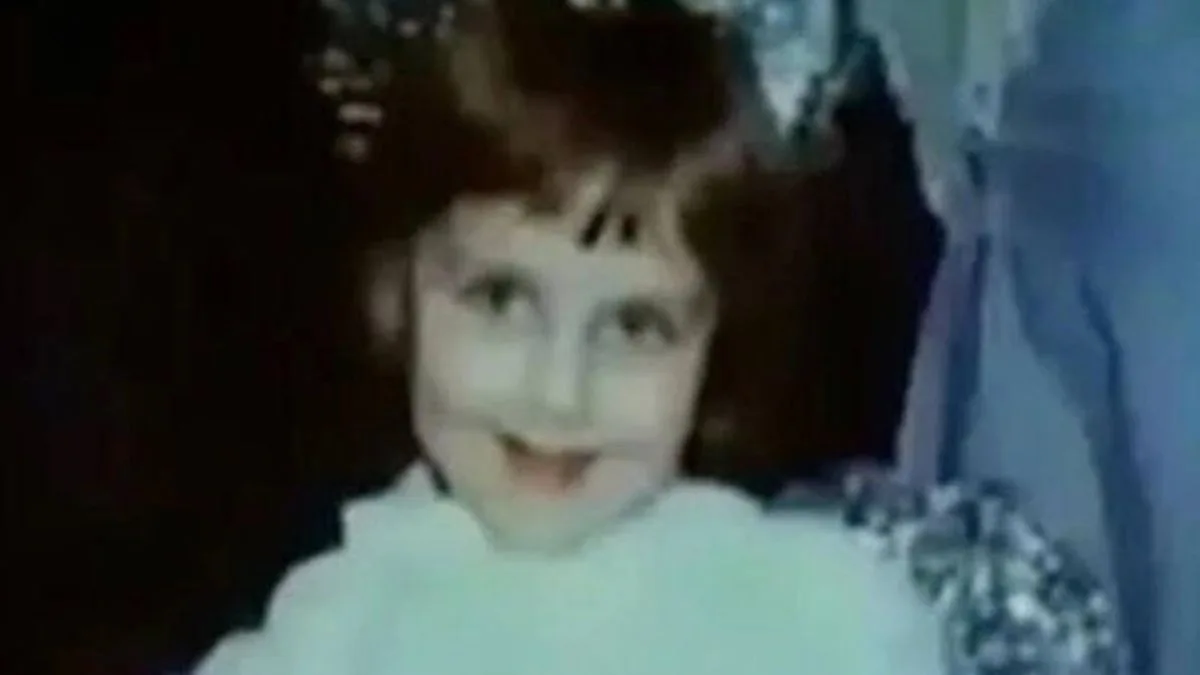
While most six-year-old girls dream of ponies and glittery bicycles, Beth Thomas harboured much darker fantasies. In chilling scenes from the 1990 documentary Child of Rage, the young girl matter-of-factly described her desire to murder her adoptive parents and baby brother.
Beth recalled torturing animals, killing nestfuls of baby birds, and repeatedly smashing her younger sibling's head into the concrete floor of their family basement. Her behaviour became so concerning that her adoptive parents, Tim and Julie Tennent, began locking her in her room at night to protect Jonathan, her brother.
A Life Born from Trauma
Beth wasn't born evil - she was created by horrific abuse. Before she could even walk, Beth suffered emotional and sexual abuse at the hands of her biological father. Her mother had died from kidney failure shortly after Jonathan's birth, leaving the children in the care of their alcoholic father.
When child services rescued them, Jonathan was surrounded by bottles of curdled milk and had a deformed head from being left lying in a soiled cot for extended periods. The Tennents adopted both children in February 1984 when Beth was 19 months old and Jonathan just seven months, completely unaware of the horrors they had endured.
The trauma began manifesting years later through nightmares and disturbing behaviours. Mrs Tennent described Beth having nightmares about "a man who was falling on her and hurting her with a part of himself". The young girl would also brutalise her own private parts until they bled.
The Descent into Violence
Beth's aggression towards animals and her brother escalated alarmingly. The Tennents discovered she had been sneaking into Jonathan's room before they woke up, repeatedly punching him in the stomach. She also stuck pins in family pets and stole knives from the kitchen.
"They had been gone several weeks," Mrs Tennent recalled about the missing knives. "Beth was sitting at the table drawing, and mentioned to me, 'what do those knives look like? That are gone?'" When Beth described the missing cutlery with a malicious smile, her adoptive mother knew she had taken them.
In the documentary, Beth admitted to a psychiatrist that she wanted to use the knives "to kill John and mommy with them, and daddy". The family resorted to tying her door shut at night as a last resort to protect Jonathan.
Understanding Reactive Attachment Disorder
Clinical psychologist Ken Magid diagnosed Beth with Reactive Attachment Disorder (RAD), a condition resulting from severe trauma during formative years that prevents the development of conscience, love, or trust.
In a 2016 interview, Beth explained how attachment theory works: "When a baby has a need, they cry. If that cry is not taken care of right away, it becomes rage because they're so helpless and hopeless." She described how children with attachment disorders desperately try to control situations to feel safe, having learned that adults cannot be trusted.
The Road to Recovery
Beth's turning point came when she was sent to stay with child trauma specialist Nancy Thomas, who eventually adopted her when she was 15. Nancy's strict approach involved "complete control because a child who is unattached does not trust, and because they don't trust, they don't allow anybody to be boss of them".
Everything was monitored - Beth had to ask permission to get a drink of water, use the bathroom, or leave someone's sight. This structured environment, combined with intensive therapy, helped reset Beth's attachment patterns.
From Victim to Healer
Today, Beth Thomas has transformed her life completely. She works as a registered nurse in neonatal units and received a Nurse of the Year award in 2010. She and Nancy have co-authored a book, Dandelion On My Pillow, Butcher Knife Beneath, and run services helping other troubled children.
Reflecting on her journey, Beth stated: "It took a lot of hard work to get where I am today... It's not your past that defines you, it's what you choose to do with your future that matters." Her story stands as a powerful testament to the possibility of healing from even the most severe childhood trauma.




