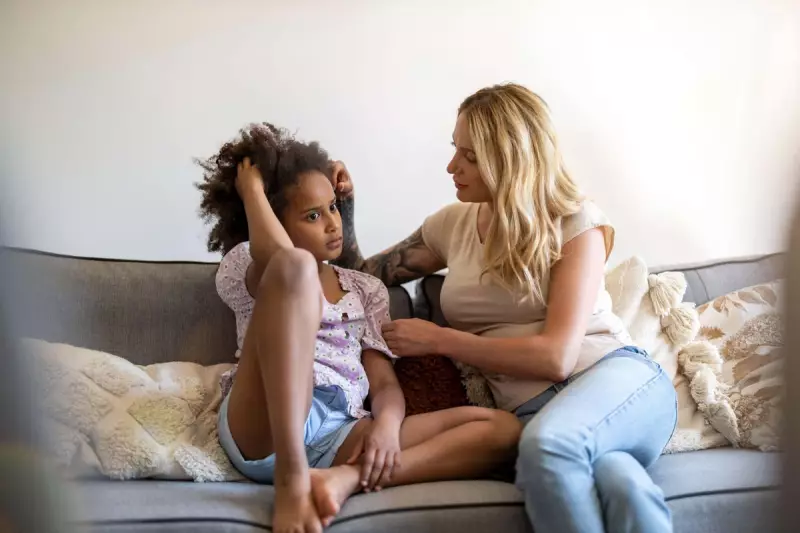
Expert Guidance for Parents During Children's Mental Health Week
Navigating childhood in contemporary society presents significant challenges, with young people often facing emotional pressures that can be more intense than those experienced by adults. Recent NHS data reveals that one in five children and young people aged eight to twenty-five now has a probable mental health condition, a statistic that has increased notably since 2017, particularly among seventeen to nineteen-year-olds.
Compounding this concern, emergency mental healthcare referrals for children and young people rose by ten percent between 2023 and 2024. The mental health charity YoungMinds emphasises that many young individuals wait months or even years for NHS support, highlighting a critical need for early parental intervention.
As Children's Mental Health Week approaches from February 9th to 15th, experts provide essential advice on how parents can create openings for meaningful conversations with their children about emotional wellbeing.

Creating the Right Environment for Dialogue
Dr Rebecca Kirkbride, clinical director at children's mental health charity Place2Be, which coordinates Children's Mental Health Week, stresses the importance of timing and setting. "Parents should consider when their child feels most comfortable opening up," she advises. "Most children dislike feeling interrogated. Creating a safe space, perhaps while watching television together or playing a game, can allow conversations to flow naturally."
Stevie Goulding, services manager for parent and carer services at YoungMinds, notes that young people today contend with multiple pressures affecting their mental health, including academic stress, relationship issues, and navigating the complexities of the online world and social media.
"They are adapting to numerous changes as they develop, which can lead to raw emotional expressions and rapid mood shifts," Goulding explains. "For parents, recognising when to be concerned can be challenging. Initiating discussions about mental health is difficult, and children may initially struggle to share their feelings."

Eight Practical Conversation Strategies for Parents
- Begin with General Questions
Goulding recommends starting with open-ended inquiries such as 'How are you feeling?' or 'What was the best and worst part of your day?' If aware of specific issues, parents can ask directly: 'Do you want to discuss what's happening?' or 'What do you need from me right now?' - Share Enjoyable Activities
Engaging in mutual interests like walking, baking, gardening, or drawing together creates relaxed environments conducive to conversation. "Starting with a shared activity helps establish comfort," Goulding notes. - Embrace Comfortable Silences
Instead of filling every moment with talk, allow pauses. "Silence can create space for children to share what's on their minds," Goulding suggests. - Utilise Digital Communication for Older Children
Teenagers may prefer initial contact via email or text. Goulding advises: "Let them know you're concerned and available. Digital messages can be effective if that's their preferred communication style." - Seek Their Perspectives
Asking children what they believe would help them can be valuable. "Young people often have insightful ideas about solving their own problems," Goulding observes. - Demonstrate Genuine Interest
Dr Kirkbride emphasises authentic engagement: "Express curiosity by saying, 'I would love to hear about your day' or 'I want to understand what you're experiencing.' Make it clear you care without applying pressure." - Maintain a Positive Approach
Offer encouragement and reassurance. Goulding recommends: "Affirm your love and availability, while accepting if they prefer speaking to someone else. Listen without judgement and acknowledge their courage in opening up." - Practice Empathetic Understanding
Dr Kirkbride highlights empathy's importance: "Use empathetic statements like, 'I wonder if you're finding this difficult to discuss—I understand.' Explain that you'll check in periodically without pressure, showing you consider the conversation important while respecting their pace."
Recognising When Professional Support Is Needed
Goulding underscores that consistent behavioural changes, alterations in sleeping or eating patterns, or prolonged distress warrant serious attention. "If professional support seems necessary, consulting your GP and school, and exploring counselling or therapy options, are constructive first steps," she advises.
She concludes: "Sometimes children simply need to know you're present and comprehend their feelings. Remind them of your love and pride." YoungMinds operates a free parents' helpline at 0808 802 5544 for additional guidance.