
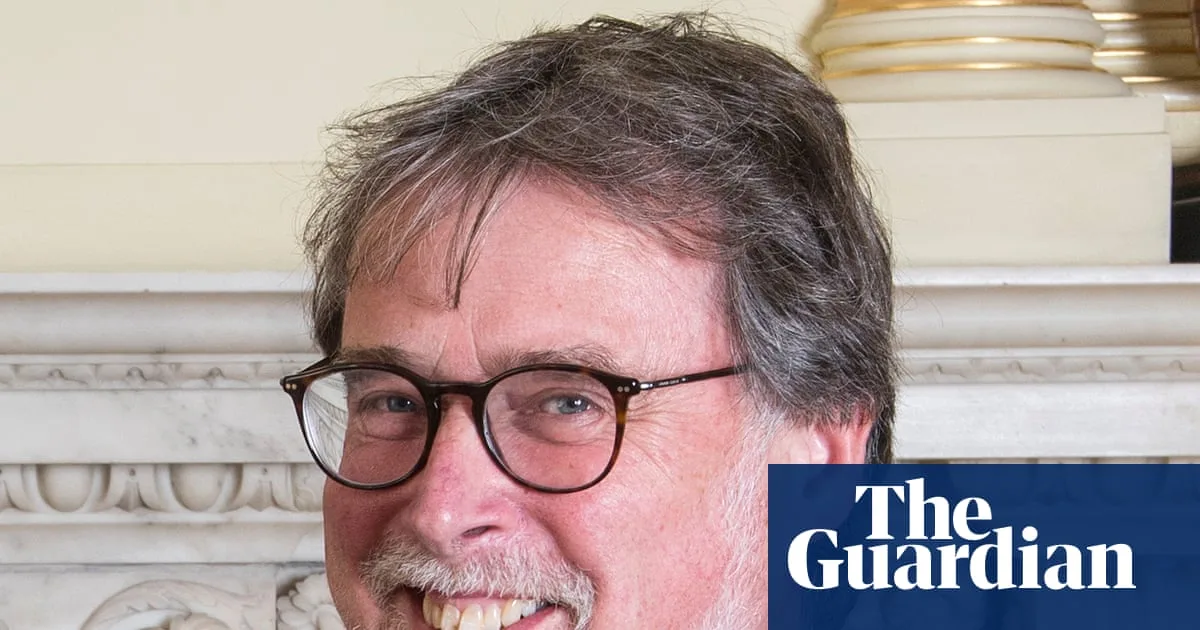
Cheshire police and the Crown Prosecution Service (CPS) have confirmed that they were not informed by Professor Peter Hindmarsh, a key expert witness in the Lucy Letby trial, that he was under investigation over serious concerns in his medical work before he gave evidence. Hindmarsh provided crucial testimony in the prosecution's case that Letby attempted to murder two babies by injecting insulin into their fluid bags.
An investigation by University College London Hospitals NHS Trust (UCLH), involving Great Ormond Street Hospital, was under way into multiple allegations against Hindmarsh, including claims he harmed patients. His contract was terminated by UCLH in July 2022, four months before he first appeared as a witness on 25 November 2022. Cheshire police confirmed Hindmarsh did not disclose this termination, nor the investigation.
Rules governing criminal cases require expert witnesses to disclose anything that might undermine their opinion or credibility. Senior lawyers have argued that such investigations should be disclosed. Glyn Maddocks KC stated that to maintain transparency, the expert should have revealed the probe. Tim Green KC added that an internal investigation by an employer, particularly with an adverse conclusion, should be disclosed to instructing lawyers.
Hindmarsh was one of eight prosecution experts. Letby was convicted of murdering seven babies and attempting to murder seven others at the Countess of Chester Hospital. The insulin cases were pivotal, with unanimous jury verdicts. Letby maintains her innocence, and an application to the Criminal Cases Review Commission (CCRC) argues the convictions are unsafe, supported by reports from 27 experts challenging the medical evidence.
The CCRC is reviewing the application, which includes a panel led by Dr Shoo Lee, suggesting the babies died from natural causes and poor care, with no evidence of deliberate harm.




