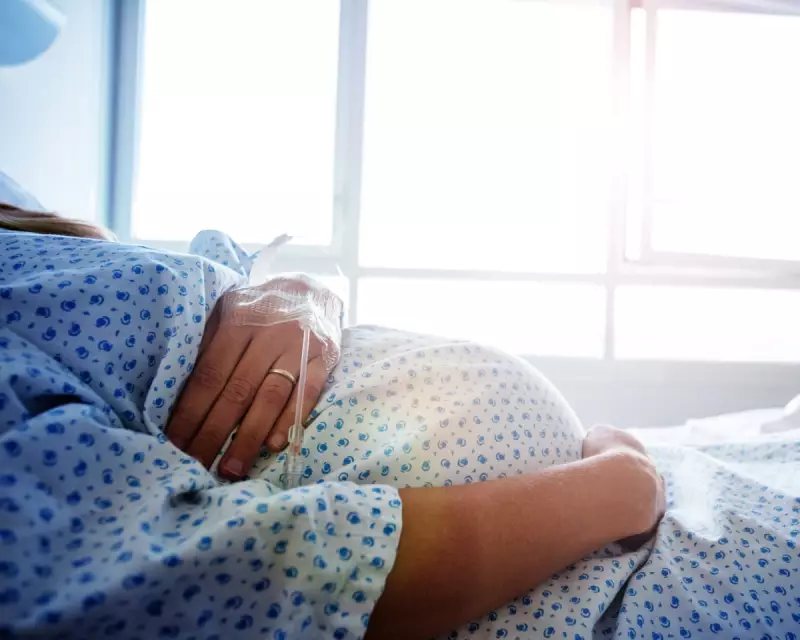
For the first time on record, the number of babies born via caesarean section in England has exceeded those born through natural vaginal delivery, according to newly released NHS data. This historic shift marks a significant turning point in maternity care trends and raises important questions about the factors driving the change.
A Historic Reversal in Birth Trends
The provisional figures from NHS England for the 2024-25 financial year show that caesarean sections accounted for 50.1% of all births. This narrow majority represents a complete reversal from just a decade ago, when vaginal births made up nearly 60% of deliveries. The data indicates a steady, long-term climb in the caesarean rate, which has now culminated in this milestone.
Experts point to a confluence of factors behind the rise. These include an increase in maternal age, higher rates of obesity among pregnant women, and a growing number of multiple births, often associated with fertility treatments. Furthermore, there is evidence of a post-pandemic "backlog" effect, with some complex pregnancies delayed during the COVID-19 crisis now coming to term, potentially requiring surgical intervention.

Regional Variations and Clinical Decisions
The data reveals stark regional disparities across England. The caesarean rate was highest in London at 56.4%, while the north-east had the lowest rate at 44.7%. This variation suggests that clinical practice, access to services, and patient demographics differ significantly depending on location.
Medical professionals emphasise that the rise is not solely due to maternal request for elective procedures. A substantial portion of the increase is attributed to emergency caesareans, which are performed when the health of the mother or baby is at risk during labour. Advances in fetal monitoring mean potential complications are detected earlier, often leading to a surgical delivery for safety.
"The decision to perform a caesarean is never taken lightly," said one senior obstetrician. "We are seeing more women with complex health needs, and the priority is always a safe outcome for both mother and child. This data reflects that clinical reality."
Implications for the NHS and Future Maternity Care
This trend has substantial implications for the National Health Service. Caesarean sections are major abdominal surgeries that require more theatre time, longer hospital stays, and greater post-operative care compared to uncomplicated vaginal births. The shift therefore places additional pressure on already stretched maternity and surgical units.
Health leaders and charities have reacted with concern, urging a focus on supporting normal birth where clinically appropriate. They stress the importance of providing continuity of midwifery care, which is linked to better outcomes and lower intervention rates. The Royal College of Midwives has called for increased investment in midwifery staff to ensure women receive the personalised support needed throughout their pregnancy and labour.
Looking ahead, the data prompts a national conversation about the future of maternity services. While caesareans are a vital, life-saving tool, the goal remains to ensure every woman has access to the right type of care for her individual circumstances. Monitoring this trend and addressing the underlying causes—from public health to staffing levels—will be crucial for the NHS in the years to come.