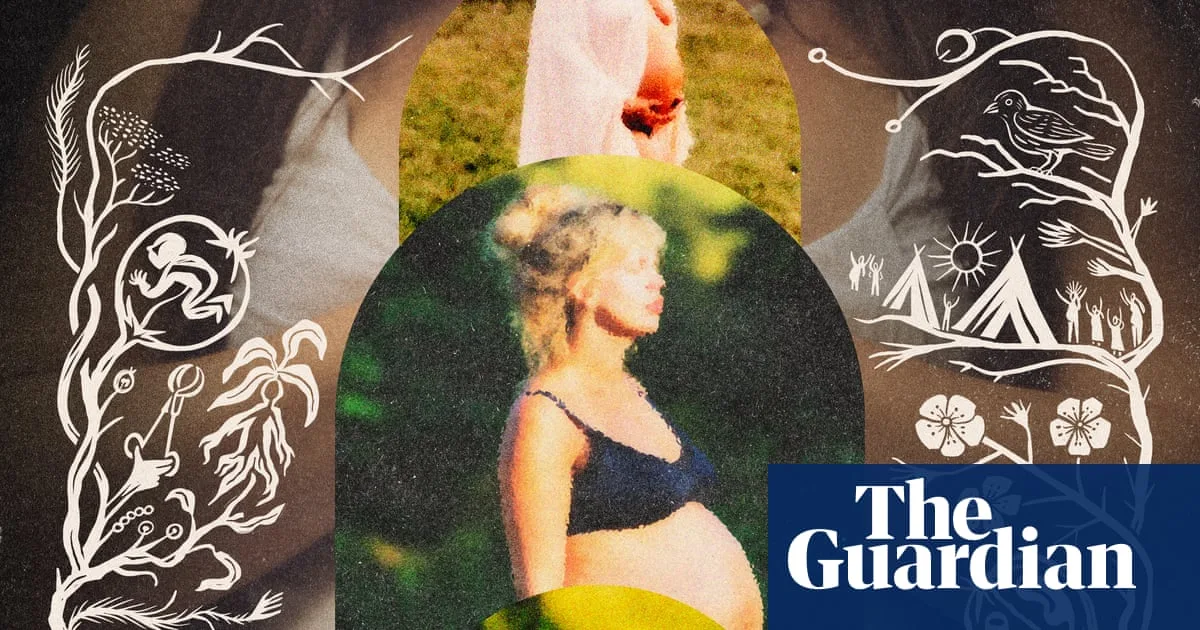
A major investigation into online 'birth influencers' has exposed dozens of cases of serious harm, raising urgent questions about the regulation of health advice on social media and the state of mainstream maternity services.
Investigation Uncovers Dozens of Tragedies
The Guardian's probe into the Free Birth Society (FBS), a business offering membership and guidance to expectant mothers, has identified 48 cases of late-term stillbirths or other grave outcomes for mothers or birth attendants connected to the group. While based in North Carolina, the FBS's reach is global. In the UK, the NHS has only recently taken down a webpage that linked to a charity factsheet recommending the organisation's materials.
Choosing to give birth without medical assistance, known as 'free birth', is legal in nations including the UK and the United States. However, Professor Soo Downe, a midwifery expert at the University of Lancashire, states that 'across whole populations, going through labour and birth without professional support is associated with higher levels of risk for mother and baby.' The precise risks remain poorly understood due to a significant lack of data.
A Crisis of Trust and a Broken System
The attraction to alternative methods often stems from deep-seated issues within established healthcare systems. Many women interviewed for the investigation had previously endured traumatic births. In England, a damning report recently found two-thirds of NHS maternity units unsafe or requiring improvement. In the US, the high cost of childbirth places a heavy burden on individuals and insurers.
This legitimate distrust has created fertile ground for online influencers promoting unorthodox, DIY approaches to health. The phenomenon echoes the pandemic, where parts of the 'wellness' industry spread vaccine misinformation. The FBS investigation reveals an enterprise that trains women as social media influencers alongside 'birth keepers', while explicitly not claiming to be a qualified medical provider.
The Algorithmic Amplification of Risk
We cannot return to an era where medical authority went unchallenged, and the accessibility of scientific research online has empowered many. Yet, this new landscape demands robust safeguards against dangerous advice. It is widely recognised that the algorithms powering social media platforms actively reward more extreme content, potentially pushing vulnerable individuals towards risky practices.
Experts argue that solutions must be twofold. Firstly, improvements to NHS maternity services are desperately needed, including better support for home births and comprehensive data to aid informed choice. Secondly, governments and international bodies like the World Health Organization must develop strategies to protect the online information ecosystem, ensuring evidence-based healthcare is not systematically undermined by viral misinformation.




