
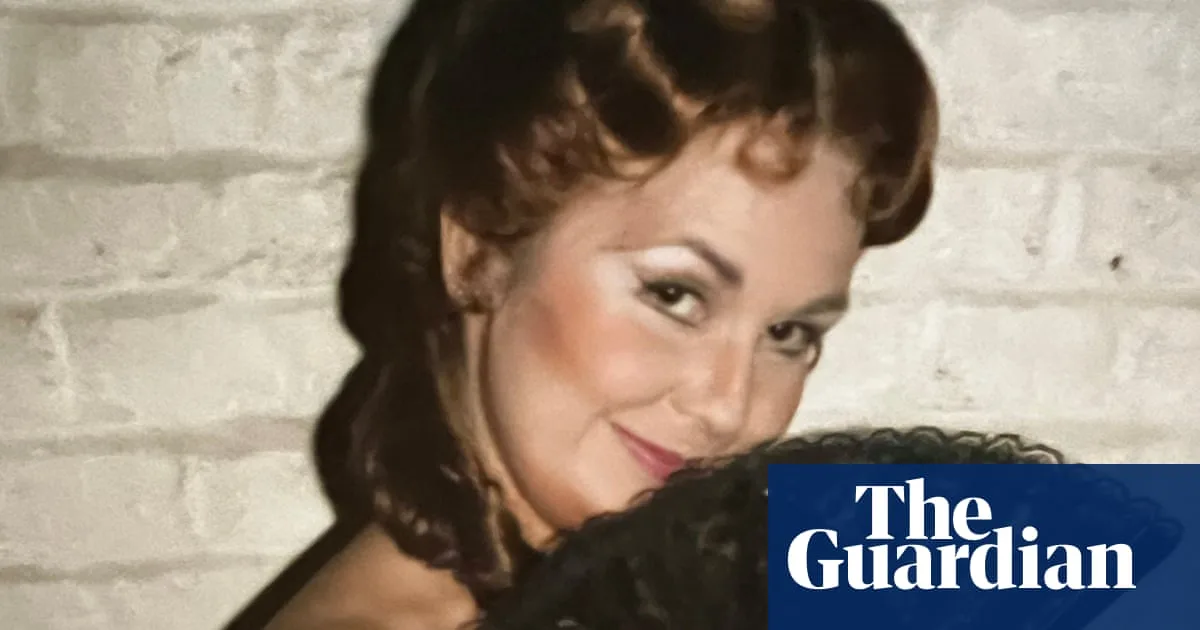
An opera singer who concealed her deafness for more than three decades has described the 'life-changing' impact of double cochlear implant surgery. Janine Roebuck, 72, from London, underwent the procedure to restore her hearing as part of a nationwide trial that could become standard for thousands of NHS patients.
Under current National Institute for Health and Care Excellence (Nice) guidelines, most deaf adults are eligible for only one cochlear implant, based on cost-effectiveness analysis. However, the National Institute for Health and Care Research (NIHR) is funding a study led by Addenbrooke's Hospital and the University of Cambridge to evaluate the benefits of bilateral implants for adults.
Roebuck, who has sensorineural hearing loss—an inherited condition affecting about 70% of genetic hearing loss cases—had one implant fitted on the NHS in 2019 but paid privately for the second. She said having two implants is 'light years away from just one', providing fuller, clearer sound and making it easier to locate sounds, especially in busy environments.
She added: 'With bilateral implants, I no longer consider myself to be deaf. They have been utterly life-changing and, for me, have broken a generational curse.' The surgery, she said, has reconnected her to the world and alleviated the isolation and fatigue caused by her hearing loss.
The trial, involving 14 hospitals and more than 250 adults who became deaf later in life, will compare outcomes for those receiving one versus two implants. Matthew Smith, an ear, nose and throat surgeon at Addenbrooke's, said the study aims to offer adults the same transformative benefits already seen in children with bilateral implants.




