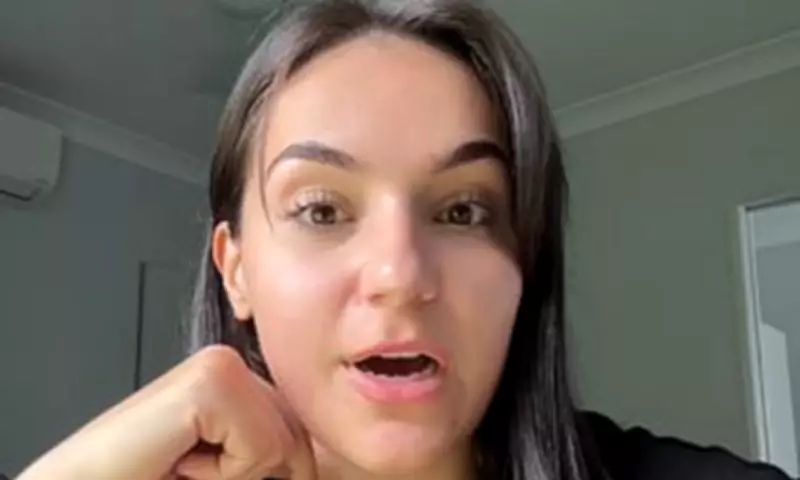
A young woman has recounted how her relentless itching, initially dismissed by doctors as dry skin, ultimately led to a devastating Hodgkin lymphoma diagnosis. Sumbul Ari, 26, from Cairns, Australia, endured seven months of sleepless nights due to an intense crawling sensation on her skin, describing it as 'itching herself to death' every evening.
Misdiagnosis and Delayed Treatment
Despite repeatedly raising concerns, Ms Ari claims that medical professionals attributed her symptoms to 'dry skin' and advised her to use moisturising creams. Her ordeal began in April last year with 'uncontrollable itching' that 'got worse at night' and 'would keep me up for hours'. She stated: 'I would scratch myself with sharp objects, and no medication, cream or antihistamines would help. Doctors put it down to dry skin, scabies, eczema.'
As additional symptoms emerged—including night sweats, chronic fatigue, and loss of appetite—Ms Ari suspected a more serious underlying condition. The discovery of a lump on the back of her neck confirmed her worst fears. 'I randomly touched my neck and felt a lump. When I did my Google search, the symptoms came up – itchy skin, fatigue, night sweats. I knew instantly I had cancer,' she recalled.

Understanding Hodgkin Lymphoma
Her symptoms aligned with Hodgkin lymphoma, a rare cancer affecting white blood cells. In the UK, approximately 2,200 people are diagnosed annually, accounting for roughly 1 per cent of all cancer cases. Globally, the figure stands at just under 83,000 cases per year, according to the World Health Organisation. Notable cases include actor Michael C. Hall, who was diagnosed at age 38 while filming Dexter.
Hodgkin lymphoma is most commonly diagnosed in adults aged 20 to 24 and 75 to 79. Upon recognising her symptoms matched the disease, Ms Ari booked another appointment and pleaded for an ultrasound scan, listing the conditions she had already been treated for.
Official Symptoms and Diagnosis
Official NHS guidance lists itchy skin alongside painless lumps or swelling in the neck, armpit, or groin as common symptoms. Other warning signs include pain in those areas after drinking alcohol, high temperatures, night sweats, shortness of breath, and sudden weight loss. On March 17—almost a year after her first symptom—Ms Ari received an official diagnosis from a haematologist.
'After I received my ultrasound result, which confirmed multiple enlarged lymph nodes in the neck, the doctor urged me to go to the hospital. A CT scan was done and doctors at the hospital confirmed more enlarged lymph nodes across my chest and neck. They said they highly suspect lymphoma, so I had a biopsy and PET scan done the following week and got my official diagnosis on 17 March,' she said.
Treatment and Advocacy
Ms Ari's cancer was found between stage two and stage three, with enlarged lymph nodes in her neck and chest, and spread to her spleen. She has completed one round of chemotherapy and has five more to go. She expressed relief that someone 'finally' listened to her. 'For seven months, I woke up every single night to itch myself to death. If you know there is something wrong with you, please do not stop advocating for yourself,' she urged.