
A Devastating Delay in Diagnosis
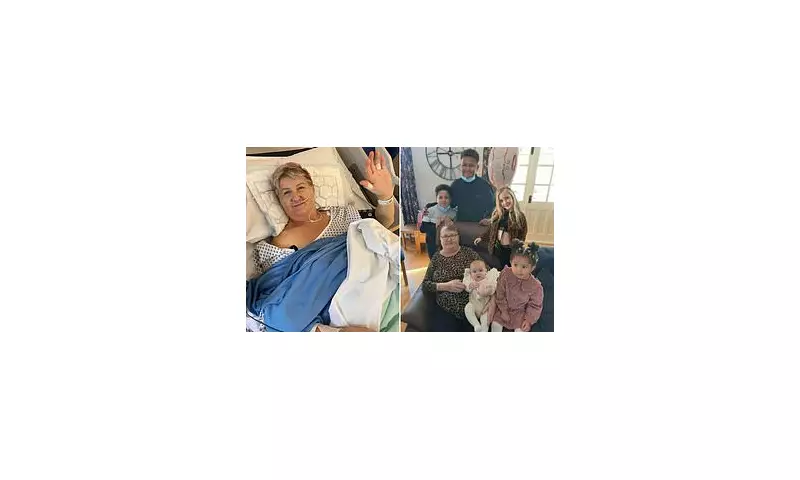
A Lincoln grandmother who visited her GP complaining of dizziness and tiredness was prescribed antidepressants, only to be diagnosed with a terminal brain tumour six months later. Pamela Cook, aged 65, passed away on March 24, 2024, just five months after surgeons discovered an aggressive glioblastoma.
Her daughter, Clair Bowkett, 42, explained that her mother first felt unwell after attending her wedding in March 2023. "She began feeling 'dizzy and tired'," Ms Bowkett said. "But when she went to the doctors, they told her it was depression and gave her antidepressants." Even when Pamela's condition worsened and she returned, she was advised to continue taking the medication.
The Fight Against a 'Cruel' Disease
It was not until Pamela was taken to A&E at Lincoln County Hospital for an MRI scan that the tumour was found. By then, her daughter believes, it was tragically too late for a different outcome. In November 2023, surgeons at Queen's Medical Centre in Nottingham operated to remove much of the growth.
Pamela then endured six weeks of gruelling chemotherapy and radiotherapy. However, she grew weak, developed infections, and by February 2024, scans confirmed the tumour had returned. "Glioblastoma is such a cruel and invasive disease," Ms Bowkett said. "It strips a person of everything: their movement, speech and independence, piece by piece."
She remembered her mother as "full of life, funny and the soul of every party," a devoted wife, mother of three, and grandmother to five. "She worked hard all her life and never got to enjoy the retirement she deserved," Ms Bowkett added.
Turning Grief into Action for Research
Determined to honour her mother's memory, Clair Bowkett, alongside her sisters Nicola and Lauren and other family members, is now taking part in Brain Tumour Research's '99 Miles in November' challenge. They aim to raise funds for the charity's new Centre of Excellence in Nottingham, set to launch in 2026, which will focus on glioblastoma research.
"Hearing about the new Nottingham Centre has given me real hope," Ms Bowkett stated. "The centre will focus on glioblastoma, the same type mum had, and aims to find ways to detect when a tumour is returning sooner. If research like this had been available when mum was diagnosed, things might have been different."
Ashley McWilliams, community development manager at Brain Tumour Research, praised the family's efforts. "Clair's strength and determination to share her mum's story are truly inspiring," she said. "Her experience highlights the need for more investment into researching tumours so that fewer families have to face the heartbreak she has endured."
Glioblastoma is one of the most aggressive forms of brain cancer, with an average survival time of 12 to 18 months. Symptoms can include headaches, seizures, nausea, memory issues, and personality changes, underscoring the critical need for timely and accurate diagnosis.




