








Entertainment

Josh Widdicombe Confirmed as New Strictly Host Alongside Emma Willis and Johannes Radebe
Josh Widdicombe has been confirmed as the new Strictly Come Dancing host, joining Emma Willis and Johannes Radebe. The comedian impressed bosses with his wit.





Politics

Steve Bannon Calls for Removal of Senate Majority Leader John Thune
Steve Bannon calls for Senate Republicans to oust Majority Leader John Thune, citing failure to advance Trump's SAVE Act and treating Trump as a lame duck.



Sports

Carragher Slams Mac Allister's 'Embarrassing' Dive Against Villa's Konsa
Jamie Carragher criticised Alexis Mac Allister for an 'embarrassing' attempt to get Ezri Konsa sent off during Liverpool's 3-1 defeat to Aston Villa in the Premier League.



Crime

Starmer Vows Tough Justice as £4.5m Policing Operation Targets Hate Protests
PM warns of 'fight for soul of country' as 4,000 police deploy for rival rallies, with new hate speech prosecutions and foreign agitators blocked.







Health



Weather
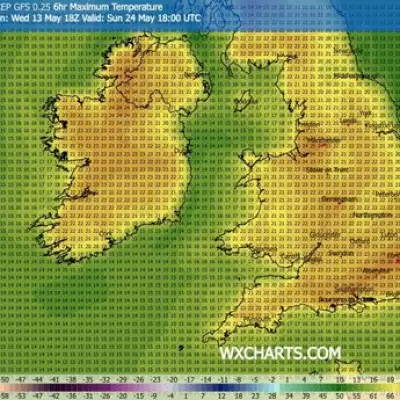
13 UK Cities to Hit 24C on Bank Holiday Weekend
Weather maps show 13 UK cities expected to reach 24C over the May bank holiday weekend, with some areas potentially hitting 25C, according to forecasters.
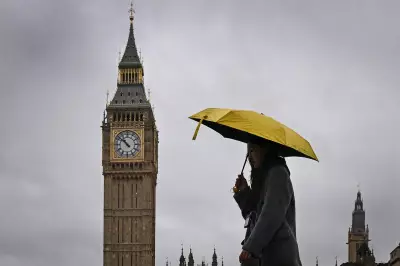
Showers Expected for London Protests and FA Cup Final
London faces showery bursts during protests and FA Cup final, while UK sees mixed weather with highs of 17C. Bank holiday may bring warmer conditions.
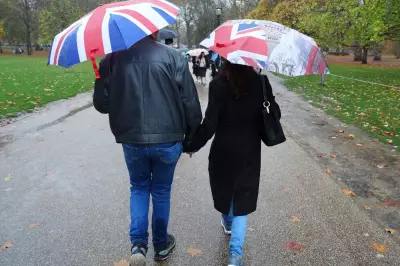
Sunshine and Showers as Thousands Head to London
UK weather forecast: sunshine and showers this weekend as thousands head to London for protests and FA Cup final. Temperatures reach mid-teens.
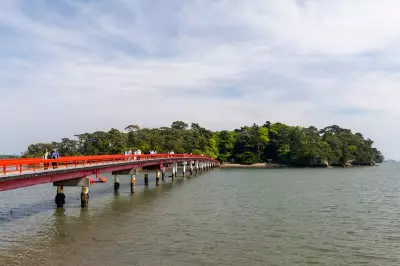
Japan Earthquake: Travel Safety Advice After 6.7 Quake
A 6.7 magnitude earthquake struck off Japan's Miyagi coast. The FCDO advises following local authorities. No tsunami warning issued.

6.7-Magnitude Earthquake Hits Japan, No Tsunami Risk
A 6.7-magnitude earthquake struck off Japan's Miyagi region, prompting warnings in five prefectures. No tsunami risk was reported.
British Isles Geography: Thursday Challenge
Thursday means geography challenge time! Test your knowledge of the British Isles with questions about landscapes, cities, rivers, and famous landmarks.
