The Extraordinary Lives of Superagers: Defying Age with Vitality
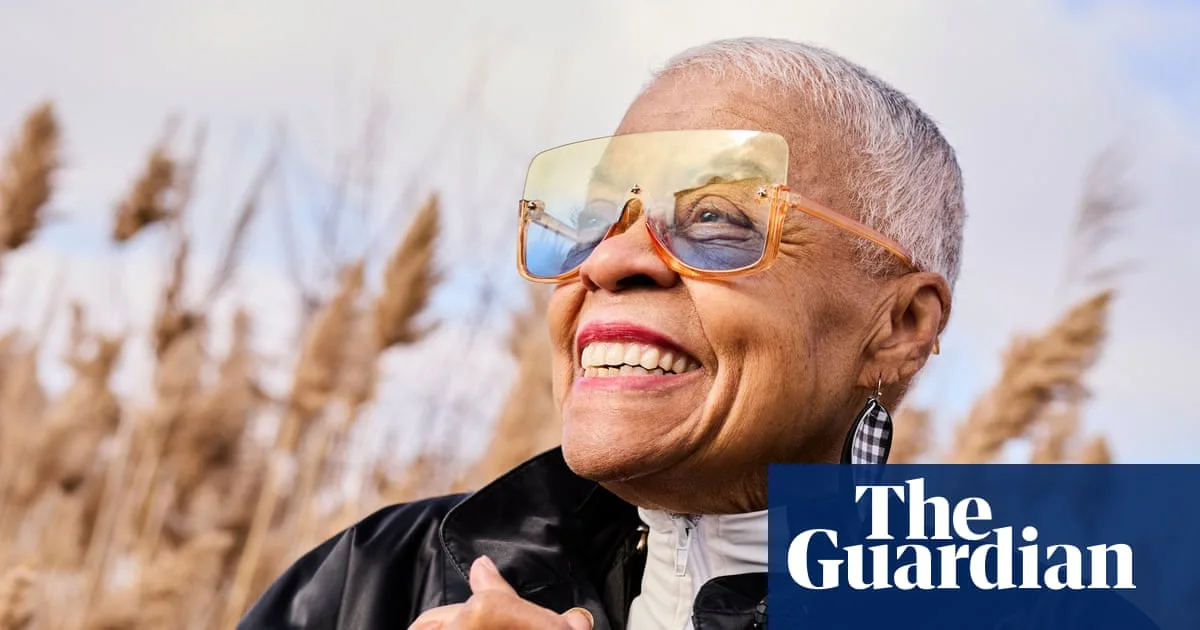
Lajuana Weathers begins each morning with a profound sense of gratitude. At 89 years old, this Illinois resident starts her day with celery juice, focuses on increasing her step count, and maintains a daily meditation practice. "I wake up in the morning and feel blessed that I have another chance at a day of life," says the grandmother of six and great-grandmother of six more. "I look at my life as a holistic entity, and in that life is my physical, social, emotional and spiritual wellbeing. I have to take care of all of those."
The Science Behind Superagers
Weathers represents a remarkable group known as superagers - individuals over 80 who possess memory performance matching or exceeding that of average 50- to 60-year-olds. She participates in the SuperAging Research Initiative at the University of Chicago, one of approximately 400 superagers enrolled across North America in this groundbreaking study.
As life expectancy continues to increase in the UK - with boys born in 2023 expected to live to 86.7 years and girls to 90 years on average - understanding healthy ageing becomes increasingly important. The research focuses not just on lifespan but on healthspan, the period of life spent in good health.
Dr Emily Rogalski, director of the SuperAging Research Initiative, explains their comprehensive approach: "We integrate data across brain structure and function, molecular and genetic measures, lifestyle, medical history, psychosocial factors, family history and other factors to understand how these elements interact to support exceptional cognitive ageing."
Remarkable Brain Structure Discoveries
Through MRI scans, researchers have made fascinating discoveries about superagers' brains. Typically, as we age, the cortex - the brain's outer layer - shrinks, negatively affecting cognition. However, in superagers, this thinning doesn't occur. Their brains appear "indistinguishable" from those of 50- to 60-year-olds, with the anterior cingulate region (important for attention and memory) actually being thicker than in younger comparison groups.
"If this rare population has something in common, it could be translated to be beneficial to the general population," says Rogalski. "If you find a protective factor, then you say, 'How do we turn this protective factor on in the mainstream population to boost chances of living long and living well?'"
Daily Habits of Exceptional Agers
Weathers maintains a packed schedule that would challenge many younger individuals. She walks for 40 minutes each morning, adding another walk after dinner, aiming for 10,000 daily steps. She participates in occupational therapy twice weekly, attends wellness classes focusing on nutrition, and follows a largely plant-based diet with some fish and chicken. Remarkably, she takes only one medication - for blood pressure - and hopes to phase even that out.
"I concentrate on how good it is to be alive," Weathers says with characteristic positivity. "I have a 'count my blessings' attitude. I intend to be happy and I have the power to orchestrate that." She plays choral music in her apartment, sings along, and leaves encouraging notes on neighbours' doors, saying things like "Be encouraged today" and "If you need anything, I'm here."
Physical Prowess in Later Years
The superager phenomenon extends beyond cognitive health to remarkable physical achievements. Ina Koolhaas Revers, a 78-year-old powerlifting champion from Amsterdam, began CrossFit at 64 and now trains four times weekly for two-hour sessions. Research from Maastricht University revealed her quadriceps muscles were 37% larger than average for her age group, with muscle cells comparable to women in their 20s.
"I turned out to be extremely strong - much stronger than many young women aged 18 to 35 who went to the gym several times a week," Koolhaas Revers says. "To me, it was evidence that seniors can achieve far more than they imagine."
Similarly impressive is Hans Smeets, a 78-year-old Dutch runner who achieved a VO2 max of 50.5 at age 75 - placing him roughly in the 75th percentile of 20- to 29-year-old men. "The study confirmed that my training method of mostly slow endurance runs has a positive effect on the wear and tear process," Smeets explains. "I have remained virtually injury-free as a result."
The Social Connection Factor
Research consistently shows that strong social connections play a crucial role in healthy ageing. Northwestern University researchers found that superagers tend to be highly social with strong interpersonal relationships. They also discovered that superagers have more "von Economo neurons" in their brains, which are thought to be linked to social behaviour.
Ralph Rehbock, a 91-year-old superager from Illinois, maintains an active social calendar that includes managing a singing group, participating in a men's social group, and serving as first vice-president at the Illinois Holocaust Museum. "I'm always needing things," Rehbock says. "My wife says, 'You've been sitting for only one minute' and I jump up to do something."
Practical Advice for Healthy Ageing
While genetics certainly play a role, lifestyle factors emerge as crucial components of healthy ageing. Professor Eric Topol, author of "Super Agers: An Evidence-Based Approach to Longevity," spent seven years researching 1,400 "wellderly" individuals and found that "lifestyle is fundamental" with genetics playing less of a role than anticipated.
Key recommendations from experts and superagers include:
- Maintaining regular physical activity appropriate to your abilities
- Cultivating strong social connections across generations
- Engaging in continuous learning and cognitive challenges
- Following a balanced, predominantly plant-based diet
- Prioritising quality sleep and stress management
- Staying curious and open to new experiences
"Healthy ageing does not require perfection or the absence of illness," emphasises Dr Rogalski. "For individuals with health or mobility challenges, the focus should be on staying physically active within their abilities, remaining cognitively engaged and maintaining social connections. Even modest, consistent engagement - physical, cognitive or social - can be meaningful."
As Weathers beautifully summarises the superager philosophy: "My tip is to be grateful for what you have and use it for a purpose." This combination of gratitude, purpose, and consistent healthy habits appears to be at the heart of what enables some individuals to age with such remarkable vitality and cognitive sharpness.




