
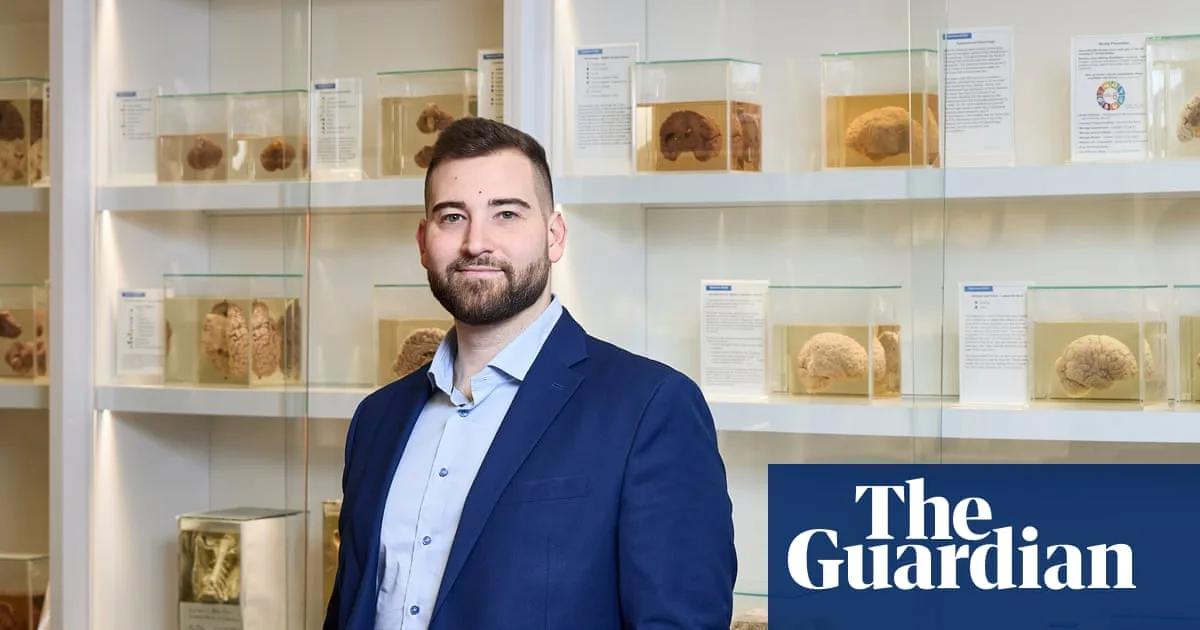
Neuroscientist Ben Rein is on a mission to show that being around others not only feels good but can also improve recovery from strokes, cancer and heart attacks. In his new book, Why Brains Need Friends: The Neuroscience of Social Connection, he explores why isolation is so damaging to our health.
Rein, who has published in peer-reviewed journals and teaches at Stanford, is also critical of the inaccurate neuroscience that circulates online. He cites a social media video claiming that reframing pain as 'neurofeedback' activates the anterior cingulate cortex, a notion he says has never been studied.
The evidence for the health benefits of social contact is stark. In one study, researchers induced identical strokes in mice and found that those living alone suffered more brain damage, were less likely to recover and more likely to die. Another study of more than 300,000 people found that those with weaker social relationships were 50% more likely to die over a seven-and-a-half-year period.
Rein explains that isolation triggers a stress response, releasing cortisol, which initially suppresses inflammation. But when isolation is prolonged, the chronic stress response can lead to a buildup of inflammation, which is harmful to the body.
With hundreds of thousands of followers on TikTok, Rein aims to communicate complex science in simple, accessible language. He hopes his book will help people understand the importance of social connection for their health and wellbeing.




