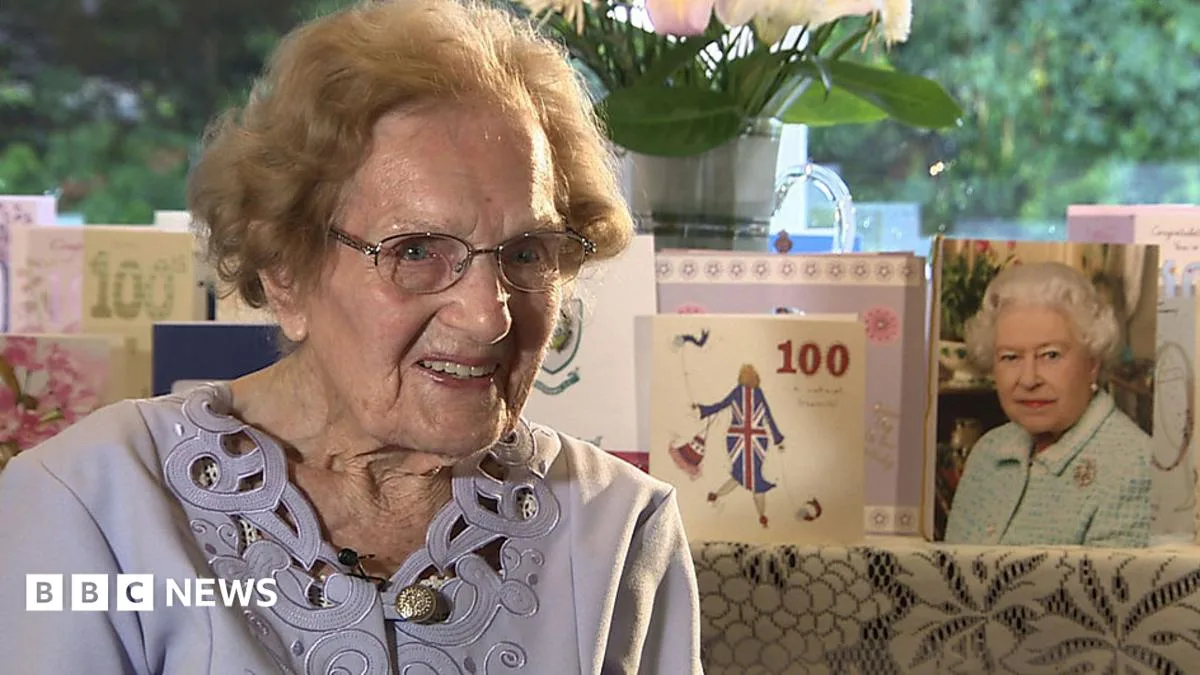
With nearly 12,000 centenarians in Britain today, the secrets to a long life are being explored through both scientific research and the experiences of those who have reached 100. Nora Hardwick, 106, a former postmistress from Lincolnshire, credits her philanthropic lifestyle for her longevity. She posed naked for a charity calendar at 102 and continues to put others first, enjoying the occasional glass of whisky.
Research suggests that altruism may reduce stress and boost the immune system, leading to a 'helper's high'. Meanwhile, studies on alcohol are mixed: while liver disease deaths are rising, some experiments on worms indicate tiny amounts might increase life expectancy. Comedian George Burns, who died at 100, famously joked about his martini habit.
Scientific advice often focuses on exercise and diet, with low-calorie diets potentially adding 25 years. However, Professor Tim Spector from King's College London says, 'The science is slightly baffled by this, we still don't really understand what makes a centenarian because all of them are unique.'

Alice Herz-Sommer, 108, a Holocaust survivor and pianist, attributes her long life to optimism. 'My twin sister was a terrible pessimist, she died when she was not yet 70 because she never laughed,' she says. Spector's research on epigenetics suggests that positive attitudes can influence genetic expression, with mildly optimistic people tending to live longer.