Late Bloomers Challenge Ageing Stereotypes in New Book on Meaningful Elder Years
Late Bloomers Rewrite Ageing Script in New Book on Elder Years

Late Bloomers Challenge Ageing Stereotypes in New Book on Meaningful Elder Years

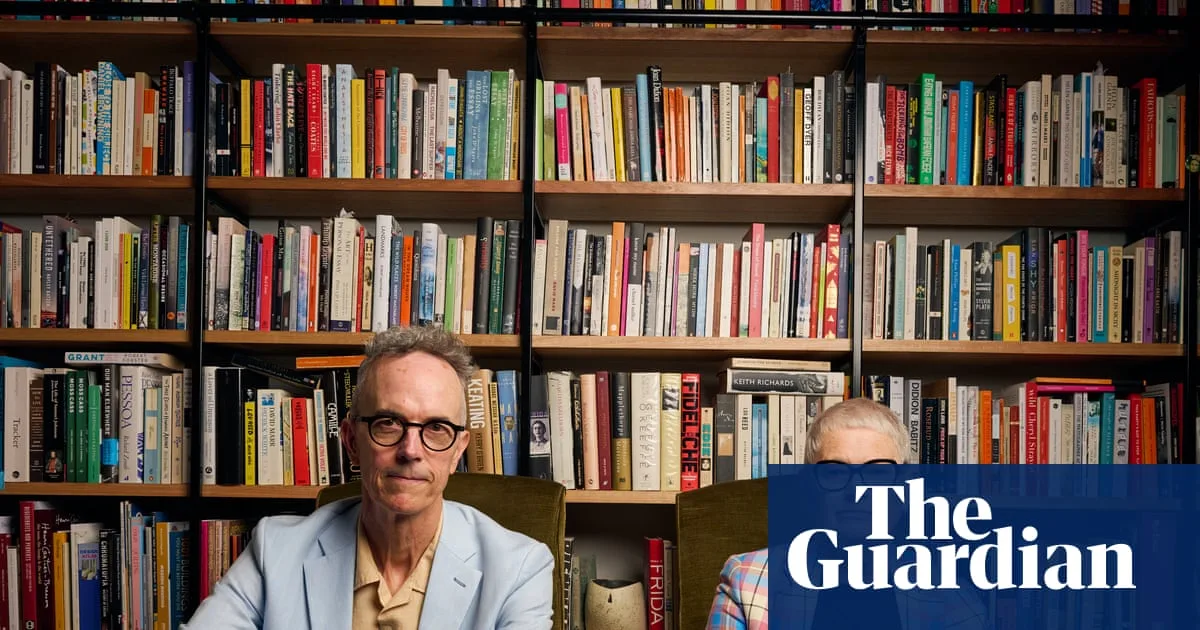
Writers Peta Murray and David Carlin have embarked on a profound exploration of how to live meaningfully into the elder years, rejecting societal stereotypes and embracing creativity. Their new book, How to Dress for Old Age, delves into the emotional labour of caring for ageing parents while confronting their own advancing age with determination and flair.

A Failed Matchmaking Attempt Sparks Deeper Reflection

The project began with a seemingly simple plan: Murray and Carlin aimed to introduce their elderly parents, Frank and Joan, who resided at the same aged care facility. Both parents shared a love for reading, and the writers fantasised about potential friendship or even romance, envisioning shared games of bridge or Scrabble. However, this fantasy quickly dissolved when Frank and Joan ignored each other upon meeting, with Frank retreating to his room.

This experience highlighted the often unrealistic portrayals in aged care marketing, designed to alleviate family guilt. Instead of dwelling on this disappointment, Murray and Carlin turned their focus inward, questioning how they could shape their own ageing process differently. The sudden loss of a colleague, Adrian, to a heart attack at age 58 further sharpened their resolve to live fully and meaningfully.

Rewriting the Scripts for Ageing

In How to Dress for Old Age, the pair navigate complex questions about identity, purpose, and escaping the long shadows of their parents' ageing experiences. They challenge the notion that retirement must equate to withdrawal or diminishment, advocating instead for a period of flowering and creativity.

"We are endeavouring to rewrite the scripts for ageing," says Carlin, who dislikes the term "retired" due to its connotations of decline. He prefers to view his post-career life as returning to freelance writing and artistry, describing it as "a very long gig." Murray echoes this sentiment, noting that many people lose their sense of identity and meaning when they stop working, either having it taken away or surrendering it voluntarily.

Embracing Late Blooming and Inner Multitudes

Both authors consider themselves late bloomers, having entered academia later in life. Murray, now 67, completed a PhD on 'elder-flowering,' exploring how to activate the elder self through artistic expression, including dress. For her 60th birthday, she staged My Own Private Mardi Gras, dressing as alter egos Buster Loose and Wanda Lusst, symbolising her belief that ageing requires a larger wardrobe to dress one's inner multitudes.

"I think people have their primes at different times of life," Murray reflects. "Maybe for the majority it might be in youth, but there are other people who don't hit their prime until much later. I certainly don't have much to say about my adolescence or my 20s. But there have been other times that I feel have felt far more like I've arrived at something."

Contrasting Parental Examples and Personal Visions

The book draws on contrasting experiences with their parents. Carlin's mother, Joan, exemplifies active ageing; she refused to call her facility a nursing home, instead stating she moved to Melbourne to be closer to family. A lifelong doer, Joan enrolled in university courses in midlife, worked for NGOs, and founded an urban ecology eco village at age 60. Her packed schedule included book clubs, bushwalking groups, and volunteer work, demonstrating that productive life can extend decades beyond traditional retirement age.

In contrast, Murray's father, Frank, serves as a cautionary tale. After his partner's death, his interests narrowed dramatically, leading to what Murray describes as "an implosion of hope" as their conversations became limited to pleasantries and repetitive monologues. His decline into aged care prompted Murray to confront her own fears about ageing and inspired her to seek alternative models for later life.

Planning for a Creative and Connected Future

Looking ahead, both authors are actively shaping their visions for elder years. Murray, a co-founder of the GroundSwell Project which aims to improve death literacy through the arts, admits neglecting her own "death admin." Since she "forgot" to have children, she explores collective living arrangements, such as women's households with shared resources, emphasising community support.

Carlin rejects capitalist models of luxury retirement villages, instead embracing the Japanese concept of wabi-sabi, finding beauty in imperfection and ageing. He draws inspiration from secular Buddhism, noting that while society admires gnarled old trees, it often lacks the same appreciation for aged people. "I'm rejoicing in being more playful and thinking of this time of life as being time to go full on with creativity," he says.

Fashion as a Form of Self-Expression

A newfound obsession with fine suits symbolises their creative approach to ageing. Carlin enjoys ordering bespoke suits from tailors in Ho Chi Minh City, while Murray favours a suit in the colours of the trans flag. "I feel like I've never really known what I'm supposed to look like, and now I've discovered the suit and colour and fabulous eyewear," she explains, predicting she will become more flamboyant and eccentric in her clothing choices.

Through their book and personal journeys, Murray and Carlin offer a compelling alternative to conventional narratives of ageing, advocating for a future where elder years are characterised by creativity, community, and continuous growth.