Many people in their 40s, 50s and beyond begin to notice subtle shifts in their physical capabilities, feeling a bit weaker or slower than they used to. According to a leading physiotherapist, this common experience often has a specific, and manageable, cause: sarcopenia.
Understanding Age-Related Muscle Loss
Lucy Macdonald, a physiotherapist based in Surrey at Restart Physio, explains that sarcopenia is the process of muscles weakening as part of the natural ageing process. It stems from a combination of factors including hormonal changes, such as decreasing testosterone in both men and women, and crucially, a reduction in physical activity.
"A lot of people will reduce their activity levels, in part just because of general lifestyle but also sometimes because of fear of injury, and actually these things can significantly contribute to muscle wasting as well," Macdonald states. She highlights that she typically observes this condition becoming noticeable in two key life stages: the late 40s, where time is scarce due to career and family pressures, and the early 60s, around retirement, when activity levels can sharply diverge.
Spotting the Signs and Impact on Daily Life
Macdonald identifies clear warning signs that may indicate sarcopenia is setting in. "Finding it difficult to get out of a chair or to go up and down stairs easily are two key indicators," she says. If you need to use your arms to push yourself up, it's time to consider seeking professional advice.
The impact on quality of life can be significant. Everyday tasks like carrying shopping bags or playing actively with grandchildren can become challenging or even painful. Macdonald notes that muscle weakness is a major contributor to joint pain, which can severely diminish one's enjoyment of daily activities.
How to Fight Back and Build Strength
The cornerstone of preventing or slowing sarcopenia is unequivocal: strength work. "The best thing to do to slow down the progression of sarcopenia or to prevent it is strength work," Macdonald emphasises. A physiotherapist can tailor exercises to specific goals, like building the necessary power for a trip to the park with grandchildren.
Macdonald offers several practical tips for building and maintaining muscle later in life:
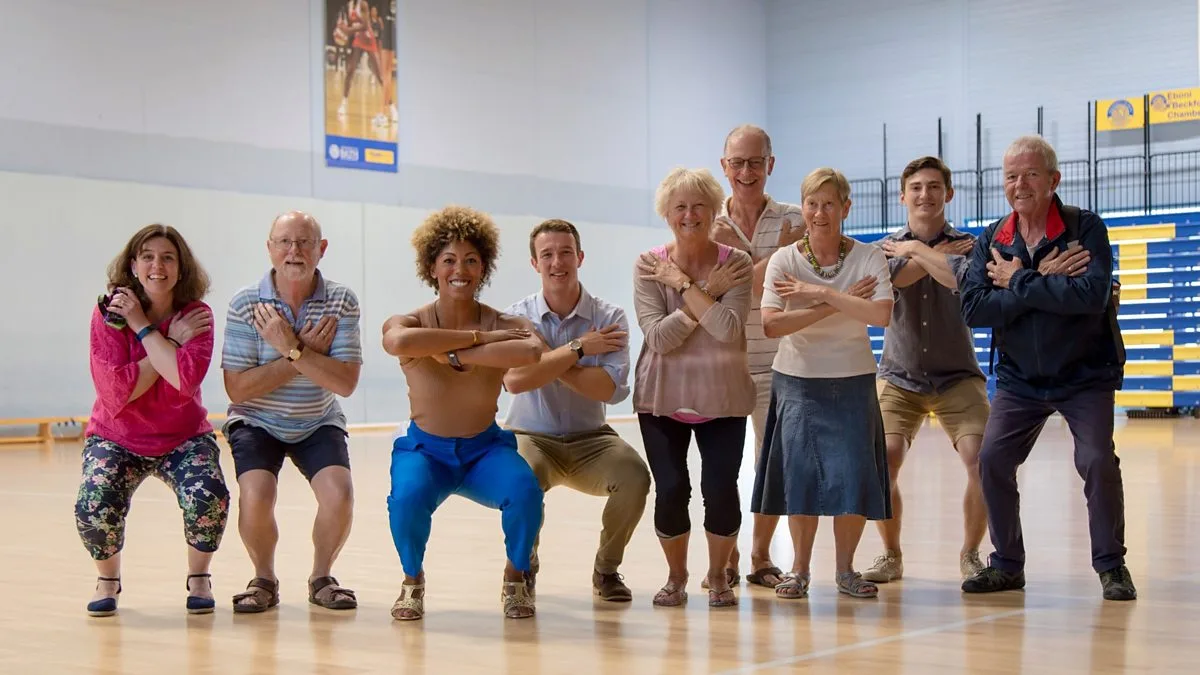
1. Try Sit-to-Stand Exercises: Start your day by sitting on the edge of your bed and standing up, then sitting back down in a controlled manner. Aim for 30 repetitions. This is a fundamental squat movement that can be progressed by adding light weights or using a lower seat, like a sofa.
2. Wall Press-Ups: A gentle introduction to upper body work. Lean your body weight against your hands on a wall and slowly bend and straighten your elbows.
3. Introduce Weights Safely: Under the guidance of a physio or personal trainer, slowly begin lifting exercises. "If you suddenly launch into doing weights, you will probably get injured," Macdonald warns. The key is to start low and increase the load gradually to avoid painful muscle tears.
4. Join a Group: Consider resistance training classes. The social and motivational aspect of a group setting makes you more likely to stick with the programme.
Above all, Macdonald advises against letting fear dictate your actions. "Try not to let fear get in the way of getting strong," she says, noting that inactivity ironically increases injury risk. She leaves us with a powerful, hopeful message: "Just because it’s harder to be strong as we get older doesn’t mean that it’s not possible... getting weaker and weaker as you age is not an inevitable thing."