
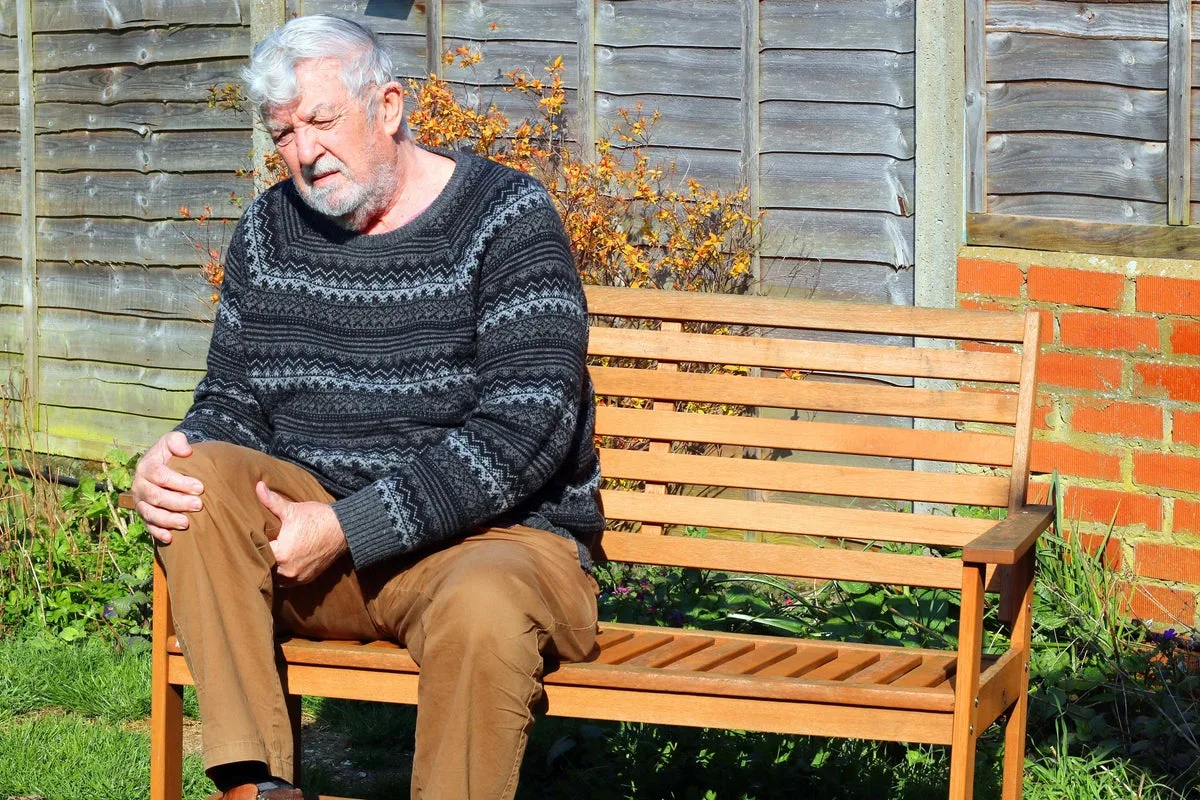
Arthritis is a common condition in the UK, particularly among those aged 60 and over. While some joint discomfort can be a normal part of ageing, persistent or worsening symptoms may indicate a more serious issue requiring medical attention. Chartered physiotherapist Justine Musiime, who specialises in rehabilitation for older adults, outlines three common types of arthritis in later life and advises on when to seek professional help.
Osteoarthritis, the most prevalent form in older people, involves the degeneration of joint cartilage. It primarily affects the knees, hips, hands, and spine. Symptoms include pain that is worse in the morning, swelling, and a crunching noise when moving the joint. According to the NHS, around 8.75 million people in the UK have consulted a doctor about osteoarthritis. Risk factors include joint injury, age, family history, and obesity.
Rheumatoid arthritis is an autoimmune condition where the immune system attacks the joints, causing inflammation. Symptoms include swollen, tender joints, morning stiffness lasting over 30 minutes, severe tiredness, and a general feeling of being unwell. It commonly affects the hands, feet, and wrists, with flare-ups that can be unpredictable. Treatment can reduce flares and prevent long-term damage.
Gout results from uric acid accumulation, leading to crystal formation around joints. It typically affects the big toe, causing swelling, pain, redness, and sometimes skin peeling. Triggers include illness with high fever, excessive alcohol, large meals, dehydration, joint injury, or certain medications.
Musiime emphasises early intervention: “If people are displaying symptoms, they should seek help as soon as possible. Arthritis isn’t curable, but professional advice can manage symptoms and slow progression.” Pain management often includes NSAIDs like ibuprofen, but patients should consult their GP. Low-impact exercises such as swimming and walking are recommended to reduce joint pressure.




