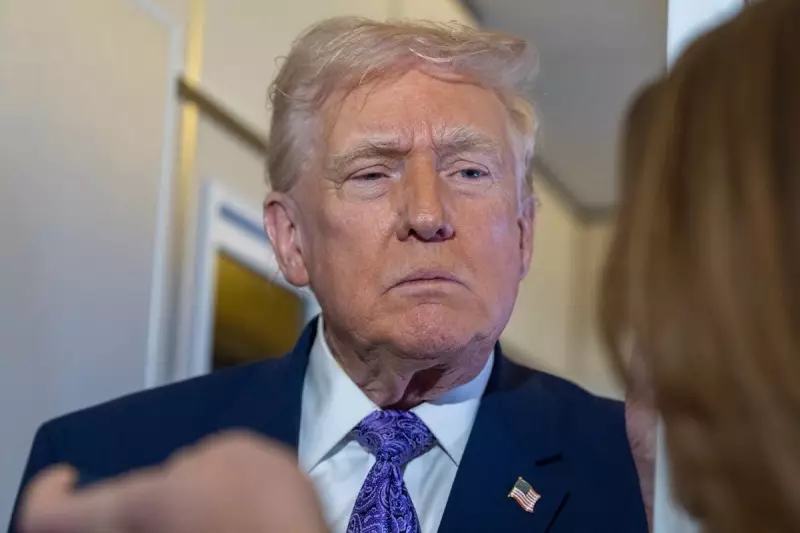
Former US President Donald Trump has ignited a fresh firestorm of controversy after using an ableist slur to describe Minnesota Governor Tim Walz in a post on his Truth Social platform.
Condemnation from The View and Personal Stories
The incident, which occurred on Tuesday 2 December 2025, was swiftly condemned by the hosts of the popular US talk show, The View. Co-hosts Ana Navarro and Sunny Hostin led the criticism, accusing Trump of normalising hateful language and targeting society's most vulnerable individuals.
Ana Navarro shared a powerful personal anecdote, revealing that she has a brother with intellectual disabilities. She connected Trump's latest comments to his past behaviour, specifically recalling an occasion where he publicly mocked a disabled reporter from The New York Times. "Shame on him for picking on the most vulnerable," Navarro stated emphatically during the broadcast.

Political Repercussions and Bipartisan Disgust
The fallout extended beyond television commentary into the political arena. Governor Tim Walz, whose own son lives with learning disorders, appeared on NBC's Meet the Press to address the insult. He argued that such language from a prominent political figure is profoundly damaging and serves to normalise discriminatory behaviour.
In a significant development highlighting the cross-party impact of the remarks, Indiana Republican state legislator Michael Bohacek took a stand. Citing his daughter who has Down syndrome, Bohacek announced his opposition to a redistricting effort favoured by his own GOP colleagues, directly linking his decision to Trump's use of the derogatory term.
Broader Context of Trump's Comments
Trump's social media post did not only contain the ableist slur. He also blamed Governor Walz for Minnesota's Somali refugee population, intertwining the offensive remark with inflammatory rhetoric on immigration. This episode unfolded as Trump simultaneously sought to defend his past pardon of a Honduran dictator convicted on drug trafficking charges, even while maintaining what he calls an 'anti-drug' crusade against Venezuela.
The convergence of these events paints a picture of a political figure continuing to employ divisive and personally offensive language, sparking debates about dignity, disability rights, and the tone of national discourse. The strong reactions from both media personalities and sitting politicians underscore the lasting sensitivity and political cost associated with such remarks.