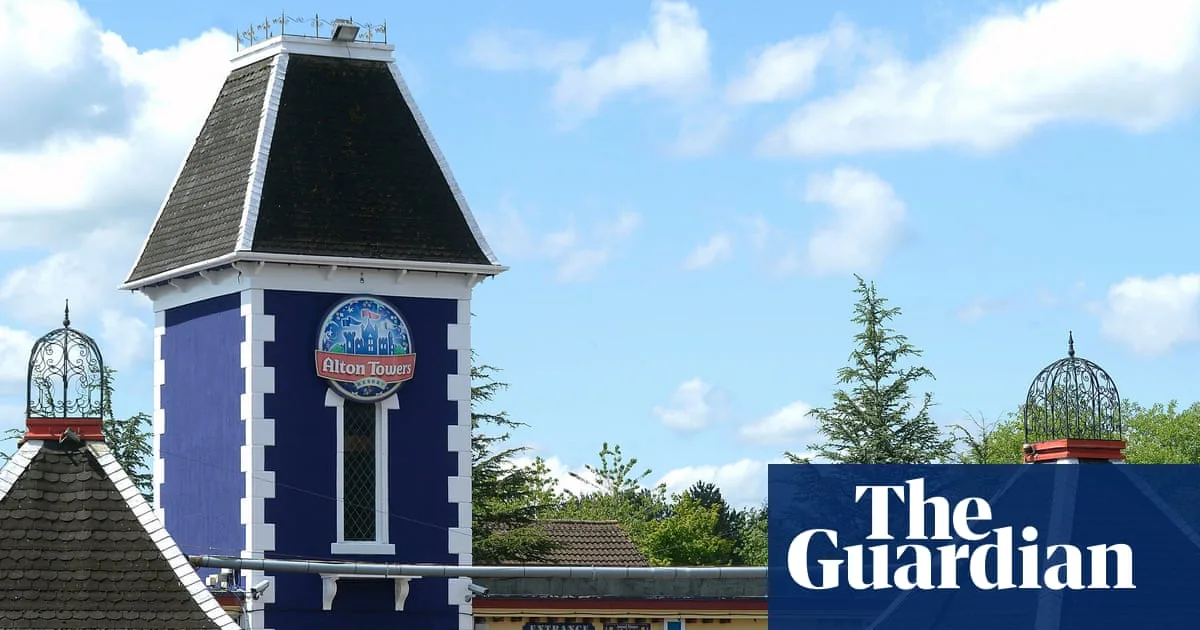
Merlin's Theme Park Disability Pass Changes Exclude Neurodivergent Visitors
The Independent's journalism is supported by our readers. When you purchase through links on our site, we may earn commission.
Why Shouldn't My Autistic Son Be Allowed to Jump the Queue at Alton Towers?
The theme park group that also owns Legoland and Chessington World of Adventures has introduced new rules that ban visitors with ADHD and anxiety from using a disability 'fast pass' at the attractions – and it's simply not fair, says Georgina Fuller.
Thursday 05 February 2026 14:59 GMT
I was profoundly disappointed to learn that Merlin Entertainments is implementing significant rule changes that will prevent many individuals with autism or attention deficit hyperactivity disorder (ADHD) from accessing their 'disability fast pass' system during this half-term period. The new restrictions apply across three major theme parks: Alton Towers, Legoland and Chessington World of Adventures.
For people like my thirteen-year-old son Eddie – who received an autism diagnosis in 2019 alongside sensory processing disorder and pathological demand avoidance – these passes have been essential for managing visits to hectic, child-friendly attractions. Without this accommodation, such environments become overwhelmingly challenging for him to navigate.
The company has justified these changes by stating that 'demand has grown' for its Ride Access Passes (RAP). These pre-booked facilities are designed to shorten queuing times for visitors 'who may find it difficult, or cannot, stand for long periods of time either due to a physical disability or a learning/emotional impairment'.
Eddie also experiences visual impairment with no peripheral vision, making standing in lengthy queues with people surrounding him particularly overwhelming. This raises an obvious question: why would I take my son to a theme park under these circumstances?
The Importance of Accessibility for Neurodivergent Visitors
Despite Eddie's struggles with noise, queues and crowds, Legoland Windsor remains one of his absolute favourite destinations. Lego represents one of his 'special interests', and he has developed genuine expertise and enthusiasm for the brand. We have visited the park numerous times over the years, alongside trips to Legoland parks in Denmark and Dubai.
Unsurprisingly, Eddie isn't particularly fond of scary rides, but there are several attractions he genuinely loves. Popular rides often feature queues exceeding an hour, making the RAP – which uses a dedicated app to bypass main queues – an absolute godsend. These passes have enabled Eddie to fully enjoy his day and access attractions that would otherwise trigger sensory overload.
During the February half-term, however, the parks – excluding Merlin's Thorpe Park, which isn't participating simply because it remains closed – will conduct a trial restricting passes exclusively to visitors classified with 'Difficulty Standing', 'Level Access' and 'Urgent Toilet Needs'. The category 'Difficulty With Crowds' will no longer qualify for access.
Company Response and Broader Context
Rob Smith, Merlin Entertainments' Chief Operating Officer, outlined these changes by stating: 'Our guests with additional accessibility needs have increasingly told us that the Ride Access Pass simply isn't working for them, particularly as demand has grown and queue times for these guests have increased.' He added that Merlin acknowledges its trial of 'a refined eligibility criterion' over half-term 'has raised concerns', promising to 'keep this approach under review ahead of our main season openings in March'.
Let me be clear: I understand how frustrating it must appear for people to witness others with 'invisible disabilities', like my son who attends a specialist school, apparently jumping queues. As Brits, we're renowned for our affection for orderly queues and united in our disapproval of perceived rule-breaking. I also comprehend – to some extent – the scepticism surrounding perceived overdiagnosis of neurodivergent conditions, which has seen substantial increases since the pandemic.
Recent NHS figures from last March indicate approximately 2.5 million people in the UK now have an ADHD diagnosis, with around 550,000 awaiting assessment. The British Medical Journal reports an eighteen percent year-on-year increase in ADHD prescriptions since the pandemic began.
When combined with the so-called 'trend' in self-diagnosis – which I believe holds validity in certain cases – it becomes understandable why some have grown cynical about these conditions.
Moving Toward Greater Understanding
Nevertheless, having now had two of my three children diagnosed with neurodiverse conditions and receiving an ADHD diagnosis myself last year, I believe we're merely scratching the surface regarding understanding and assessing neurodiversity. I recognise that perceived queue-jumping exacerbates social divisions, confusion and scepticism surrounding these conditions.
In my experience, large corporations like Merlin excel at discussing inclusivity and accessibility. However, by implementing measures that prevent individuals with additional needs from accessing their attractions, they've demonstrated they still have considerable progress to make in translating words into meaningful action.
The fundamental question remains: why should my autistic son, and thousands like him, be excluded from reasonable accommodations that enable them to participate in experiences others take for granted? Theme parks should be places of joy and inclusion, not additional barriers for those already navigating daily challenges.




