The Invisible Battle Behind a Smile
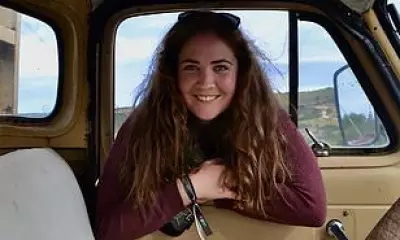
From the outside, 26-year-old Caitlin Magagna appears to be living a typical Australian life. Working as a chiropractic assistant in Melbourne, she enjoys brunch with friends at the weekend and has recently achieved the milestone of buying her first home with her partner. However, behind this picture of youthful success lies a relentless and painful struggle that began on the day she was born.
A Life Shaped by Cystic Fibrosis
Caitlin lives with cystic fibrosis (CF), a life-limiting and incurable genetic condition that primarily affects her lungs, pancreas, and digestive system. The disorder causes the body to produce an abnormal amount of thick mucus within the lungs, airways, and digestive system. This mucus traps bacteria, leading to recurrent infections, irreversible lung damage, and impaired digestive functions.
CF is the most common inherited chronic illness in Australia, impacting more than 3,700 Australians. Despite its prevalence, it remains a largely invisible disability. "I've had people yell at me in car parks for using a disabled spot," Caitlin shared. "They'll say, 'You don't look sick'. You just have to let it go, but it really hurts. People have no idea what's going on inside my body."

Her diagnosis came at birth after doctors noticed her swollen stomach and discovered thick mucus blocking her intestines. Her parents, unaware they were carriers of the CF gene, were told their newborn required immediate surgery. From that moment, Caitlin's life has been defined by a constant cycle of treatments, infections, and hospital admissions.
A Gruelling Routine and Personal Sacrifice
"Growing up, I was always in and out of hospital," she recalled. "As a teenager, it started to hit me socially - missing birthdays, school events, parties. Later, it was weddings and friends' engagements. I've had to miss a lot." By her teenage years, hospital stays became a regular part of life. "From about 13, I was in hospital every eight weeks for what we call a 'tune-up'," she explained. "It's like a car service - two weeks of IV antibiotics, physio, rest. By 21, I was in once a month." These admissions could last up to a fortnight.
Her childhood was further marked by a parallel family tragedy. While Caitlin was battling her own health, her father was fighting cancer. For months, they were both hospitalised in separate facilities – she at the Royal Children's Hospital, he at the Royal Melbourne. "Mum used to walk between the hospitals every day to visit us both," Caitlin remembered. "Sometimes weeks would go by where I couldn't see Dad because we were both too sick, and we had to Skype from our hospital beds." He passed away when she was nine.
Her mother became her pillar of strength, raising Caitlin and her younger sister alone and sleeping by her hospital bed for years during her lengthy stays. "Mum is my hero. She used to pack her bag and stay the full two weeks with me."
A Lifeline and a New Beginning
In 2023, Caitlin's health reached a critical point. With her medications failing and her lung function plummeting to a mere 33 per cent, doctors began preparing her for a double lung transplant. However, a persistent chest infection rendered her ineligible, and hope began to fade.
Her salvation arrived in the form of a new drug called Trikafta, a breakthrough therapy that targets the underlying cause of CF. At the time, it was not available on Australia's Pharmaceutical Benefits Scheme (PBS), carrying an astronomical price tag of $250,000 per year. Although her genetic profile initially made her ineligible, her doctors fought for compassionate access.
After months of determined effort, she received the life-changing call in June. "From my first dose, everything improved," Caitlin said. "I went four months without a hospital admission - I hadn't done that in 15 years. My lung function went from 33 per cent to 46 per cent. I was able to work more hours, and my boyfriend and I bought our first home. It's given me my life back."

The approval came just in time for her family. "My mum was ready to remortgage her house to pay for the drug," she revealed. "We even talked about moving to London, where it was available sooner. No one should have to uproot their life for medicine that already exists." Thankfully, Trikafta was added to the PBS in July 2025 for patients with rarer mutations, ensuring other Australians would not face the same financial burden.
The Daily Reality of an Invisible Illness
Despite the medical breakthrough, the daily reality of living with CF remains immense. "CF is a full-time job," she explained. "My mornings start with tablets and breathing therapy. Some nights I spend an hour and a half doing inhalers, physio, and antibiotics. When I'm on home IVs, that's up to five infusions a day. Fitting in work, exercise, and a social life around that can be exhausting."
She credits her strong support network for helping her through the toughest times. Her boyfriend, Yuri, has learned her complex medication routine by heart and visits her without fail during hospital admissions. "He's never once made me feel like a burden," she says gratefully.
Now, Caitlin uses her voice to advocate for greater awareness and understanding of cystic fibrosis and other invisible illnesses. "People think CF is rare, but it's actually the most common genetic condition in Australia," she stated. "We need more awareness because invisible illnesses are still misunderstood. You never know what someone's going through just by looking at them."