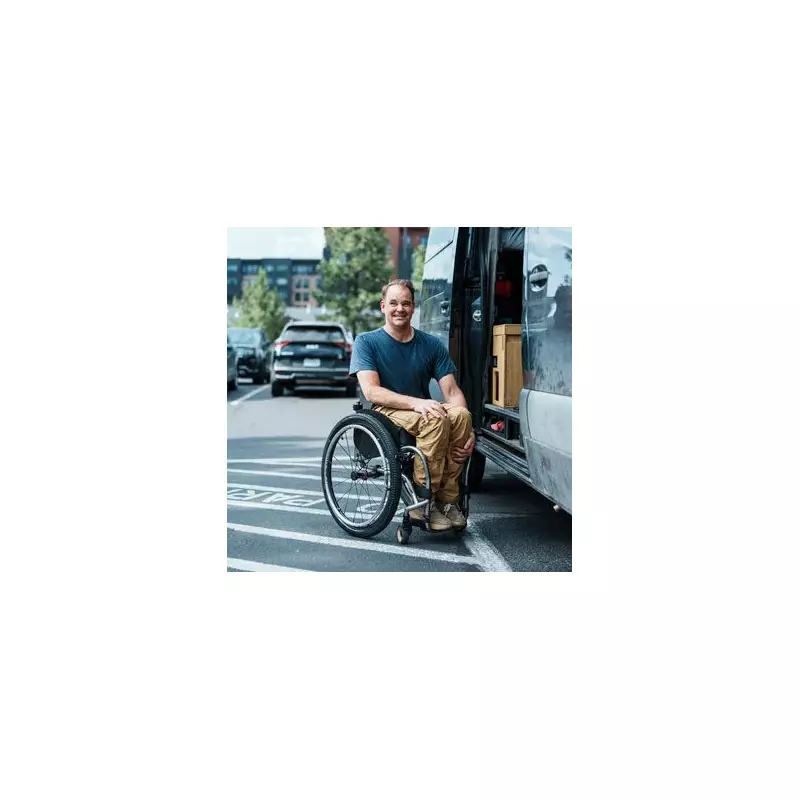
Thousands of people across the UK with non-visible health conditions could be eligible for a Blue Badge parking permit, according to updated government guidance. The scheme, which offers crucial parking concessions, is not just for those with physical mobility issues.
Who Automatically Qualifies for a Blue Badge?
The rules state that you will automatically qualify for a Blue Badge if you meet one of several specific criteria. This includes individuals who are registered as severely sight impaired (blind).
Automatic eligibility also extends to those receiving certain mobility-related benefits. You qualify if:

- You get the Personal Independence Payment (PIP) and cannot walk more than 50 metres, scoring 8 points or more under the 'moving around' activity.
- You receive the War Pensioners’ Mobility Supplement.
- You get the higher rate of the mobility component of Disability Living Allowance (DLA).
- You have an Armed Forces compensation and are certified with a permanent, substantial walking disability.
- You score 10 points under PIP's 'planning and following journeys' activity due to overwhelming psychological distress.
Eligibility for Hidden and Non-Visible Conditions
Many people may not realise that a wide range of hidden conditions can also lead to eligibility. The government's comprehensive list includes circumstances where individuals with non-visible disabilities or significant walking difficulties can qualify.
This encompasses people living with conditions such as heart disease, dementia, ADHD, epilepsy, chronic fatigue syndrome, or Parkinson's disease. Eligibility hinges on whether the condition severely impacts your ability to walk, plan a journey, or poses a danger to your health and safety when walking.
Parents or guardians of a child under the age of 3 with a medical condition requiring constant proximity to a vehicle or bulky medical equipment may also qualify.
The Application Process and Assessments
Most applications are submitted online through your local council's website. You will need to provide a recent digital photo, proof of identity and address, your National Insurance number, and proof of any benefits.
However, there is a crucial exception for some mental health conditions. The guidance explicitly advises: "If you have a mental condition that means you lack awareness about the danger of traffic, you cannot apply online." In these cases, you must contact your council's Blue Badge team directly for a paper form.
For those who do not automatically qualify, the council may require a mobility assessment or a consultation with a healthcare professional before making a decision.
Parking Benefits and What to Do If Rejected
A Blue Badge permits the holder to park for free at on-street parking meters and in pay-and-display bays. Crucially, it also allows parking on single and double yellow lines for up to three hours, unless there are loading restrictions.
If your application is rejected, your local council should explain why. You have the right to request a reconsideration if you believe they missed vital information. You can also reapply if your condition worsens.
The scheme remains a vital tool for enhancing independence for many people across the UK living with both visible and non-visible disabilities.