

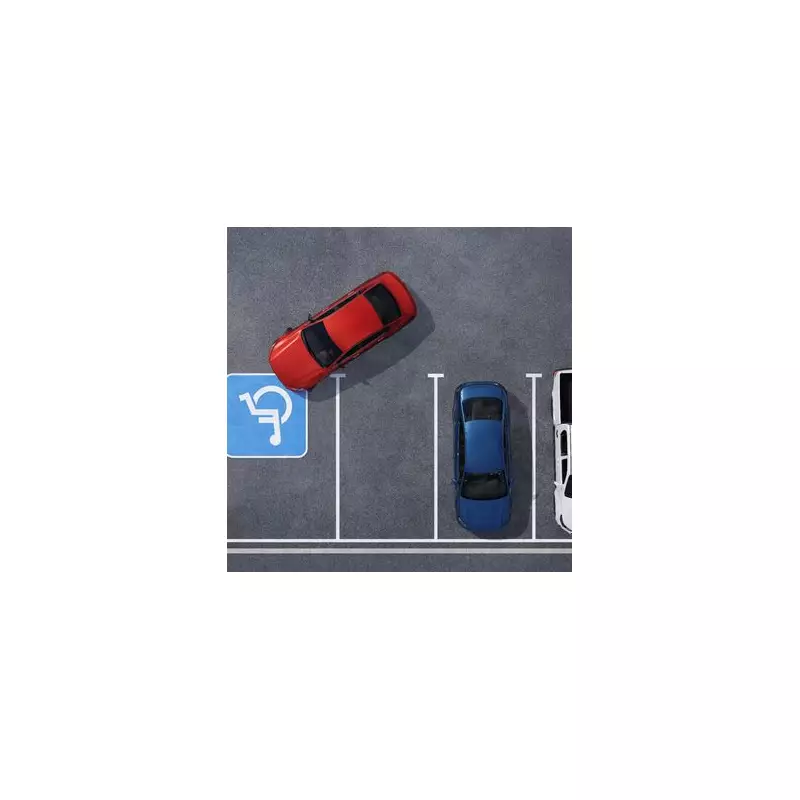
For individuals living with mobility-affecting disabilities or health conditions, everyday tasks like shopping, attending appointments, or enjoying leisure activities can present significant challenges. The Blue Badge scheme serves as a vital lifeline, offering practical parking concessions that help bridge the gap between disability and accessibility.
What is a Blue Badge and What Are Its Benefits?
A Blue Badge is a nationally recognised parking permit designed to assist people with severe mobility issues. The primary advantage is the ability to park closer to destinations, reducing physical strain and psychological stress associated with travel.
Key benefits include:

- Access to designated disabled parking bays
- Permission to park on specific double yellow lines for up to three hours (where safe and unless local restrictions apply)
- Frequently complimentary parking in disabled bays and certain car parks
- Transferability between vehicles – the badge belongs to the holder, not a specific car, and can be used in any vehicle they travel in, including taxis, provided they are present
Beyond convenience, these benefits can translate into substantial financial savings on parking costs over time, making the Blue Badge both a practical and economic support mechanism.
Costs and Validity Across the UK
Application fees vary significantly across different UK nations:
- England: Maximum £10
- Scotland: Up to £20
- Wales: Free of charge
Local authorities manage the application process, determine eligibility, and set pricing within these national frameworks. Once issued, Blue Badges typically remain valid for up to three years, after which holders must reapply through their local council.
Two Pathways to Eligibility
There are two distinct routes to obtaining a Blue Badge: automatic qualification and individual assessment.
Who Qualifies Automatically?
The Government has specified that individuals aged three and above will automatically receive a Blue Badge if they meet at least one of these six conditions:
- You receive the mobility component of Personal Independence Payment (PIP) with 10 points specifically for descriptor E under ‘planning and following journeys’ because you cannot undertake any journey without experiencing overwhelming psychological distress
- You receive the higher rate of the mobility component of Disability Living Allowance (DLA)
- You receive a War Pensioners’ Mobility Supplement
- You have received a lump sum benefit within tariff levels one to eight of the Armed Forces and Reserve Forces (Compensation) Scheme and have been certified as having a permanent and substantial disability causing inability to walk or very considerable walking difficulty
- You are registered blind (severely sight-impaired)
- You receive PIP because you cannot walk more than 50 metres (scoring eight points or more under the ‘moving around’ activity of the mobility component)
Important note: If you score below descriptor E in PIP’s ‘planning and following journeys’ activity (even with higher scores like 12), you may still qualify, though it’s not guaranteed. You’ll need to provide supporting evidence for assessment.
Additional Eligibility Through Assessment
Others may qualify through individual assessment if one or more of these circumstances apply:

- Walking poses dangers to your health and safety
- You experience severe difficulty planning or following journeys
- Walking is very difficult due to pain, breathlessness, or time required
- You regularly have intense, overwhelming responses causing temporary loss of behavioural control
- You have a child under three who requires constant accompaniment by bulky medical equipment
- You cannot walk without assistance from another person or mobility aids
- You have a life-limiting illness with walking difficulties and possess an SR1 form
- You have severe disabilities in both arms, drive regularly, but cannot operate pay-and-display machines
- You have a child under three who must remain near a vehicle for potential emergency medical treatment
- You pose a significant risk to yourself or others near vehicles, in traffic, or car parks
- You frequently experience extreme anxiety or fear of public/open spaces
- You find it difficult or impossible to control actions and lack awareness of potential impacts on others
Assessments for mental health difficulties, such as acute anxiety leading to temporary ‘loss of behavioural control’ during distressing situations, are conducted on a case-by-case basis.
How to Apply for a Blue Badge
In England, Scotland, and Wales, applications should be submitted via the official GOV.UK website. Northern Ireland operates a separate process through its own government channels.
Your local council will assess eligibility once all required evidence is received. Processing times can extend to 12 weeks or longer, so applicants are advised to apply well before their current badge expires if renewing.
If your application is refused and you believe relevant facts were overlooked, you have the right to request a formal review of the decision.





