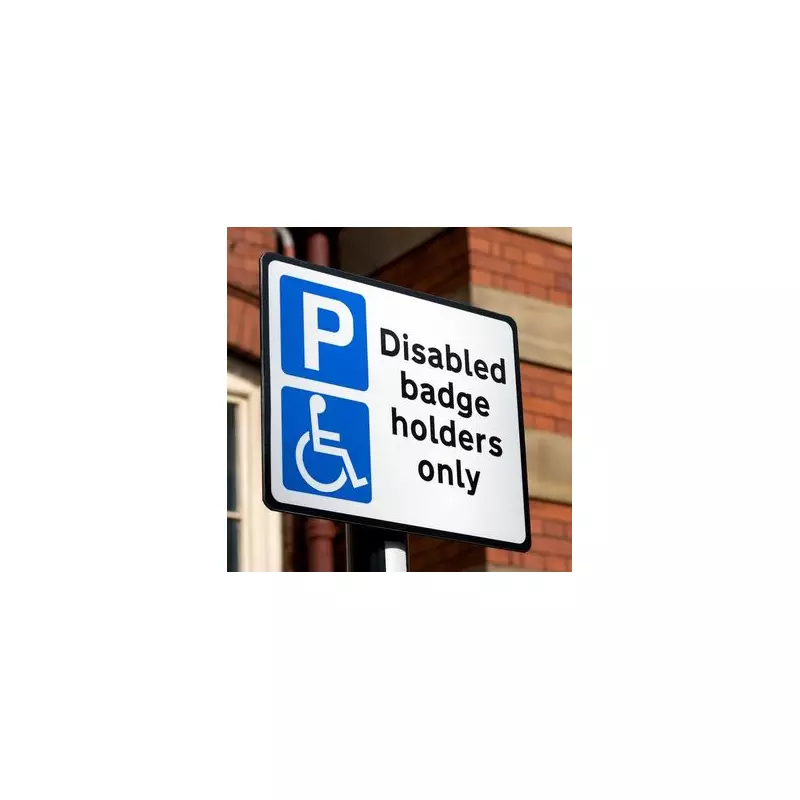
Holders of a Blue Badge permit enjoy significant parking concessions across the United Kingdom, but it is crucial to understand that these privileges are not universal. Ignoring specific restrictions can lead to substantial fines, even for those displaying the badge.
Where Blue Badge Holders Are Not Allowed to Park
While the permit allows parking on yellow lines and in pay-and-display bays under certain conditions, there are clear and absolute prohibitions. According to official guidance, there are 11 key locations where Blue Badge parking is never permitted, day or night.
These restricted areas include:

- On single or double red lines during their operational hours.
- In loading bays, unless specific signage grants an exemption for badge holders.
- Where temporary restrictions are active, such as for roadworks or where no-waiting cones are placed.
- Next to yellow markings (kerb blips) that indicate loading bans.
- In bus, tram, or cycle lanes. The badge does not grant permission to drive in bus lanes.
- Where there are double white lines in the centre of the road, even if one is broken.
- Spaces reserved for specific users like residents or taxis.
- School 'keep clear' markings during the times shown.
- Clearways (no stopping zones), including urban clearways and bus stop clearways, during their hours.
- Suspended meter bays or when meter use is prohibited.
- On pedestrian crossings (including zigzag lines).
Understanding Your Blue Badge Privileges
When used correctly, the Blue Badge is a vital tool for improving mobility. It grants holders, whether drivers or passengers, the right to park closer to their destination. The core concessions typically allow for:
Parking free of charge and without a time limit in on-street disabled bays, at parking meters, and in pay-and-display spaces. Additionally, holders can usually park on single or double yellow lines for up to three hours, provided there are no loading restrictions and it is safe to do so.
Who is Eligible for a Blue Badge?
The UK Government outlines both automatic and assessed criteria for eligibility. You may qualify automatically if you are over three years old and meet one of several conditions, including:
- Receiving the mobility component of Personal Independence Payment (PIP) with 8 points or more for 'moving around' or 10 points for 'planning and following journeys' due to overwhelming psychological distress.
- Getting the higher rate of the mobility component of Disability Living Allowance (DLA).
- Being registered as severely sight impaired (blind).
- Receiving a War Pensioner's Mobility Supplement.
- Having been awarded a lump sum under the Armed Forces Compensation Scheme (tariffs 1-8) and certified with a permanent, substantial walking disability.
You might also be eligible following an assessment if you have considerable difficulty walking due to pain, breathlessness, or time taken; if you drive but cannot operate parking machines due to severe disability in both arms; or if you have a non-visible condition like dementia, Parkinson's, or a mental health condition that causes overwhelming distress when travelling.
Special provisions exist for parents of children under three who need to be near a vehicle for emergency treatment or to carry bulky medical equipment.
How to Apply and Associated Costs
Applications for residents in England, Scotland, and Wales should be made via the official Government website. Residents of Northern Ireland must apply through NI Direct.
The cost of a Blue Badge varies across the UK: up to £10 in England, up to £20 in Scotland, and free in Wales. A successfully issued badge is generally valid for up to three years before renewal is required.
Familiarising yourself with the full rules is essential to maximise the benefit of the scheme while avoiding penalties. For complete details and to apply, visit the UK Government's official website.