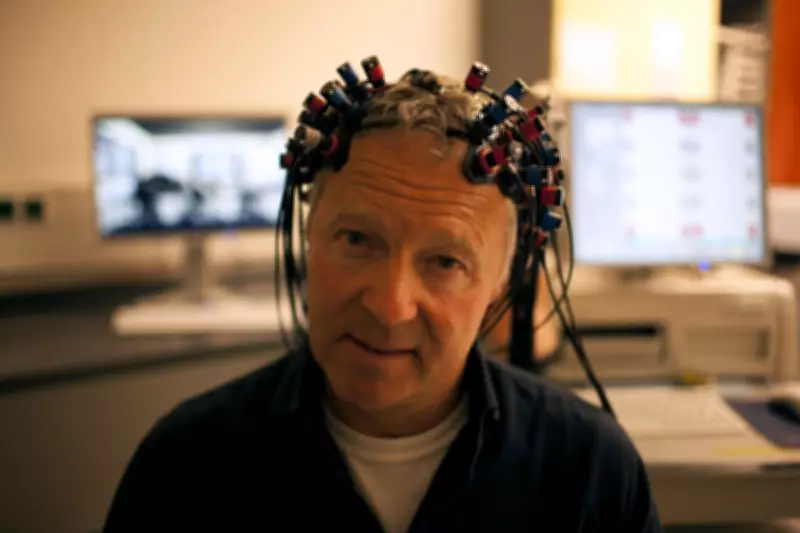
Comedian Rory Bremner has spoken out about his own ADHD diagnosis, arguing that brains like his could benefit Britain if given the right support. Writing in The Independent, Bremner highlights the challenges faced by children with special educational needs and disabilities (SEND) and their families, and calls for a rethink of the current system.
The Reality of Inclusion
Bremner, who describes both the positives of ADHD – energy and creativity – and the negatives – disorganisation and sensitivity – says he is standing with thousands of parents fighting for their SEND children. He recently hosted an event in Parliament where parents could share their experiences with MPs.
While the Department for Education has allocated an additional £4 billion for SEND reforms, Bremner warns that getting it wrong could cost ordinary families dearly, not just in taxes but in broken lives. He argues that the concept of 'inclusion' in mainstream schools, while well-intentioned, can be brutal for some vulnerable children.

For a minority of children with special educational needs, compounded by extreme anxiety, trauma, and challenging behaviour, the bustling chaos of a noisy mainstream school is unbearable. The playground, the lunch queue, the joshing and teasing, and the constant sensory overload can all overwhelm them. Bremner compares this to asking footballers to share a pitch with cricketers – the footballers will run all over the pitch and disrupt the cricket game.
The Cost of Failure
Parents of SEND children often find themselves exhausted and thousands of pounds out of pocket fighting the system to get the care plans their children need. Tribunals, which rule in their favour in around 97% of cases, are a painful and unnecessary hurdle. Bremner points out that if specialist provision seems expensive, the alternative is far costlier: a child failed by the system can end up in a youth offender institution, costing taxpayers up to £180,000 a year.
Specialist provision in SEND schools costs a fraction of that. Moreover, removing a child with complex needs from a mainstream class benefits both the child, who receives appropriate care, and the other 30 children in the class, whose lessons are no longer disrupted. Bremner calls this a 'win-win'.
A Win for Society
With the right help, a child who costs the state money in healthcare, court costs, and penal institutions can learn, thrive, and contribute an estimated £380,000 to society. Bremner contrasts this with the current situation, where struggling schools try to accommodate children in a regime that will never work for them, leaving them traumatised or excluded, isolated in side rooms, their parents exhausted and their family broken under the strain. Often, a parent quits work, the house is lost, and everyone ends up on benefits. 'That is not saving money. That is madness,' he writes.
Bremner is not against mainstream schools but wants decent provision near home for children who can cope there. He warns against fixing a broken system by destroying the parts that work for the most vulnerable. Despite many fantastic state-run special schools, there are simply not enough of them. Losing the fantastic specialist independent provision risks 'throwing the baby out with the bathwater'.
A Moral Duty
At the Parliament event, parents spoke not as moaners but as people who love their children and want them to be the best they can be. As one mother said, for these children, specialist provision is not a choice – it's a necessity. Bremner concludes that giving them the education provision they need will allow society to reap the reward from children who have so much to offer – brains that think differently, with special skills like energy, creativity, and hyperfocus, now increasingly in demand from tech companies of the future.
Quoting Francis Ford Coppola, Bremner notes: 'The things they exclude you from school for are the things they give you lifetime achievement awards for later in life.' He argues that the government has a moral duty to get this right, for every child's sake.