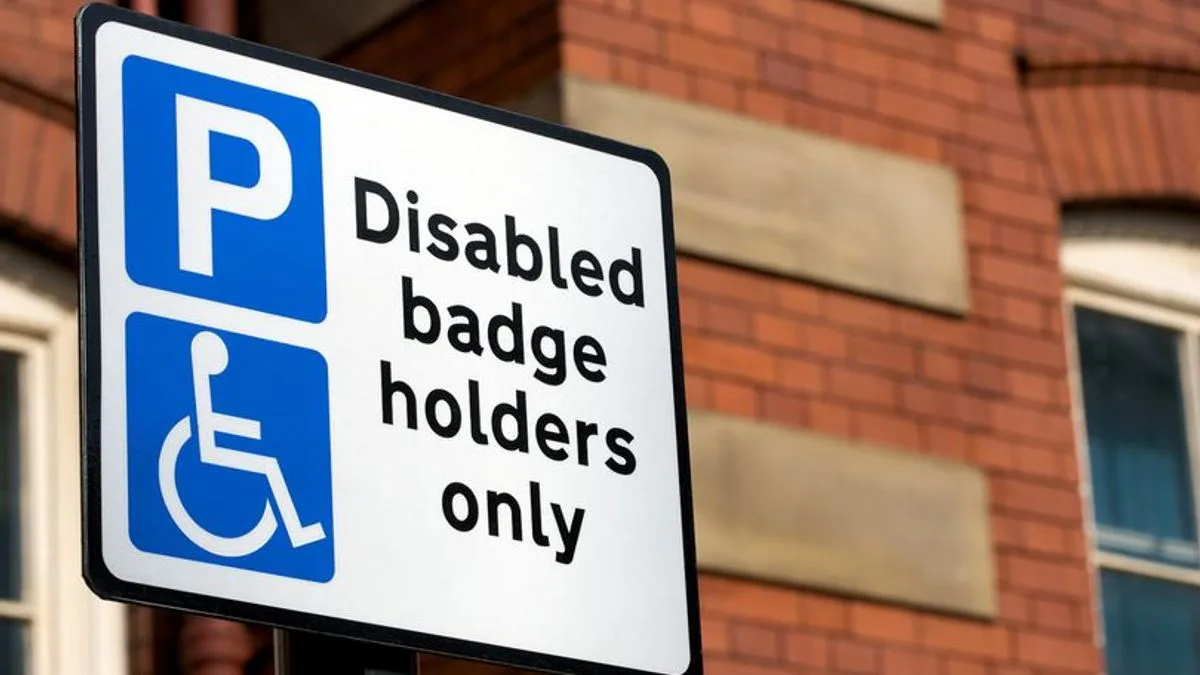
Blue Badge holders across the UK benefit from crucial parking concessions, but strict rules still apply in specific locations. A failure to adhere to these restrictions can lead to significant fines, making awareness essential for the over 2.5 million badge holders in Britain.
Where Blue Badge Parking is Prohibited
While the permit offers considerable freedom, there are 11 key places where parking is never allowed, day or night. These restrictions are designed to maintain safety and traffic flow. The prohibited areas, as highlighted in recent reports, include:
- On single or double red lines during their operational hours.
- In loading bays, unless specific signs grant permission for badge holders.
- Where temporary bans are active, such as for roadworks or with no-waiting cones.
- Next to yellow kerb markings (indicating loading restrictions).
- In bus, tram, or cycle lanes. Note: The badge does not grant permission to drive in bus lanes.
- Where there are double white lines in the centre of the road, even if one is broken.
- In spaces reserved for specific users like residents or taxis.
- On school 'keep clear' markings during the times shown.
- On clearways, including urban clearways and bus stop clearways, during their hours.
- In suspended meter bays or when meter use is prohibited.
- On pedestrian crossings (including zigzag lines).
Understanding Your Blue Badge Privileges
It is equally important to know where you can park legally and often for free. The core concessions for valid badge holders include:
Parking without charge at on-street disabled bays. Parking on single or double yellow lines for up to three hours, provided no loading restrictions are in place and it is safe. Parking free and without a time limit at on-street parking meters and pay-and-display spaces.
Who is Eligible for a Blue Badge?
The UK Government states that individuals aged three or older can qualify automatically if they meet certain criteria. This includes those who:
- Receive the mobility component of PIP with 8 points or more for 'moving around' (unable to walk more than 50 metres) or 10 points for 'planning and following journeys' due to overwhelming psychological distress.
- Get the higher rate of the mobility component of Disability Living Allowance (DLA).
- Are registered as severely sight impaired (blind).
- Receive a War Pensioner's Mobility Supplement.
- Have been awarded a lump sum under the Armed Forces Compensation Scheme (tariffs 1-8) and have a permanent, substantial disability.
You may also qualify if you have considerable difficulty walking due to pain or breathlessness, cannot walk without assistance, have a severe disability in both arms, have a hidden condition like dementia causing overwhelming distress, or have a child under three who requires bulky medical equipment or emergency access to a vehicle.
How to Apply and Associated Costs
Residents of England, Scotland, and Wales should apply through the official Government website. Applicants in Northern Ireland must use the NI Direct portal.
The administration fee varies across the UK: up to £10 in England, up to £20 in Scotland, and free in Wales. A successfully issued badge is typically valid for three years before renewal is required.
For full details on eligibility and the application process, visit the UK Government's dedicated Blue Badge pages. Staying informed on these rules is the best way to use your permit confidently and avoid costly penalties.




