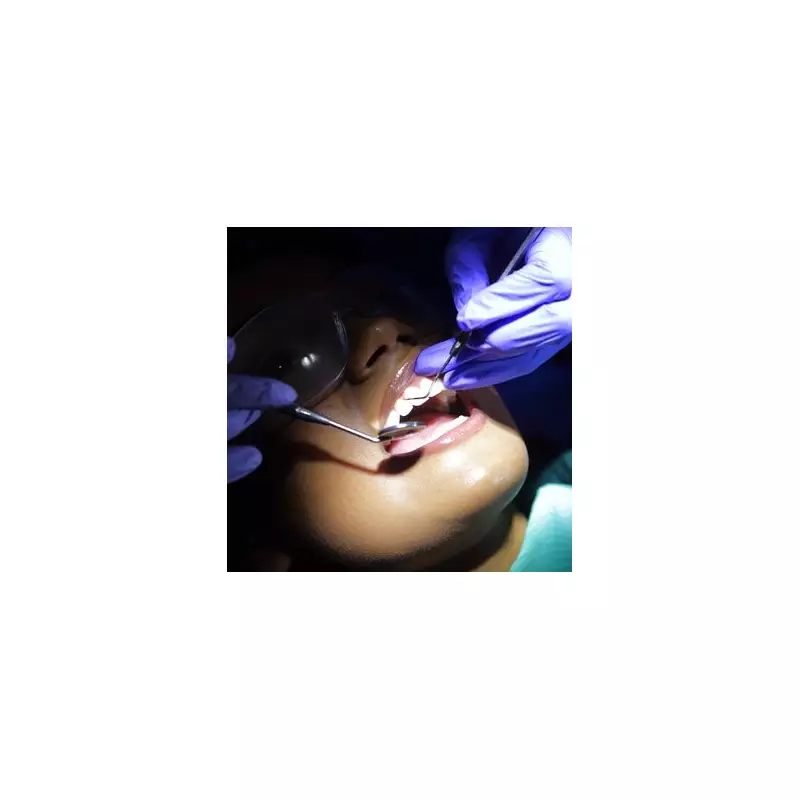
A leading dentist has issued a timely reminder for a simple, protective habit that people should adopt immediately after every meal and drink to safeguard their dental health, particularly during the ongoing festive period.
The Festive Threat to Your Smile
While the main Christmas Day celebrations may be over, the season of parties and indulgent meals continues, especially with New Year's Eve on the horizon. Dr Mala Sabharwal warns that this period of prolonged celebration can put our teeth through significant strain.
Many popular festive treats and sparkling beverages pose a serious risk to dental enamel and can even lead to emergency dental visits. The dentist highlighted to the team at Fresha that certain foods and drinks cause "more damage than you might think."

The Crucial Mistake Thousands Make
Dr Sabharwal identifies a widespread error in oral care routines. "A common mistake which thousands are unaware of," she explains, "is that when indulging in sugary or acidic foods and drinks, it’s important to rinse your mouth with water straight away rather than brushing immediately."
Brushing your teeth too soon after consuming acidic items like wine, fizzy drinks, or citrus fruits can actually worsen damage. The abrasive action of the toothbrush can wear away enamel that has been temporarily softened by acid.
The recommended action is to simply swill with water immediately after eating or drinking. This quick, free habit helps dilute harmful sugars and acids, giving your teeth time to recover and remineralise naturally before you later brush.
Specific Festive Culprits and Protective Strategies
The dentist named specific festive foods that are particularly problematic. "Toffees are a big culprit and a cause for many that go to the dental emergency over December," Dr Mala stated, also advising caution with similar sticky sweets like chocolate eclairs. These can dislodge fillings and crowns.
Her advice for enjoying these treats in moderation is clear: "When you do decide to eat these foods, it’s important to drink lots of water after to try and offset the sugar." She further recommends avoiding constant snacking or grazing on sugary items to reduce the frequency of acid attacks on tooth enamel.
For popular festive drinks like mulled wine, which is highly acidic, the same water technique applies. "The acidity in the drink can damage the enamel of your tooth if sipped upon slowly," she notes, suggesting sipping water in between to help neutralise the acid. Using a straw where possible can also help bypass the teeth, reducing both staining and acid contact.
For those concerned about stains from drinks like red wine or coffee, Dr Mala suggests limiting daily intake and being mindful of choices, as red wine stains more than white.
This guidance on managing sugar's impact is supported by other dental professionals, including those on social media, who advise consuming sugary items in one sitting rather than spreading intake throughout the day to minimise prolonged exposure.
Implementing this one quick habit—rinsing with water right after eating or drinking—is a powerful, easy step towards stronger, healthier teeth long after the festive season ends.