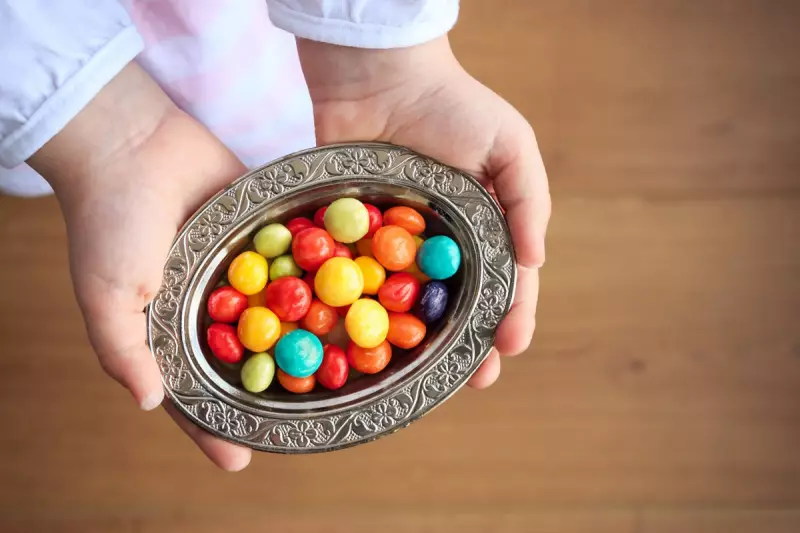
The final stretch of the year, marked by Halloween, Thanksgiving, and Christmas, brings a wave of sugary indulgence. From leftover sweets to seasonal pies and eggnog, our sugar intake often spikes, posing a significant threat to our dental health.
The 'Sugar Hangover' Effect
Dr. Catrise Austin, a cosmetic dentist based in New York City, describes the post-holiday consequence as a 'sugar hangover'. During this period, the pH balance of our saliva becomes disrupted, creating a more acidic environment in the mouth.
"All that dessert, candy, and sweet drinks leave behind a trail of acids that drop our mouth’s pH from a healthy neutral 7.0 to around 4.5 — the level where enamel begins to dissolve," she explains. This acid attack can last for 20 minutes or more after each sugary bite. With frequent exposure, your mouth remains in an acidic state for much of the day, increasing the risk of cavities and tooth decay.
Statistics underscore the problem. According to the U.S. Centers for Disease Control and Prevention, 21 percent of adults aged 20 to 64 had at least one permanent tooth with untreated decay in 2024. Among young children aged two to five, the figure was 11 percent.
Dentist-Recommended Foods to the Rescue
While brushing and flossing are essential, certain foods can act as a powerful defence, helping to restore the mouth's pH balance and repair damage.
Crunchy Fruits and Vegetables
Dr. Austin recommends crunchy produce like apples, carrots, and celery. These foods help stimulate saliva production, which she calls the body's "natural buffering system."
"Saliva neutralizes acid, restores the pH toward 7.0, and replenishes minerals like calcium and phosphate to repair early enamel damage," she notes. The American Dental Association confirms that saliva also delivers disease-fighting substances throughout the mouth.
Cheese and Yoghurt
Dairy products are another excellent choice. Christopher Tolmie, a dentist at PDS Health in Florida, explains that cheese provides calcium and phosphate, which help repair tooth enamel. Plain yoghurt can have a similar effect.
Both cheese and yoghurt can help restore the mouth’s pH balance to a healthy range of between six and seven, counteracting the acidic environment created by sugary foods.
Leafy Greens
Dr. Austin also suggests eating leafy greens like kale and spinach. "They’re high in mineral and folate content that strengthen gums and counteract acid stress," she says. Their coarse texture also provides a gentle scrubbing action on teeth, helping to remove food particles and plaque.
Unsweetened Tea
Instead of sugary sodas, Dr. Tolmie recommends unsweetened green or black tea. These teas contain polyphenols, compounds that inhibit bacteria from sticking to teeth. A 2022 study published in Molecules found that polyphenols can reduce plaque buildup and lower the risk of oral infections.
Almonds
Dr. Steven J. Katz, a board-certified endodontist from Ohio, highlights almonds as a beneficial snack. "They are packed with calcium and protein, and they help buffer acids," he says. Chewing almonds encourages saliva production and gently cleans the teeth.
Sugar-Free Gum with Xylitol
Dr. Katz also recommends chewing sugar-free gum made with xylitol, a natural sugar alcohol. "Chewing sugar-free gum stimulates saliva flow, and xylitol specifically helps inhibit the bacteria responsible for cavities," he explains. A 2022 review found that consuming five to 10 grams of xylitol daily significantly reduced the risk of cavities.
Water
The simplest and most effective option is water. "Water rinses away food debris and bacterial acids that lead to decay. If it’s fluoridated, it also strengthens and rebuilds enamel," Dr. Katz states. It is the most affordable and accessible tool for maintaining oral health after indulging in holiday treats.