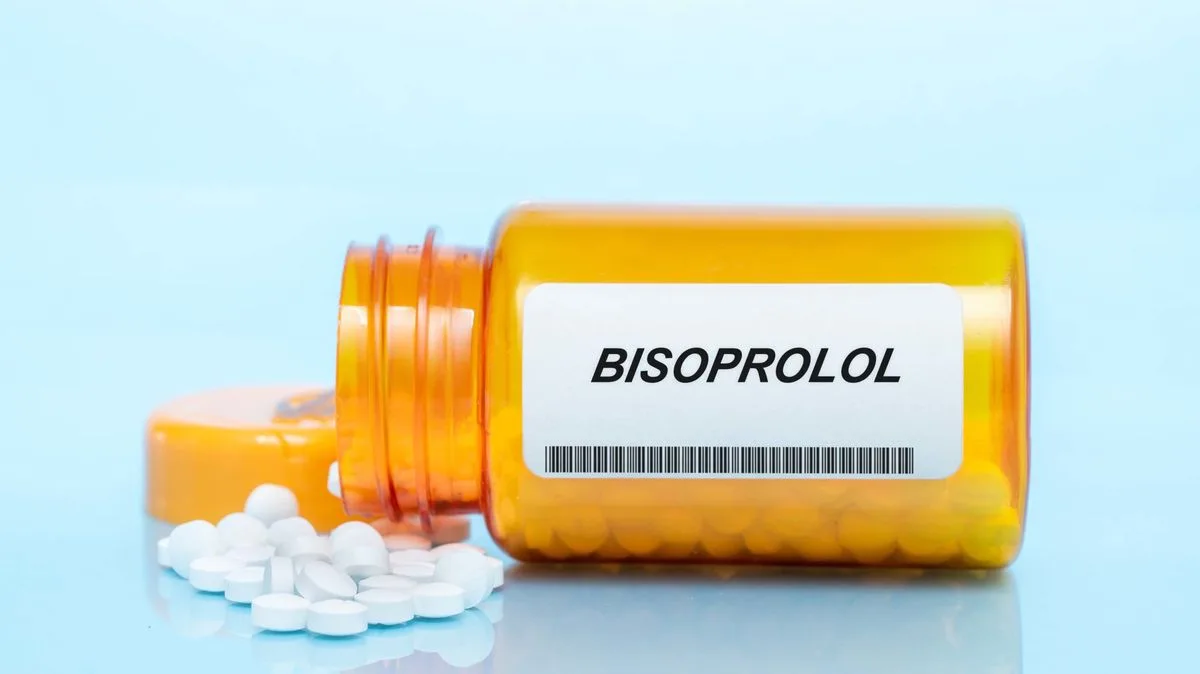
The National Health Service has issued an urgent safety alert targeting the millions of Britons prescribed a first-choice medication for heart and circulatory conditions. The drug, Bisoprolol, is a beta-blocker used by vast numbers across the UK to manage high blood pressure, angina, and irregular heart rhythms.
A Pill Prescribed Millions of Times
Bisoprolol stands as the most frequently prescribed beta-blocker in England, with official figures revealing it is the seventh most prescribed drug nationwide. Data for the 2024-25 period shows an astonishing 32 million prescriptions were issued for Bisoprolol in England alone, underlining its widespread use. Annually, over 50 million prescriptions for beta-blockers are dispensed across the UK to treat conditions ranging from hypertension to nervous system disorders.
The NHS confirms the drug's importance, stating: "If you have high blood pressure, taking bisoprolol helps prevent future heart disease, heart attacks and strokes." It functions by slowing the heart rate, making it easier for the heart to pump blood efficiently around the body.
Common vs. Critical: Knowing the Difference
As with many medicines, Bisoprolol carries a range of potential side effects. Those beginning treatment are advised to take their first dose at bedtime due to possible dizziness. Other common, typically mild reactions include headaches, nausea, cold hands or feet, and episodes of constipation or diarrhoea, affecting more than one in every 100 users.
However, health authorities are now emphasising the crucial distinction between these manageable reactions and a set of rare but serious side effects that demand immediate medical attention.
Symptoms Requiring Urgent Medical Advice
The NHS instructs patients to call their doctor or NHS 111 immediately if they experience specific warning signs. These are potential indicators of heart or liver complications and include:
- Shortness of breath accompanied by a worsening cough during exercise (like climbing stairs).
- Swollen ankles or legs.
- An irregular heartbeat.
- Yellowing of the whites of the eyes or the skin (this may be less obvious on brown or black skin).
Red Flags That Mean Dialling 999
Critically, there are symptoms where the NHS advises no delay: call 999 straight away. These are signs of potentially severe heart or lung problems:
- Chest pain – a potential sign of heart issues.
- Shortness of breath, wheezing, and a tightening chest – potential signs of lung problems.
Furthermore, a severe allergic reaction (anaphylaxis) to Bisoprolol is a medical emergency. Dial 999 if any of the following occur:
- Sudden swelling of the lips, mouth, throat, or tongue.
- Struggling to breathe, becoming very wheezy, or feeling like you are choking.
- A tight throat or difficulty swallowing.
- Skin, lips, or tongue turning blue, grey, or pale (on black or brown skin, check palms or soles).
- Sudden confusion, drowsiness, or dizziness.
- Someone fainting and not waking up.
The alert notes that a swollen, raised, itchy, or peeling rash may also accompany these severe allergic symptoms. The NHS explicitly warns: "Do not drive yourself to A&E." Instead, call 999 and follow the operator's instructions to ensure safe, prompt treatment.
This guidance serves as a crucial reminder for the millions relying on this common medication to remain vigilant about their health and act swiftly if these specific dangerous symptoms arise.




