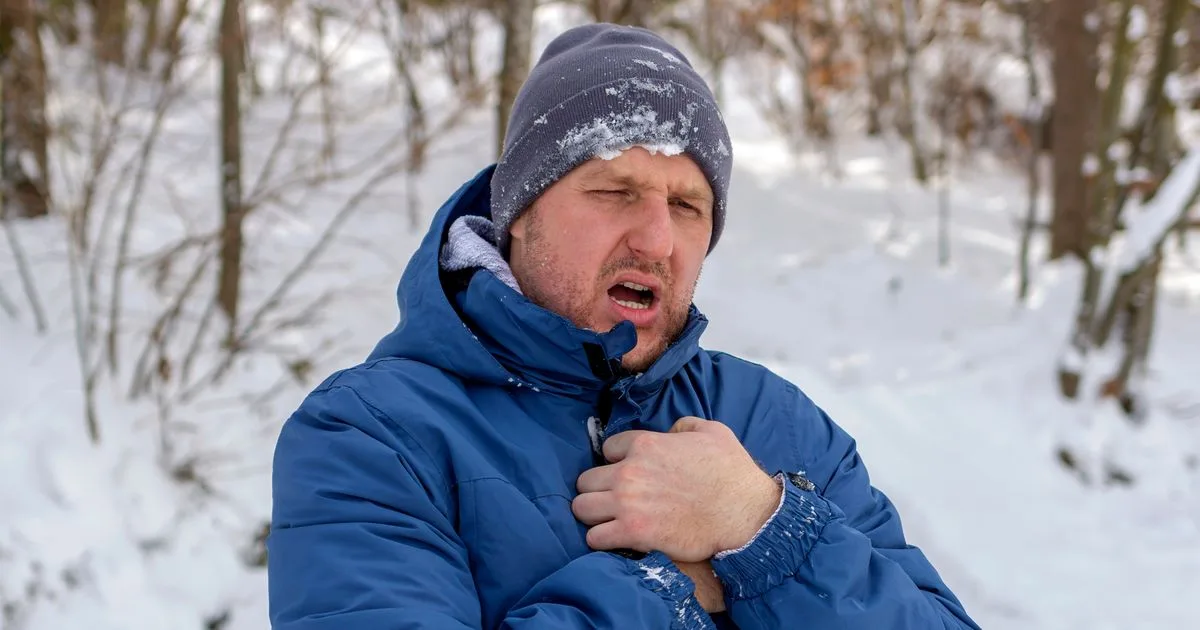
A senior cardiac nurse has issued an urgent health warning as more than 7.6 million people across the UK face an increased risk of life-threatening medical emergencies this week. The alert comes amid a severe cold snap, with weather warnings for snow and ice covering large parts of the country.
Ruth Goss, the senior cardiac nurse at the British Heart Foundation (BHF), explained that plummeting temperatures force the heart to work significantly harder. This extra strain can trigger heart attacks or strokes in those with existing cardiovascular conditions.
Why the Cold Puts Hearts Under Pressure
The physiological response to cold is a key danger. To conserve body heat, blood vessels near the skin's surface narrow. This process, known as vasoconstriction, redirects blood and oxygen to vital organs like the heart and brain.
However, this natural defence mechanism has a critical downside. The heart must pump harder against the constricted vessels, leading to increased heart rate and blood pressure. For a heart already weakened by disease, this additional workload can be catastrophic.
Compounding the risk, people with heart and circulatory diseases are more vulnerable to severe complications from seasonal respiratory infections like flu. The BHF stresses that this combination of cold weather and prevalent viruses creates a perfect storm for health crises in winter.
Essential Steps to Protect Your Heart
The BHF is urging those with heart conditions to take immediate and practical precautions. Ruth Goss has outlined several evidence-based strategies to minimise risk during the freeze.
First, focus on staying warm. Keep the main room you use heated to at least 18°C. Use layers of clothing, socks, and blankets to trap heat. At night, a hot water bottle or electric blanket can help maintain a safe body temperature.
Dress smartly when outdoors. Wear multiple thin layers rather than one thick one, and always don a hat, scarf, and gloves. For those who suffer from angina, loosely wrapping a scarf over the nose and mouth can warm the air you breathe and may ease winter-triggered chest pain.
Keep moving and eat well. Gentle indoor activity helps raise your core temperature. Nourish your body with warming meals and hot drinks to provide the energy it needs to generate heat.
Vaccination and Financial Support
A cornerstone of the BHF's advice is vaccination. People with heart or circulatory conditions are eligible for a free NHS flu jab, a crucial defence against a virus that poses a serious threat to them. Appointments can be made via a GP or local pharmacy.
Financial help is also available for those struggling to heat their homes. The Winter Fuel Payment helpline (0800 731 0160) can provide information on Cold Weather Payments and other entitlements. Organisations like Citizens Advice also offer guidance on improving home energy efficiency.
With thousands of excess deaths from heart and circulatory diseases recorded each winter in the UK, the message from the BHF is clear: preparation is paramount. By taking these steps, the millions living with cardiovascular conditions can better safeguard their health during the challenging winter months.




