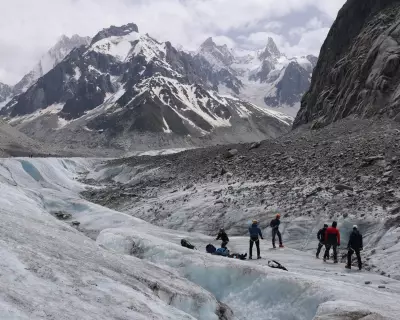
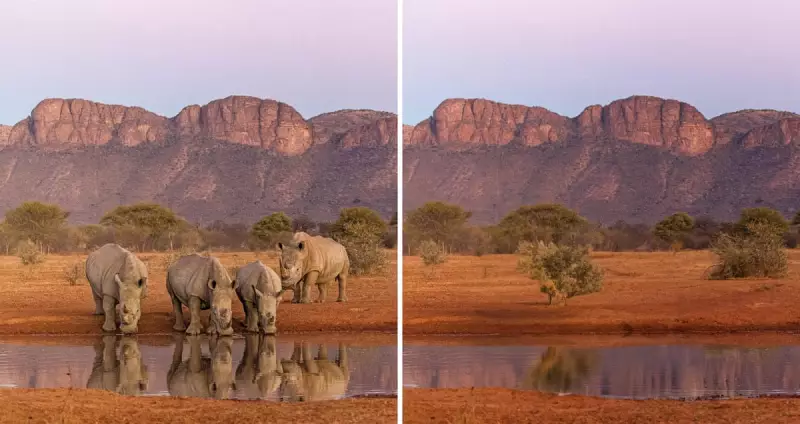
In a sobering revelation that should alarm nature lovers everywhere, one of the world's most respected wildlife photographers has issued a dire warning: our planet's landscapes are rapidly emptying of wild animals.
The Silent Forests and Empty Plains
After decades documenting wildlife across continents, the photographer describes witnessing a disturbing transformation. "We're entering an era where children might grow up never seeing many species that were common just a generation ago," he states, his words carrying the weight of firsthand observation.
The evidence isn't just in remote wilderness areas but increasingly in familiar British countryside where once-common species are becoming rare sightings.
A Global Pattern of Disappearance
The crisis extends far beyond individual species decline. Entire ecosystems are showing signs of collapse, with the photographer noting:
- Forests that once teemed with life now standing silent
- Grasslands that appear lush but lack the animals that should inhabit them
- Marine environments where colourful fish populations have dramatically dwindled
- Bird populations that have declined so significantly their absence is noticeable
Beyond the Charismatic Megafauna
While the loss of large, iconic animals captures headlines, the photographer emphasises that the problem runs much deeper. "It's the insects, the small mammals, the birds - the foundation of our ecosystems - that are disappearing at an alarming rate," he explains.
This silent disappearance of smaller species has cascading effects throughout food chains, ultimately impacting the larger animals that depend on them.
A Call to Action Through Imagery
The photographer believes that visual evidence of this decline might be what finally moves the public and policymakers to action. "When people see photographs of what we're losing, it becomes real in a way that statistics cannot convey," he argues.
His work now serves not just as art but as documentation of a disappearing world - a visual record of what stands to be lost if urgent conservation measures aren't implemented globally.
The message is clear: the time for passive observation has passed. Without immediate and concerted action, we risk leaving future generations with landscapes that are beautiful but barren - scenic photographs without the living subjects that make them truly come alive.