US Judge to Rule on Tyre Chemical's Impact on Endangered Salmon
A landmark legal case in San Francisco, California, could set a precedent for environmental protection worldwide, as a district judge deliberates whether a chemical additive in tyres is responsible for mass deaths of vulnerable salmon populations. The trial, which concluded last week after three days of testimony, pits west coast fishers and conservationists against major US tyre manufacturers, alleging that 6PPD, a substance used to prevent tyre degradation, is polluting waterways and killing fish like coho salmon.
The Mystery of Urban Runoff Mortality Syndrome
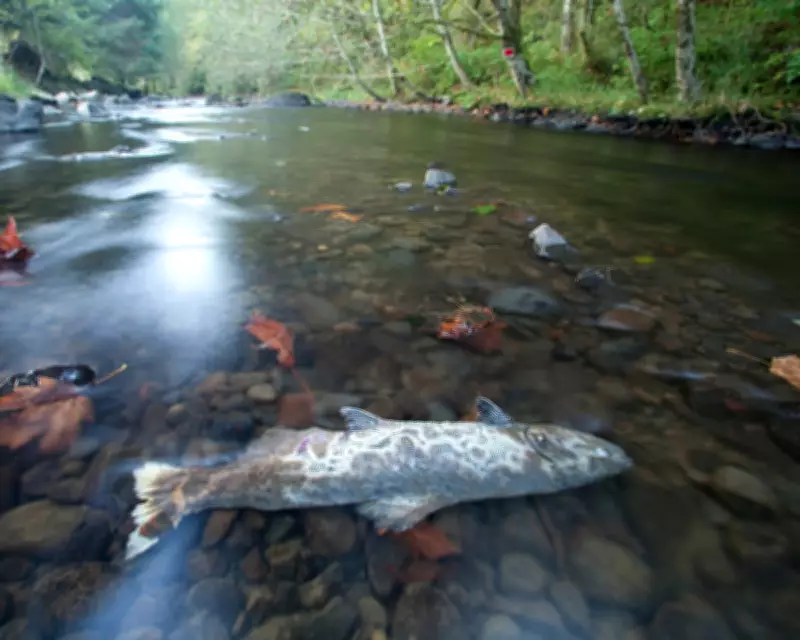
For decades, scientists were baffled by the sudden deaths of endangered coho salmon in the Pacific north-west, particularly after heavy rainfall. The fish exhibited distressing symptoms, such as swimming in circles and gasping for air, before perishing—a phenomenon dubbed "urban runoff mortality syndrome." In 2020, a breakthrough study published in Science by researchers from Washington State University identified the likely culprit: 6PPD-quinone (6PPD-q), a toxic byproduct formed when 6PPD in tyres oxidises and leaches into rivers and streams during storm runoff.
Who Brought the Case and What's at Stake?
The lawsuit was filed by the Institute for Fisheries Resources (IFR) and the Pacific Coast Federation of Fishermen’s Associations (PCFFA), represented by the environmental group Earthjustice. These organisations argue that the health of salmon populations is crucial for the livelihoods of fishers, and that tyre companies are violating the Endangered Species Act by harming 24 protected fish species. Glen Spain, general legal counsel for the IFR and PCFFA, stated, "The use of 6PPD in tyres has been shown to harm vulnerable salmon populations. Whether or not this should continue will be up to the court."

Key Testimony and Scientific Disputes
During the trial, Edward Kolodziej, a co-author of the 2020 study, testified as a primary witness for the fishers. He explained that tyres are the main source of 6PPD-q in waterways, with road runoff containing high concentrations. Shockingly, he claimed that just four tyres could produce enough 6PPD-q to kill over 11 million salmon after interacting with ozone. His testimony included a video showing a salmon in distress, highlighting the chemical's lethal effects.
However, not all scientists agree. Defence witness Tiffany Thomas, a consultant from Exponent, argued that the plaintiffs' findings are based on laboratory conditions and are "limited and speculative." She noted that 6PPD-q degrades quickly and may react with other chemicals before reaching salmon habitats, questioning the reliability of data linking it to fish deaths in real-world settings.
Tyre Companies' Defence and Future Implications
In response, tyre company spokesperson Sam Singer emphasised that 6PPD is "critical for tyre safety," preventing cracking and degradation, with no suitable alternative currently available. He also raised doubts about whether the chemical even reaches fish habitats in the locations cited in the complaint. Singer added, "The tyre companies remain committed to working with regulators and are actively participating in regulatory processes to identify a viable alternative to 6PPD. Any alternative must meet established standards for safety."
This case could have far-reaching consequences, potentially influencing global regulations on tyre additives and pollution control. If the judge rules in favour of the fishers, it may spur stricter environmental standards and increased scrutiny of industrial chemicals worldwide.