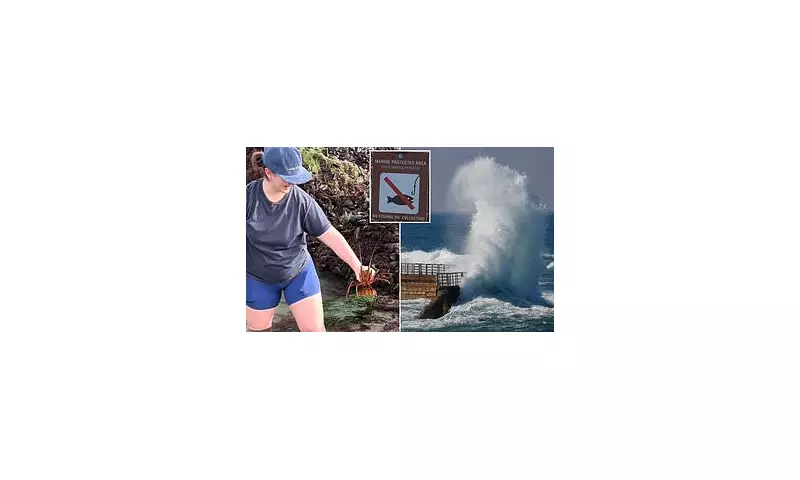
Thoughtless tourists have caused significant harm to fragile marine animals after flocking to a San Diego beach to witness a rare natural phenomenon. The incident, which saw visitors illegally handling protected wildlife, occurred during the recent King Tides event.
What are King Tides?
The spectacle began on New Year's Day, drawing hundreds of onlookers to the La Jolla coastline. King Tides are exceptionally high tides that occur around three or four times annually in California, according to the National Ocean Service. They typically happen during a new or full moon when the moon is closest to Earth.
As the massive tides recede, they leave behind vibrant tidal pools teeming with marine life, offering a rare, close-up view of creatures like lobsters, starfish, and sea hares. However, last week's event took a destructive turn.

Illegal Handling and Disturbance
Wildlife ambassador Savannah Ekelem reported that eager tourists swarming the beaches were seen illegally handling the creatures. In video footage shared online, people were observed picking up lobsters and starfish from the delicate tidal pools.
"I saw people taking animals in marine protected areas, putting them in buckets and handling them inappropriately," Ekelem told NBC San Diego. She claimed some visitors placed the terrified creatures into buckets and nets, ripping them from their tranquil habitats.
This activity is strictly prohibited. La Jolla is a marine protected area under California State Law. Signs leading to the beach clearly state: 'No person shall disturb or take any plant, bird, mammal, fish, mollusk, crustacean or other marine life.'
Serious Legal and Ecological Consequences
The consequences for such actions are severe. Fines for wildlife protection violations start at $5,000 and may include jail time. The California Department of Fish and Wildlife enforces the Marine Life Protection Act, which aims to protect marine ecosystems' natural diversity and integrity.
According to the National Marine Sanctuaries, touching wildlife can be fatal for sea creatures. Human interference disrupts natural feeding, breeding, and sheltering processes. Even seemingly robust creatures like coral can break or die if touched.
"The creatures themselves are [already] dwindling in numbers," Ekelem explained to NBC7. "Due to all this, it will take time to regenerate." The fragile ecosystems in these tidal pools require protection from such harmful interference.
The Daily Mail has contacted the San Diego Parks Department for comment on the incident.