As the festive season winds down, many across the UK may be looking at a new bird feeder received as a Christmas gift and pondering its safety. With the RSPB's annual Big Garden Birdwatch fast approaching, ensuring your garden setup is secure for feathered visitors is more crucial than ever.
Bird Feeders to Avoid for Garden Safety
Hayley Willmington, Head of Buying and Merchandising at the RSPB, has issued clear guidance on features and products that could pose a risk. The charity advises steering clear of feeders that are difficult to dismantle or clean, especially those requiring extra tools. This can hinder essential hygiene practices.
Other hazards include feeders with sharp edges or gaps on perches, which could injure birds. The RSPB also warns against using suet presented in netting, as birds' beaks or feet can become trapped. Furthermore, flat feeding surfaces, including traditional bird tables and trays beneath hanging feeders, should be used with caution due to disease risks.

"There is evidence to suggest that damp food on flat feeding surfaces like bird tables can increase the risks of spreading disease among some garden birds," the RSPB states.
Choosing and Using the Right Bird Feeder
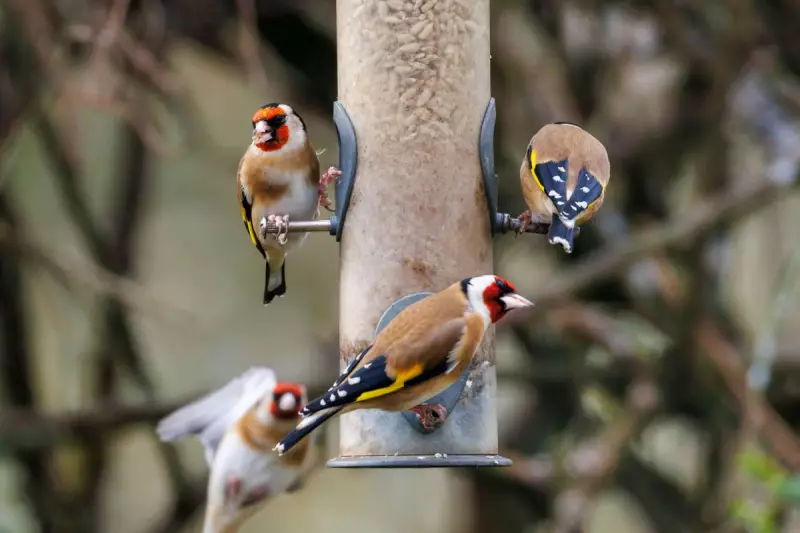
For a safe and effective setup, hanging feeders are highly recommended, particularly for smaller gardens or balconies. When selecting one, prioritise construction that promotes cleanliness. Opt for non-porous materials like glazed ceramic, plastic, or powder-coated metal, and ensure the feeder can be taken apart by hand for weekly scrubbing.
Design is key for bird health. Look for features that keep out damp, such as good ventilation, waterproofing, and drainage. Inspect perches to ensure they are comfortable and free of sharp edges.
Critical Hygiene and Placement Tips
Maintaining cleanliness is non-negotiable. The RSPB advises a strict routine:
- Clean feeders with a 5% bleach solution at least every week.
- Only provide enough food to be eaten within 48 hours to prevent mould and contamination.
- Clear up dropped seed regularly and rotate feeder positions to avoid a build-up of debris and droppings.
- Replace water in bird baths daily.
Placement is equally important for safety. Spread feeders out to prevent overcrowding and place them high enough to evade ground predators. Ideally, position them a couple of metres from dense cover like bushes, giving birds a quick escape route from aerial threats.
With registration now open for the Big Garden Birdwatch, which takes place from January 23 to 25, 2025, these steps will help ensure your garden is a safe haven for the hundreds of thousands of birds counted in the world's largest garden wildlife survey.