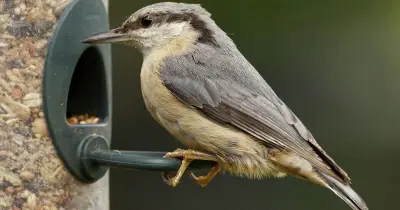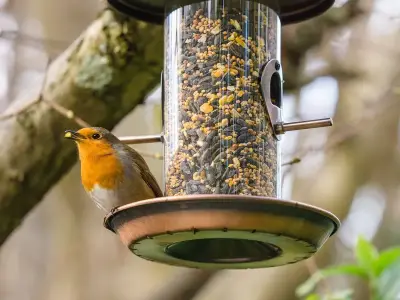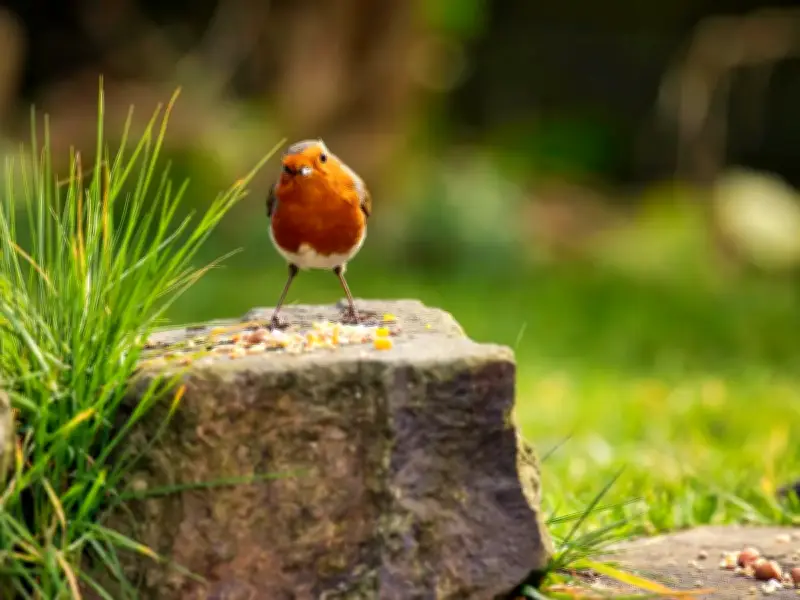
Leftover pumpkin seeds from Halloween carvings can be used to attract birds back to your garden, according to Emily Green, home and garden maintenance expert at Howarth Timber. The seeds, often thrown away after carving, can be prepared and offered to birds as a food source.
Preparing Seeds for Birds
Green advises starting by rinsing off any remaining pumpkin flesh, then spreading the seeds out and allowing them to dry thoroughly. Once dry, she recommends crushing them into smaller pieces so they are easier for birds to eat.
For those who enjoy DIY, Green suggests using spare timber to create a simple bird-feeding station. This involves securing a small wooden platform to the top of a sturdy wooden post using outdoor screws, then fixing the post firmly into the ground in a sheltered spot. A removable feeding tray can be placed on top to hold the seeds.
Maintaining the Feeding Station
Green emphasises the importance of regularly cleaning the tray and removing any uneaten seeds, particularly during wet weather, to prevent food from becoming damp or mouldy.
Growing and Composting Seeds
Beyond feeding birds, pumpkin seeds can be saved and grown afresh in spring. Green explains that rinsing the seeds to remove leftover flesh, spreading them out, and leaving them to dry completely is a simple way to make use of something that would otherwise end up in the bin. Once dry, they can be stored in a paper envelope somewhere cool and dry until planting time.
For those planning to grow pumpkins, Green recommends preparing a dedicated space in the garden. A wooden raised bed can help keep the growing area separate from the rest of the garden, making it easier to maintain and preventing plants from taking over flower beds or other areas.
For gardeners without sufficient space, the seeds can be added to a compost heap, along with the remaining pumpkin flesh once the season draws to a close. Green advises crushing the seeds before adding them to reduce the chance of them sprouting in the compost. They can then be mixed with other garden waste, such as fallen leaves, grass cuttings and small pieces of cardboard.
A compost bin is particularly useful for keeping this waste contained, rather than leaving piles of garden debris exposed to the weather. It can also make it easier to manage garden waste throughout autumn and keep the outdoor space looking tidy.