Discovery of a New Deadly Box Jellyfish Species in Western Australia
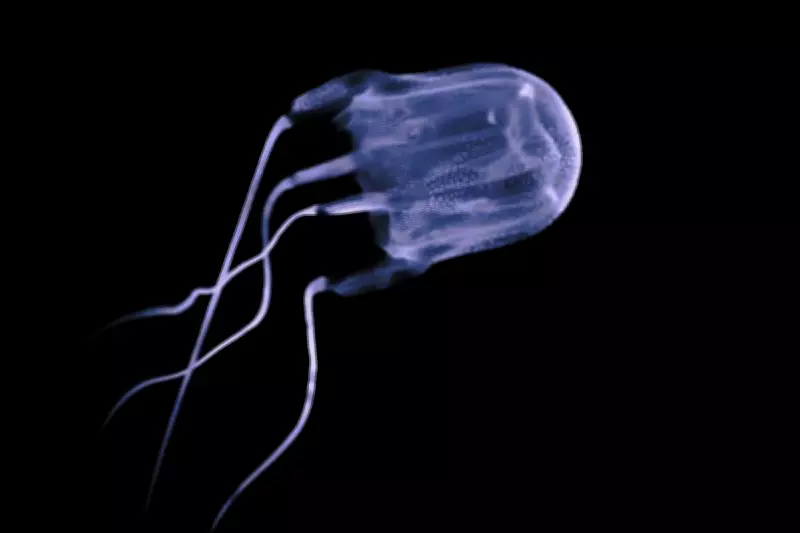
A significant marine discovery has been made off the coast of Western Australia, where a swarm of nearly 100 box jellyfish, believed to be a new species, has been observed. The sighting occurred in the Pilbara region, approximately 1,530 kilometres north of Perth, stunning experts with its implications for marine science.
Characteristics and Identification of the Jellyfish
The jellyfish are described as soft, white, and translucent, differing from the typical box jellyfish found in northern Australian waters, such as the Chironex fleckeri, which have rounded, cube-shaped bodies and long venomous tentacles. Dr Lisa-ann Gershwin, a leading jellyfish taxonomist in Australia, commented to ABC News, stating, "This one we've thought about for a while is probably new to science." The species has not yet been formally named or classified, highlighting the novelty of this find.
Eyewitness Accounts and Historical Context
Dampier port worker Ben Walkington reported seeing these jellyfish, noting that while he encountered box jellyfish in his youth, this was the first time in a long period he had observed this particular kind. He remarked, "It's not ideal," reflecting concerns about their presence. Box jellyfish are among the deadliest invertebrates globally, with records showing nearly 80 fatalities from stings in Australia since documentation began.

Dr Gershwin suggested that the Pilbara jellyfish likely differ from those in the Northern Territory and Queensland. In a tragic incident in March 2021, an Australian teenager became the first person to die from a box jellyfish sting in 15 years, marking the first recorded fatality since 2006.
Venom and Dangers Posed by Box Jellyfish
The venom of box jellyfish contains potent toxins that target the heart, nervous system, and skin. Each tentacle, which can extend up to 10 feet in length, is equipped with approximately 5,000 stinging cells. The sting is excruciatingly painful, often causing swimmers to go into shock, drown, or suffer heart failure before reaching safety.
Scientific Observations and Unusual Nature of the Sighting
Dr John Keesing, a scientist from the Commonwealth Scientific and Industrial Research Organisation, told the ABC, "They do occur as far south as Exmouth, but to get reports of large numbers of them is unusual." This statement underscores the rarity of such a massive swarm in this location, prompting further investigation into marine ecosystems and species distribution.