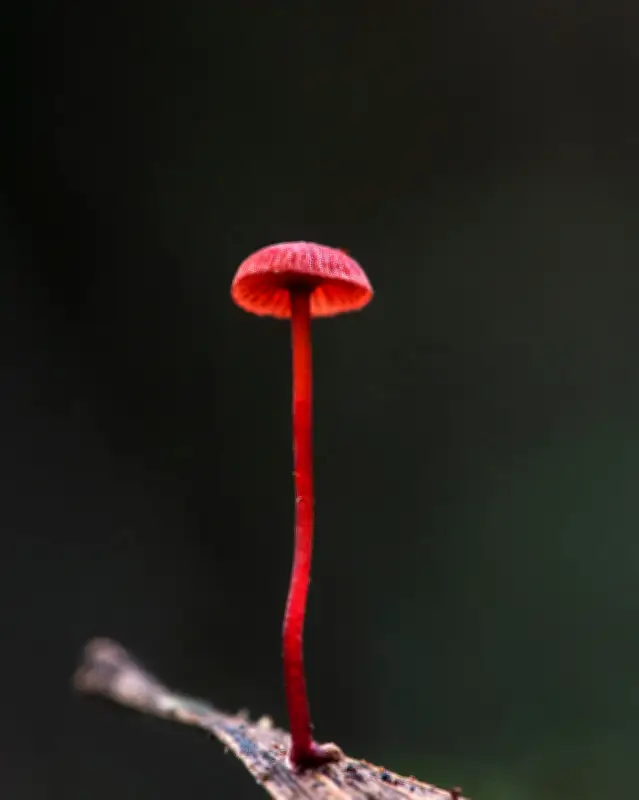
In the heart of Tasmania's Takayna/Tarkine, Australia's largest cool temperate rainforest, a group of toxicologists, botanists, ecologists, and one journalist gathered for a three-day fungi workshop led by mycologist Dr Alison Pouliot. The landscape, home to freshwater crayfish nearly a meter long and 2,000-year-old Huon pines, has sheltered astonishing creatures for 65 million years. Yet fungi, which helped create conditions for complex life on Earth, are among the most fascinating and ancient life forms here.
Fungi as Ecosystem Engineers
"People often say that fungi grow in the forest," Pouliot told the group as they inhaled cool air scented with sassafras. "But there wouldn't be a forest without fungi. Fungi are the ecosystem engineers that created the foundation for the forest." Long classified as plants, fungi were granted their own kingdom about 50 years ago but remain understudied. Researchers estimate 2 to 3 million species exist, with just over 205,000 identified. Mushrooms are merely the visible part of organisms connected by vast underground mycelium networks—totaling 100 quadrillion kilometers—that form symbiotic relationships with up to 70% of plant species.
Diverse and Charismatic Species
During foraging trips from Corinna Wilderness Village, a converted eco village in a former mining town, the group explored the Pieman River's tannin-stained waters and ancient forests. They spotted delicate blue pixie's parasols (Mycena interrupta), which Pouliot called "probably the most charismatic species here," with darker blue centers resembling irises. Ruby bonnets (Cruentomycena viscidocruenta) dotted the forest floor like bright red berries, while slime-covered earth tongues, giant bracket fungi the size of dinner plates, and echidna fungi with thousands of spiky teeth beneath their caps amazed participants.
Incredible Density and Diversity
The density of fungi was staggering; the group often covered less than 200 meters per hour. "It's hard to believe there's so much diversity in a tiny space," said Liz Davis, a workshop attendee from Orange who has foraged for 30 years and founded the Mycology May festival in regional New South Wales. "Fungi hunting anywhere else is never going to compare." Pouliot noted that because much fungal life remains invisible underground, visitors could return 100 times and still find different species each visit.
Fungi's Role in Ecosystems
Pouliot's interdisciplinary approach explored fungi's vital roles in ecosystems and environmental restoration. The group listened to Sylvia Plath's poem "Mushrooms," took sporeprints to create photonegative imprints of mushroom undersides, and examined how language affects perceptions of fungi—questioning why love "blooms" but crime "mushrooms." Fungi make up to 90% of the diet of some native marsupials on mainland Australia, and a single eucalyptus tree can host hundreds of fungal species on its roots.
Global Significance and Conservation
Despite their importance, fungi remain undervalued. There is no agreed collective noun for fungi (as opposed to mushrooms). Every year, fungi worldwide produce over 50 million tonnes of spores. The pagoda fungus (Podoserpula pusio) has tiered caps that maximize spore dispersal efficiency. As the workshop concluded, participants felt "fungally infected" with appreciation for these architects of the rainforest. Reflecting on Plath's poem, which celebrates fungi's resilience and strength as a metaphor for gender equality, the group recognized their own bountiful inheritance of fungi.