The Zoological Society of London (ZSL) is celebrating its bicentenary with a year-long programme of events, highlighting London Zoo's deep roots in British culture and the Royal Family. From Queen Victoria to King Charles, the zoo has enjoyed royal patronage for nearly two centuries.
First Female CEO Takes the Helm
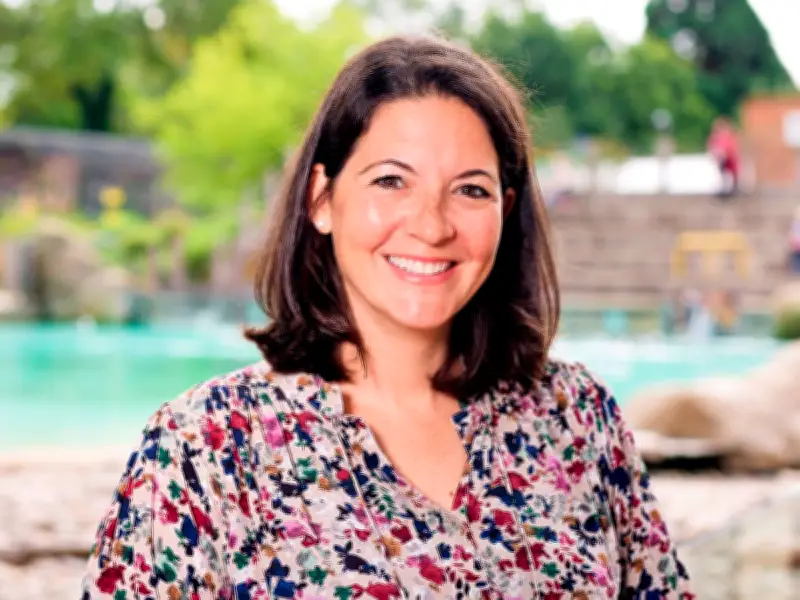
Kathryn England, the first woman to lead ZSL in its 200-year history, describes her role as a "dream job." Her passion for wildlife began in childhood, when she created a hospital for ladybirds. She follows in the footsteps of Charles Darwin, who became a ZSL fellow in 1839. "London Zoo is iconic and very special," England said. "We’re woven into the fabric of society, whether through people visiting and making memories, our global conservation work, or our presence in film, art and literature."
From Royal Menagerie to Scientific Zoo
ZSL was founded in 1826 and acquired land in Regent's Park to create the world's first scientific zoo, which opened in 1828. Initially restricted to society members, it opened to the public in 1847. King William IV became the first patron in 1831, moving the Royal Menagerie from the Tower of London. King Charles is now patron. Queen Victoria was an ardent fan, and her reign saw the arrival of Obaysch the hippopotamus in 1850—the first hippo seen in Europe since Roman times. In 1865, Jumbo the elephant arrived, then the largest animal ever seen in Britain. His sale to P.T. Barnum's circus in 1882 sparked public outcry and appeals to the Queen.
Winnie the Pooh and Cultural Icons
Winnie, an American black bear deposited at the zoo by a Canadian soldier during World War I, inspired A.A. Milne's Winnie the Pooh stories after Milne and his son Christopher visited. The zoo has also featured in Harry Potter, with Daniel Radcliffe filming a scene in the Reptile House for Harry Potter and the Philosopher's Stone (2001). Harry Styles filmed part of his "As It Was" music video at the Lubetkin Penguin Pool in 2022. A Komodo dragon named Raja served as the model for reptiles in the James Bond film Skyfall. Sir David Attenborough began his television career at the zoo in 1954, filming Zoo Quest.
Conservation Success Stories
England emphasises the zoo's impact beyond entertainment. "People come and have a great time, but I am hugely proud of our role in conservation and work with species that are extinct in the wild," she said. Recent successes include the Scimitar horned oryx, which was extinct in the wild due to hunting but has been reintroduced thanks to ZSL experts. The tiny Partula snail, critical to tropical forest ecosystems, has been bred in thousands and reintroduced to French Polynesia. Darwin's frog, threatened by a fungus in Chile, was rescued and is now breeding at London Zoo. "That's a real world impact and a full circle moment, as Charles Darwin was a Fellow of ZSL in 1837," England noted.
War and Resilience
During World War II, the government ordered the zoo's closure on the first day of the war. Valuable animals were moved to Whipsnade Zoo in Bedfordshire, which opened in 1931. All venomous animals were euthanised to prevent escape if bombed. The zoo reopened later in September 1939 and remained open throughout the war. A public appeal invited adoptions—a dormouse cost a shilling a week to feed in 1940, while a sea lion cost more than £1. Camels and llamas were used to carry fodder to save petrol.
Relevance in the 21st Century
England counters criticism of zoos, arguing they are essential. "There is definitely a role for good, active conservation zoos," she said. "As the world becomes more digitised and removed from the natural world, it’s never been more important to know the value of wildlife." Her most memorable moment was watching vets perform life-saving surgery on a gorilla. "To see those incredible fingerprints, the fingernails, the chest going up and down—it will stay with me forever."
Bicentenary Celebrations
To mark the anniversary, the Royal Mint has released a commemorative coin, ZSL has launched a podcast with Ben Fogle, and a mosaic has been unveiled honouring pioneering reptile vet Joan Beauchamp Procter. The zoo houses nearly 9,000 animals and has unveiled plans for a new wildlife health centre. Visitors who book general admission tickets online by 2 September 2026 can claim a free return visit to London Zoo or Whipsnade Zoo up to 16 October 2026.