New Zealand's 'Smelly' Flightless Parrot Defies Extinction Odds
Conservationists in New Zealand have achieved a remarkable victory in their long battle to save the kakapo, the world's only flightless parrot, from disappearing forever. This unique nocturnal bird, once deemed a biological paradox due to its heavy weight, slow movement, and vulnerability to predators, is now showing promising signs of recovery after decades of dedicated effort.
From Near Extinction to Population Growth
Over the past thirty years, the kakapo population has soared from a perilous low of just 50 individuals to more than 200, marking a significant triumph for biodiversity. This year offers particular hope, with an abundance of the parrot's favourite rimu tree berries sparking unusual mating enthusiasm. Conservationists are now anticipating a record number of chicks in February, which could solidify the kakapo's escape from what was once thought to be inevitable extinction.
Living exclusively on three tiny, remote islands off New Zealand's southern coast, sightings of these rare birds in the wild remain exceptionally uncommon. However, one kakapo named Rakiura has recently captured global attention through a livestream of her underground nest, where a chick was expected to hatch this week.

The Peculiar Characteristics of the Kakapo
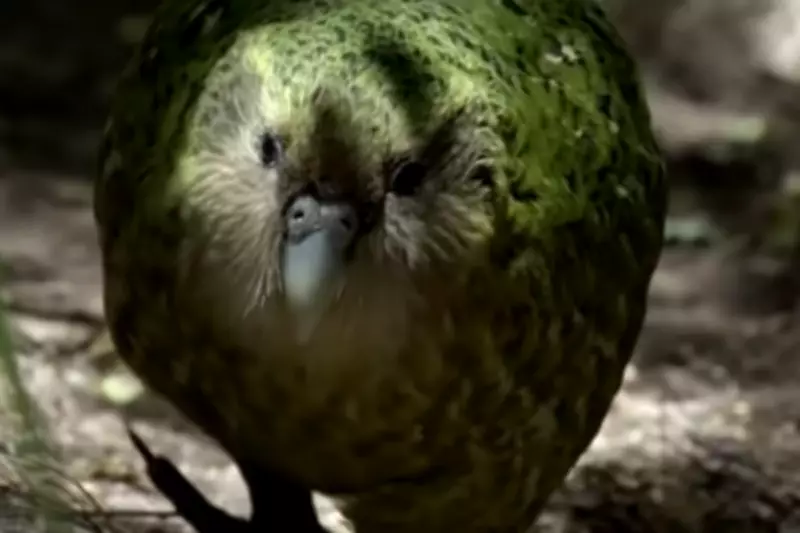
The kakapo is a majestic creature that can live for 60 to 80 years, but it is undoubtedly strange in appearance. These birds can weigh over 3 kilograms (6.6 pounds), with owllike faces, whiskers, and mottled green, yellow, and black plumage that mimics dappled light on the forest floor where they reside.
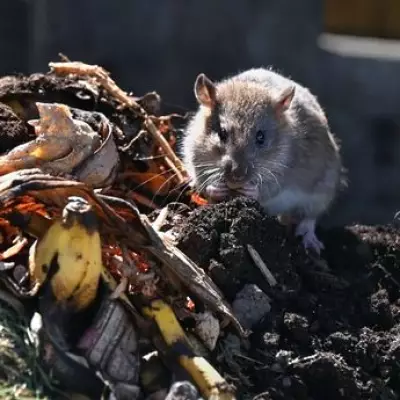
"Kakapo also have a really strong scent," said Deidre Vercoe, operations manager for the Department of Conservation's kakapo program. "They smell really musky and fruity — a gorgeous smell." This pungent aroma proved disastrous when humans arrived in New Zealand centuries ago, as it made the birds easy targets for introduced predators like rats, dogs, cats, and stoats, alongside hunting and habitat destruction.
By 1974, no kakapo were known to exist, but a new population was discovered in the late 1970s, sparking renewed conservation efforts.
Challenges in Breeding and Conservation
Reversing the kakapo's fortunes has not been simple. One major hurdle is their peculiar breeding cycle, with years or even decades passing between successful clutches of eggs. A breeding season only occurs every two to four years, triggered by bumper crops of rimu tree fruit, which last happened in 2022.
"They're probably up there in the canopy assessing the fruiting," Vercoe explained. "When there's a large crop developing, they somehow tune into that." During breeding, male kakapo emit deep booming sounds followed by "chings" from dug-out bowls in the ground to attract females, who then raise chicks alone.
Quadrupling the population has required relocating the birds to predator-free offshore islands and micromanaging their romantic entanglements to preserve genetic diversity. Each bird is named and monitored with a backpack tracker, as they are nearly impossible to find if they vanish.
A National Duty to Save Unique Birds
The painstaking work to preserve the kakapo might seem odd to outsiders, but in New Zealand, where the only native land mammals are two types of bat, birds have become beloved national symbols. "We don't have the Eiffel Tower or the pyramids, but we do have kakapo and kiwi," Vercoe said. "It's a real New Zealand duty to save these birds."
With the kakapo still critically endangered, conservation efforts are unlikely to end soon, though hands-on management is being eased each breeding season. The species' survival remains precarious, as seen with Rakiura's eggs being exchanged for fakes for indoor incubation, but the ongoing dedication offers a beacon of hope for this unique parrot.