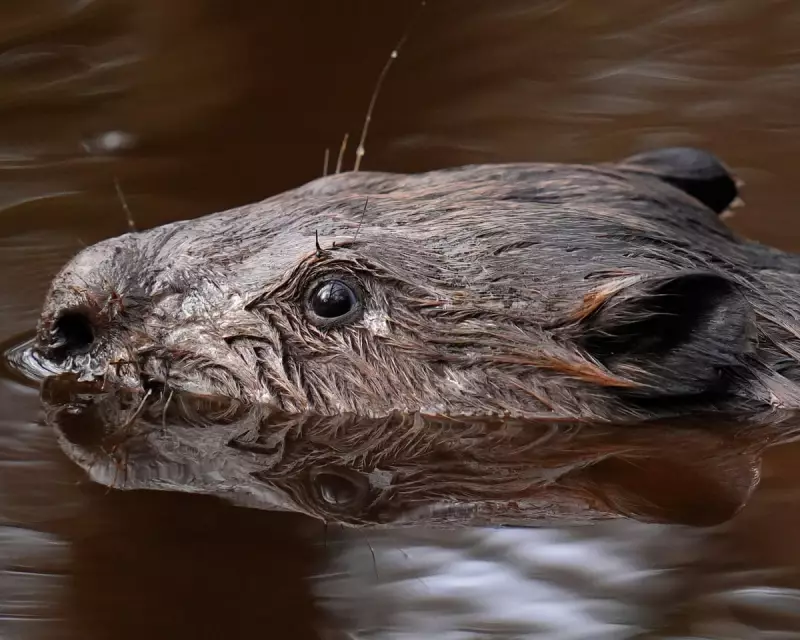
A clandestine conservation movement, known as "beaver bombing", is reshaping ecosystems across Europe, including in the UK, as frustrated individuals bypass official channels to reintroduce species themselves. This act of environmental civil disobedience, ongoing for around 25 years, is forcing a major conversation about who gets to decide the future of our native wildlife.
The Rise of Rogue Reintroductions
The recent appearance of a wild beaver in Norfolk for the first time in 500 years, and multiple sightings in Berkshire, are not isolated incidents. According to experts Professor George Holmes and Gabriel Rowland from the University of Leeds's School of Earth and Environment, these are part of a coordinated, if illicit, pattern. People disillusioned by what they perceive as slow and costly bureaucratic processes for species reintroduction are taking matters into their own hands.
This phenomenon extends far beyond beavers. There is compelling evidence that other species, including pine martens, polecats, wildcats, and various amphibians and butterflies, have been secretly released across the UK without consulting the relevant authorities. While Scotland mandates licences for such releases, the rules are more lenient in other UK nations, where only a handful of species, beavers among them, require a permit for wild release.

A Genetic Trail Back to Bavaria
One of the most intriguing findings links many of these new beaver populations across the continent. Genetic analysis shows that beavers suddenly appearing in Britain, Spain, Belgium, and Italy can all be traced back to a source population in Bavaria. This provides strong evidence for coordinated or similarly sourced unofficial releases, rather than natural migration.
Proponents of these actions see them as a direct and effective method to restore lost biodiversity, cutting through red tape. However, the conservation establishment views them with significant concern. Illicit releases can potentially introduce diseases into vulnerable ecosystems and disrupt local ecologies in unpredictable ways. Furthermore, there is often heated debate about whether a released species was ever truly native to a specific area.
Who Decides What Belongs?
The core issue raised by "beaver bombing" is fundamentally about governance and ecology. As Holmes and Rowland argue, these illicit releases must be included in the broader public and scientific dialogue. The central questions are: which species truly belong in the UK's modern landscape, and who has the right to make that decision? Is it government agencies, scientific bodies, or does the public, through direct action, have a role?
The debate pits a top-down approach, framed by experts as necessary ecological safeguarding, against a grassroots movement driven by passion and impatience. As beavers and other species continue to appear in unexpected waterways and woodlands, this conflict between formal conservation policy and environmental activism is likely to intensify, demanding new conversations about rewilding, responsibility, and the future of British ecosystems.