
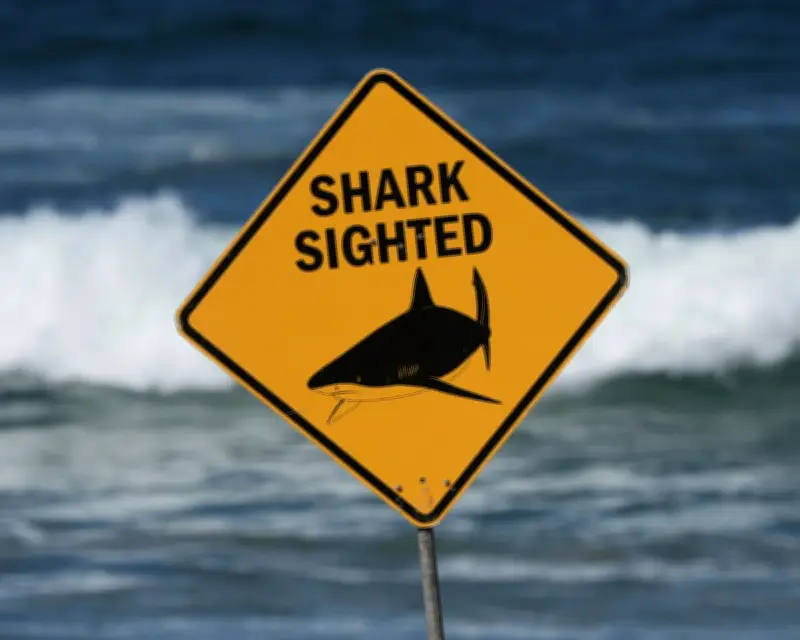
Half of all fatal shark attacks happen in Australia. How can you protect yourself – and do electronic deterrents work?
From shark bite-resistant wetsuits to wearable devices, experts say there are ways to reduce your risk in the ocean. Many Australian swimmers and surfers are feeling hypervigilant about the ocean after a shark attack off a Sydney beach that has left a woman with critical injuries.
Each year about 16 million Australians visit the coast, and about 42% enter the water, according to Surf Life Saving Australia data. Although rare, shark bites can have devastating consequences, with bull, tiger and white sharks responsible for the most serious bites and fatalities. Last year, about a third of unprovoked shark bites globally occurred in Australia, and half of shark-related fatalities, according to Florida Museum of Natural History data.
Why do sharks bite humans?
Bites occur for a range of reasons, including cases of mistaken identity, says Prof Culum Brown from Macquarie University. White sharks often rely on silhouettes and when they look up and they see a surfboard it looks a lot like the silhouette of a seal. At other times, it’s curiosity. Juvenile sharks are inquisitive and always hungry. The way they explore the world is by going around biting things to figure out if they can eat them or not. Unfortunately when a big shark like that has a little nibble as a taste test, it can be fatal. Bites can also be defensive, he says, and can occur if scuba divers or spear fishers accidentally annoy them, corner them or take their food. There are more than 40 different factors thought to influence when and why bites occur, including human and shark populations, environmental conditions, prey availability and mitigation measures.
Do personal shark deterrent devices work?
Prof Charlie Huveneers, who leads the Southern Shark Ecology Group at Flinders University, told ABC Radio National the first line of defence is to reduce the overlap between sharks and people. Measures such as drones, shark-listening stations and Shark Management Alert in Real Time (Smart) drum lines can intercept sharks or enable near real-time notifications when sharks are present, enabling swimmers and surfers to leave the water if needed. The next step, if you can’t avoid the overlap, would be to try to reduce the likelihood of a bite from occurring, and that’s where these personal deterrents can be very useful.
There are a number of commercially available deterrent devices, but only some are effective at stopping a shark from approaching. Electric deterrents produce a strong, electrical pulse that disrupts the shark’s electrosensory systems, which they use to navigate and locate prey in the water. There are different designs for surfers, swimmers and snorkellers. Research trials have shown that one device reduced the likelihood of interactions from tiger, bull and white sharks by about half. The company has since gone into liquidation. There are numerous types of personal deterrent devices on the market, ranging from bands and surf wax to wetsuit designs. Only a handful have been independently tested and none provide guaranteed protection from shark bites. The Western Australian government offers a $200 rebate for approved personal deterrent devices, as part of a state-wide strategy that also includes beach enclosures, shark tagging and surveillance and rapid response.
Do shark bite-resistant wetsuits work?
While they don’t prevent human-shark interactions, some bite-resistant wetsuit materials – strengthened with Kevlar or sailing rope fibres – could help reduce the consequences of bites by limiting wounds and blood loss. One study testing these materials in the wild – with white sharks in South Australia’s Spencer Gulf and tiger sharks off Norfolk Island – found that while internal and crushing injuries could still occur, bite-resistant wetsuits could reduce the severity of damage from major lacerations and punctures, potentially saving lives. A lot of the teeth on white sharks and tiger sharks have really sharp, pointed edges and serrated edges, and that’s where a lot of the damage from bites occurs, says Flinders University co-author Dr Tom Clarke. The material itself stops the tooth from puncturing through the material. There’s still likely to be some crushing injuries and internal injuries that may occur if a bite does happen. Two of the materials tested are already being used in some commercially available wetsuits.
What happens after a person is bitten by a shark?
Shark bite kits have been distributed to 129 Surf Life Saving clubs across NSW for lifesavers and members of the public to use in the event of a shark bite. The kits, which include a tourniquet, blanket, dressings, bandages and instructions, are designed to help control bleeding before emergency services arrive. Volunteer surf lifesavers are in most instances the first emergency service responding to shark bite incidents and so we are always looking to introduce improvements in equipment and responses to support our protection of those community members visiting the coastline, said Surf Life Saving NSW chief executive, Steve Pearce, when announcing the step back in April.
How else can swimmers avoid shark encounters?
Around Australia, authorities have a common set of guidelines for swimmers to help lower their risk of shark bites: Stay close to shore. Swim between the flags in patrolled areas. Swim with other people. Avoid swimming around dusk and dawn when shark activity is generally higher. Stay away from areas used by recreational or commercial fishers. Avoid swimming in river mouths, estuaries and murky waters as well as after heavy rainfall. Don’t swim with your pets. While current mitigation measures can reduce risk, none (aside from well-maintained enclosures) completely eliminates it, Huveneers says. Combining area-based approaches with personal deterrents, injury-reduction material and improved first aid and education would be the most efficient way to reduce the risk and consequences of shark bites.




