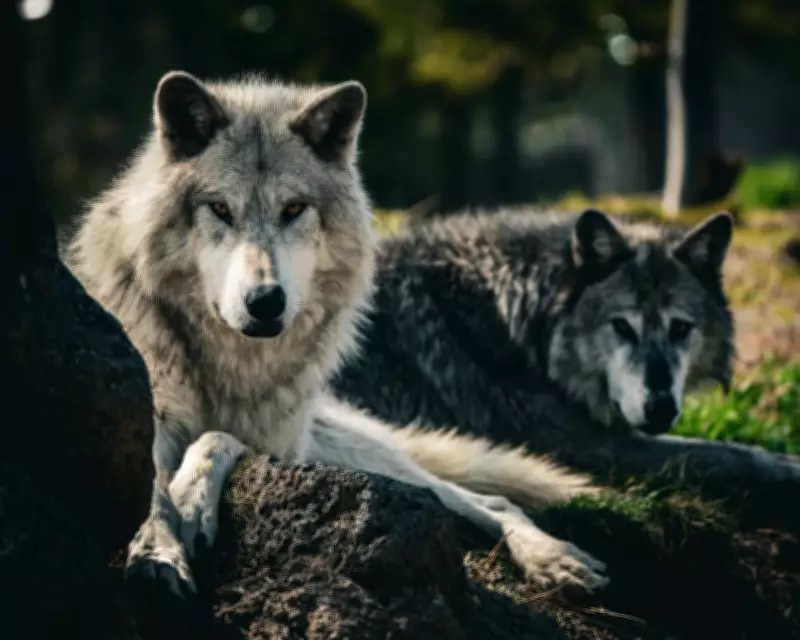
Gray Wolf Makes Historic Appearance in Los Angeles County
In a remarkable wildlife event, a gray wolf has been officially confirmed in Los Angeles County, California, for the first time in more than 100 years. This unprecedented sighting, verified by state wildlife authorities, signals a potential expansion of the species' range and has ignited widespread interest among conservationists and local residents alike.
Details of the Sighting and Historical Context
The gray wolf was detected through remote camera footage and genetic analysis, with experts identifying it as a lone individual likely dispersing from established populations in northern California or neighboring states. Historically, gray wolves were once common across much of North America, including California, but were driven to local extinction in the early 20th century due to hunting, habitat loss, and human encroachment. Their absence from Los Angeles County dates back over a century, making this recent observation a significant milestone in wildlife recovery efforts.
This sighting underscores the resilience of gray wolves and their ability to adapt to changing landscapes, even in densely populated urban areas like Los Angeles County. Wildlife officials have emphasized that the wolf poses no immediate threat to public safety, as it appears to be avoiding human contact and primarily roaming remote, undeveloped regions of the county.

Implications for Conservation and Public Response
The appearance of the gray wolf has sparked a mix of excitement and concern within the community. Conservation groups are hailing it as a positive sign of ecological restoration, highlighting the success of protective measures such as the Endangered Species Act, which has aided in the gradual recovery of wolf populations in the western United States. However, some local farmers and ranchers have expressed worries about potential impacts on livestock, though no incidents have been reported so far.
Authorities are closely monitoring the situation, urging residents to report any sightings while maintaining a safe distance. They have also launched educational campaigns to inform the public about gray wolf behavior and coexistence strategies. This event is prompting broader discussions on urban wildlife management and the balance between conservation goals and human activities in rapidly developing regions.
Looking ahead, experts suggest that this sighting could lead to more frequent wolf appearances in Southern California as populations continue to rebound. It serves as a reminder of the dynamic nature of wildlife ecosystems and the importance of ongoing conservation efforts to protect endangered species in an increasingly urbanized world.