A whimsical street sculpture in Glasgow and a passionate defence in the national press are challenging the common perception of the humble pigeon. The conversation was sparked by a letter in The Guardian championing these often-maligned urban birds.
The Glasgow Artwork: A Tribute to a City Icon
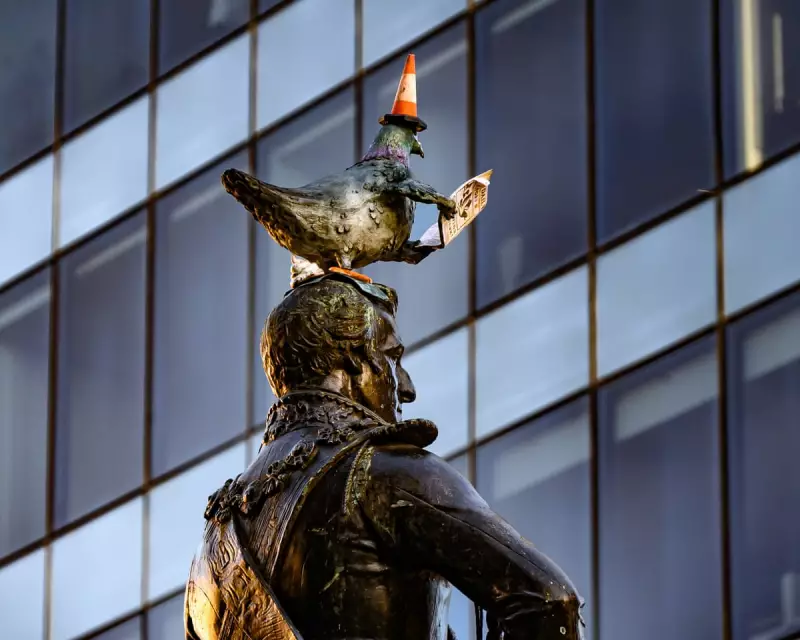
In Glasgow, a distinctive piece of street art has captured the public's imagination. Created by the anonymous artist known as the Rebel Bear, the sculpture depicts a pigeon deeply engrossed in a newspaper. In a characteristically Glaswegian twist, the bird sports a small traffic cone perched atop its head, a playful nod to the city's famous tradition of cone-adorned statues.
This artwork, photographed by Stuart Neville, celebrates the pigeon as a fixture of city life, blending humour with a subtle message of appreciation for the wildlife that thrives alongside us in urban environments.

Lockdown Companions: The Heartwarming Stories
The sculpture's sentiment is echoed in personal stories from across the UK and Europe. In his letter, Ross McQueen from Brussels described how a pair of wood pigeons on his windowsill became a source of solace during the Covid-19 lockdowns.
"During lockdown, when the outside world was scary and remote, these wood pigeons cheerfully slapped together a nest and raised two healthy chicks," McQueen wrote. He recounted the heartwarming process of watching the birds nurture their offspring from eggs to hatchlings, and then seeing the chicks take their first tentative flights.
The same pair has since successfully reared several broods on that very windowsill, leading McQueen to admire their resilience and dedication.
Unsung Heroes: The Remarkable Traits of Pigeons
Beyond the emotional connection, the letters highlight fascinating biological facts about these birds. McQueen points out that wood pigeons are believed to mate for life, only seeking a new partner if one dies. They are also unique in being the only birds that can suck up water without needing to tilt their heads back.
Their distinctive, husky "coo-coo" song is produced with their beaks closed. And despite their reputation for building notoriously slapdash nests, they excel as parents, with both male and female sharing duties in sitting on eggs and feeding their young.
From Devon, Teresa Rodrigues shared her own fondness, noting that pigeons were "the nature that is always there" during difficult times. Her admiration has even inspired a creative venture; she now makes and sells soft sculptures of pigeons, which have proven surprisingly popular.
Both correspondents were responding to an earlier article by Toussaint Douglass, who had vehemently argued that pigeons are "working-class heroes" deserving of far greater respect. Rodrigues enthusiastically endorsed this view, speculating that descendants of Mary of Exeter, a celebrated carrier pigeon awarded the Dickin Medal for bravery in the Second World War, might visit her garden.
This collective defence, from a Glasgow sculpture to heartfelt personal testimonies, paints a compelling picture of the pigeon not as a 'flying rat', but as a resilient, intelligent, and integral part of Britain's urban tapestry.