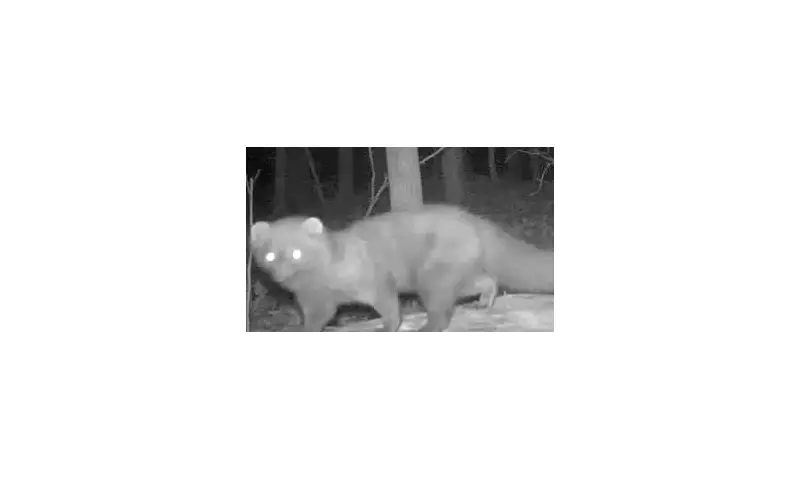
An elusive carnivore has made a historic return to northeast Ohio, with its first confirmed appearance in Cuyahoga County for nearly two centuries. A trail camera captured footage of a fisher earlier this year inside Cleveland Metroparks, park officials announced.
A Historic Wildlife Sighting
The animal was formally identified by Andy Burmesch, the park system's wildlife management coordinator. Cleveland Metroparks shared the news in a December 13 Instagram post, which included video and photographs of the creature moving through a wooded area. The post garnered tens of thousands of likes and hundreds of comments from fascinated followers.
"This is tremendously exciting, as this is yet another extirpated native Ohio mammal species to be documented for the first time in Cleveland Metroparks," the parks authority stated. They emphasised that the return of species like fishers, alongside otters, bobcats, and trumpeter swans, highlights the success of conservation work and the vital importance of healthy forests, wetlands, and natural areas.

Understanding the Fisher
Despite a common nickname, fishers are neither cats nor do they primarily eat fish. They are forest-dwelling carnivores belonging to the weasel family, closely related to martens, mink, and otters. An adult fisher typically measures 20 to 25 inches in body length, with a bushy tail adding up to 16.5 inches more. They weigh between three and 15 pounds and are characterised by long bodies, tapered faces, and rounded ears.
Their diet consists mainly of rodents and other small animals, though they also consume fruit and nuts. Primarily found in southern Canada, New England, and New York, their populations are expanding into states like Pennsylvania, West Virginia, and Virginia.
Evidence of a Growing Population in Ohio
The Ohio Department of Natural Resources (ODNR) has now confirmed more than 40 fisher sightings across several northeast Ohio counties, including Ashtabula, Geauga, Portage, and Lake. Notably, about two-thirds of these sightings have occurred within the past three years, indicating a significant increase in activity.
Wildlife experts believe Ohio's growing fisher population is likely linked to successful reintroduction programmes in neighbouring Pennsylvania and West Virginia. These efforts allowed fishers to reestablish breeding populations, which have since expanded westward into Ohio. Both Pennsylvania and West Virginia now manage regulated trapping seasons for the species.
Evidence strongly suggests these animals are not merely passing through. In a significant find, a fisher discovered dead along a roadway in Ashtabula County in 2023 was later confirmed to have been pregnant. Furthermore, another fisher struck by a vehicle near Kent in Portage County in April 2024 marked the westernmost confirmed sighting at the time and, weighing 13 pounds, was the largest specimen collected in the state.
This gradual return of a native predator after an absence of nearly 200 years stands as a promising testament to regional conservation efforts and ecosystem recovery.