
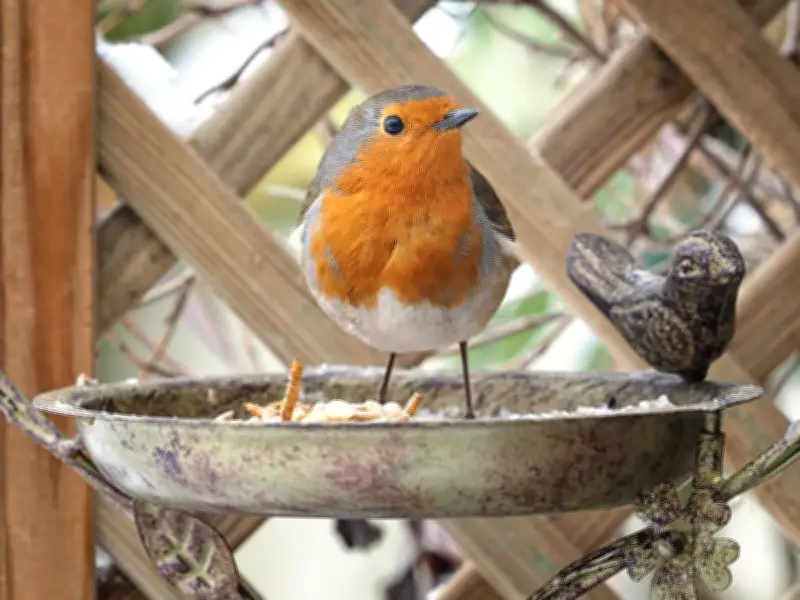
The summer months are a wonderful time to observe diverse wildlife and birds in gardens, as nesting season is now in full swing. With declining insect populations and unpredictable weather, the food sources birds rely on to feed their chicks can become limited.
Why Avoid Seeds and Peanuts?
Households are being urged to avoid offering two common ingredients to birds, as this can increase the risk of spreading a deadly disease. Trichomonosis, a fatal condition, causes severe lesions in the throat and upper digestive tract of affected birds. It most commonly affects finches—especially Greenfinches and Chaffinches—as well as pigeons and doves, leading to difficulty swallowing, lethargy, and weight loss.
The RSPB, with scientific support, previously reviewed bird-feeding methods and urged people to stop feeding seeds and peanuts to curb the disease's spread. This year, the charity recommends changes for feeding birds between May 1 and October 31, as trichomonosis spreads more easily during summer and autumn, with bird feeders acting as hotspots.
Recommended Alternatives
Instead of seeds and peanuts, households should consider two other food sources: suet and mealworms. During nesting season, birds seek high-energy foods rich in fats and protein. Mealworms serve as an excellent alternative to naturally occurring invertebrates like caterpillars, attracting robins, wrens, starlings, and more. To help young birds, the RSPB suggests soaking mealworms in water to soften them. They advise: “You can scatter a small amount on the floor but do ensure they all get eaten within one day, before dusk, to prevent any being left for Hedgehogs.”
Suet is another great choice, providing high-fat content for species like Long-tailed Tits, thrushes, Nuthatches, House Sparrows, and woodpeckers. However, during high temperatures, suet can melt and become rancid. The RSPB notes: “Our recommendation is to avoid putting out suet products that include visible whole large seeds, such as sunflower seeds, as these are more likely to attract finches.”




