Mexican long-nosed bats are embarking on longer journeys northward into the United States, driven by a critical search for their preferred food source: the sweet nectar of agave plants. This endangered species, known for its specialised tongue adapted for lapping up nectar during nocturnal flights, is extending its migration range by approximately 100 miles beyond previously known roosts in New Mexico.
Expanding Migration Patterns and DNA Evidence
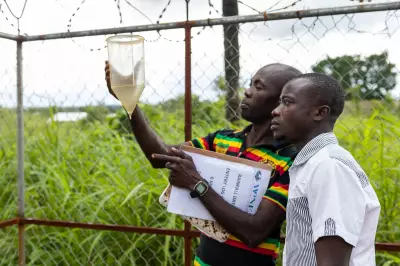
Traditionally, these bats have migrated each summer from Mexico to destinations such as Big Bend National Park in Texas and Hidalgo County in New Mexico's Bootheel region. Recent DNA evidence has confirmed their presence in Arizona, and now, Bat Conservation International has announced findings from the fringes of New Mexico's Gila National Forest. Swabbing agave plants and hummingbird feeders has provided proof that the bats are venturing farther north than ever before recorded.
Drought Impacts on Agave Flowering
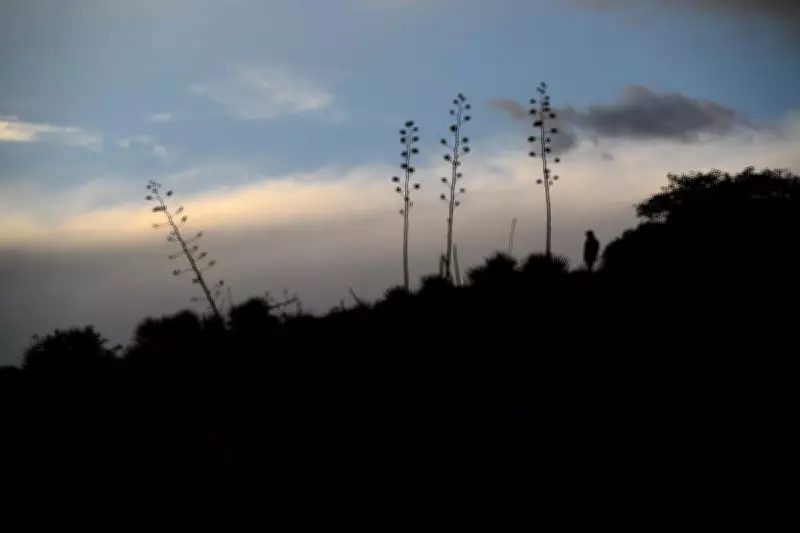
The Bootheel region of New Mexico has been severely affected by prolonged drought conditions, leading to a noticeable reduction in agave flowering. Kristen Lear, director of the Agave Restoration Initiative at Bat Conservation International, explained that this environmental stress is compelling the bats to seek healthier agave food sources elsewhere. "We think these bats are trying to look for healthy agave food sources elsewhere," Lear stated. "So that's kind of driving them farther north, where the agaves are a little bit less hit by drought."

This extended travel adds significant challenges for the bats, as journeying an additional 30 miles can require an extra night of flight. To support their migration, researchers emphasise the importance of restoring desert grasslands along their route. This restoration is crucial for ensuring the future survival of these winged mammals and maintaining the genetic diversity of agave plants.
Conservation Challenges and Efforts
Listed as an endangered species since 1988, the Mexican long-nosed bat population is estimated to be fewer than 10,000 individuals. Both the bats and the agave plants they pollinate are slow breeders, complicating conservation efforts. The bats typically produce only one pup per year, while agaves can take a decade or more to flower and set seeds, relying on bats for pollination.
"So you're not going to get huge population rebounds quickly. You have to really work to maintain those levels," Lear noted. In response, researchers and volunteers have initiated extensive planting projects as part of the "nectar corridor" initiative. Since 2018, approximately 185,000 agaves have been planted in Mexico and the United States. Seeds are collected to propagate more plants, with agaves often requiring several years of nursery care before being transplanted into high-priority areas.
Collaborative Research and Future Directions
Rachel Burke, BCI's agave restoration coordinator for the U.S., highlighted that the discovery in New Mexico underscores the value of ongoing research to better understand bat movements. Detecting the presence of these bats helps target planting and restoration efforts more effectively. Over 100 partners, including private ranchers, local communities, and government agencies, are collaborating with Bat Conservation International to continue DNA sampling and survey agave patches.
This collaborative approach aims to secure the nectar corridor, ensuring that Mexican long-nosed bats have access to vital food sources throughout their extended migration routes, thereby supporting their conservation in the face of environmental challenges.