
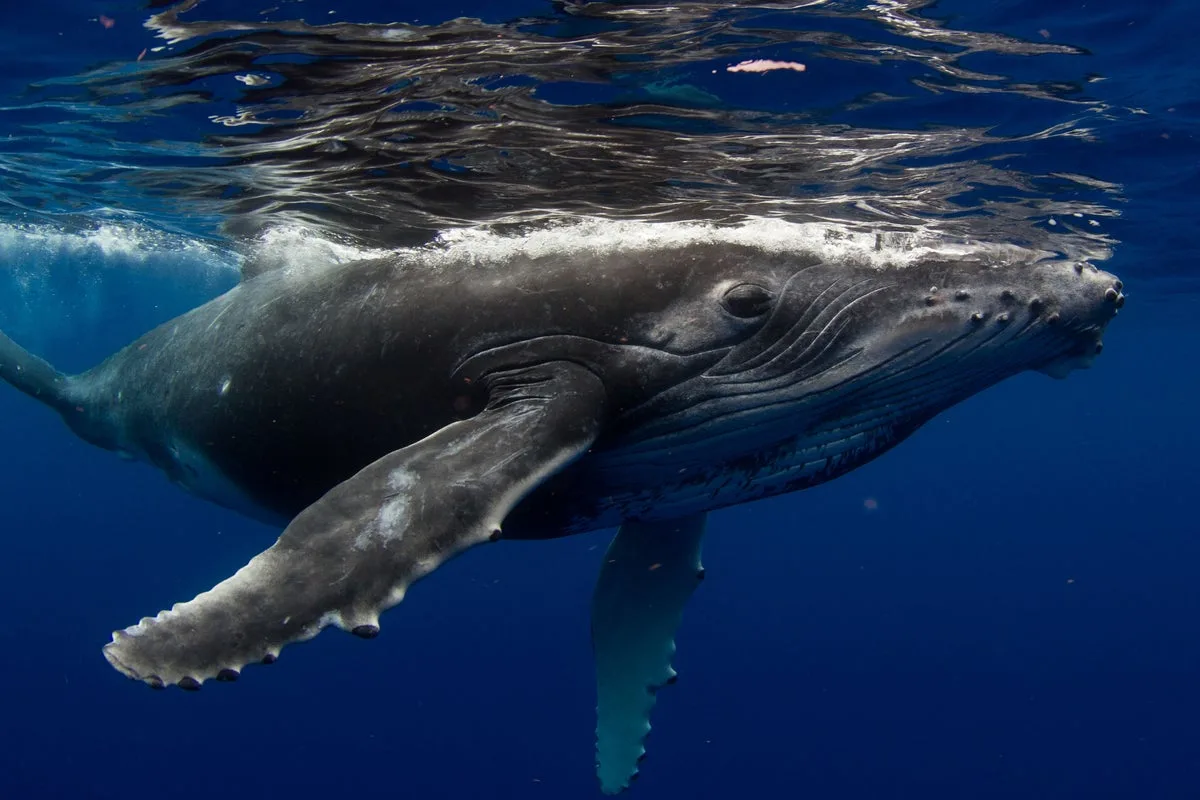
Scientists have discovered a deadly virus in the breath of whales using drones, a breakthrough that could help monitor threats to marine mammals in rapidly changing Arctic ecosystems.
The virus, known as cetacean morbillivirus, was detected in respiratory droplets, or “blows”, collected by drones hovering over whales’ blowholes. The highly infectious pathogen has been linked to mass strandings of whales and dolphins worldwide and can jump between species, causing severe damage to respiratory, neurological and immune systems.
Researchers from King’s College London and The Royal (Dick) School of Veterinary Studies in Edinburgh used drones equipped with sterile Petri dishes to capture samples from humpback, sperm and fin whales in the North Atlantic between 2016 and 2025. The virus was found in a humpback whale group in northern Norway, a sperm whale showing poor health, and a stranded pilot whale.
“Drone blow sampling is a gamechanger. It allows us to monitor pathogens in live whales without stress or harm, providing critical insights into diseases in rapidly changing Arctic ecosystems,” said co-author Professor Terry Dawson from King’s College London.
The study also detected herpes viruses in humpback whales around Norway, Iceland and Cape Verde, but no avian influenza or Brucella bacteria. Lead author Helena Costa of Nord University said: “Going forward, the priority is to continue using these methods for long-term surveillance, so we can understand how multiple emerging stressors will shape whale health in the coming years.”




