
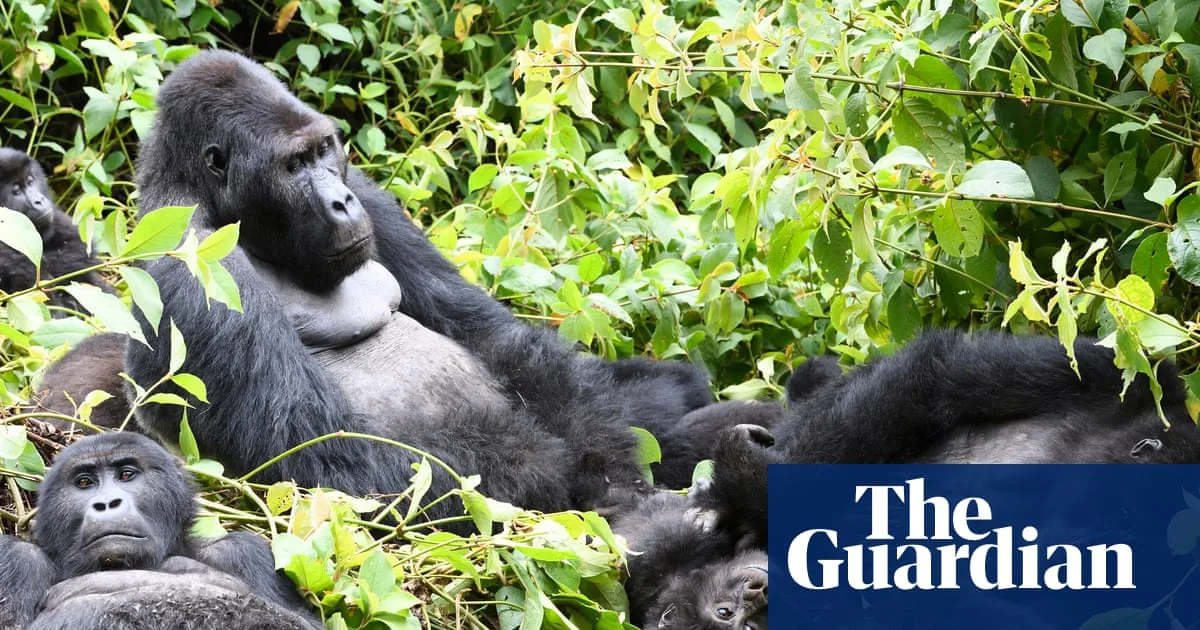
The Democratic Republic of the Congo (DRC) has launched a licensing round for 52 oil and gas blocks, covering more than half the country, including critical gorilla habitats and pristine forests. The move threatens a flagship conservation initiative and could affect an estimated 39 million people, according to a new report by Earth Insight.
The blocks span 124 million hectares, with 64% being intact tropical forest. Experts describe the region as the 'world's worst place to prospect for oil' due to its vast carbon stores and precious wildlife, including endangered lowland gorillas and bonobos. The Cuvette Centrale, the world's largest tropical peatland complex, storing about 30 billion metric tonnes of carbon, is also included.
Earlier this year, the DRC announced the Kivu-Kinshasa Green Corridor conservation initiative, but 72% of that area now overlaps with planned oil blocks. The government previously cancelled a similar tender in 2022 citing lack of competition, but has revived the process. Professor Simon Lewis of University College London noted that no credible company would bid due to low commercial viability and high costs.
International efforts to protect DRC's forests include a $500 million deal signed at COP26, but only $150 million has been transferred, far behind the expected $400 million. A source described the lack of funding as a 'collective failure', pushing DRC towards oil deals. Local campaigners condemned the auction, with Pascal Mirindi of Notre Terre Sans Pétrole questioning the logic of promoting conservation while selling off forests.
Earth Insight's report calls on the DRC government and international partners to cancel the 2025 oil tender and invest in development models that respect Indigenous and community rights. 'Oil and gas development in these fragile ecosystems would have devastating impacts on biodiversity, communities, land rights and the global fight against climate change,' said Anna Bebbington, research manager at Earth Insight.




