In a groundbreaking discovery with serious implications for ocean health, a deadly virus has been detected in the breath of whales swimming in the Arctic Circle. The finding, made public on Friday 19 December 2025, raises significant concerns about potential outbreaks among vulnerable marine mammal populations.
Drones Capture Pathogens in Whale 'Blows'
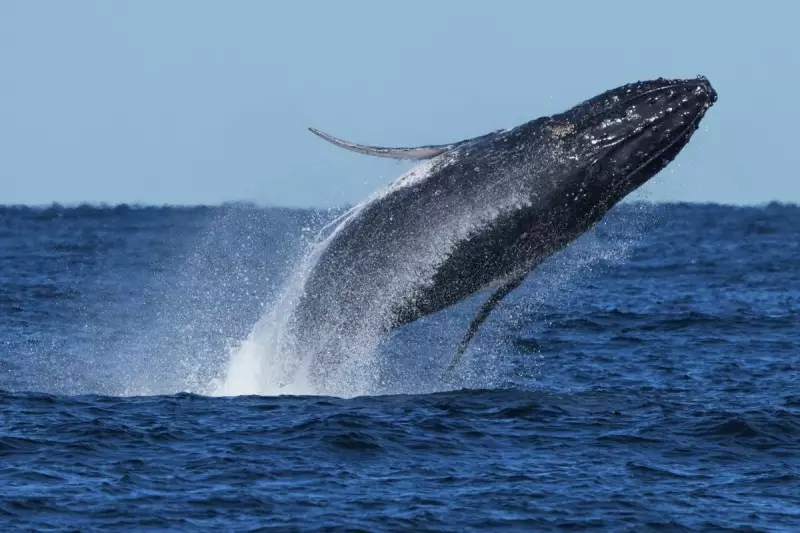
Researchers utilised innovative drone technology to collect samples from the exhaled droplets, known as 'blows', of whales in the northeast Atlantic. This non-invasive method allowed them to study live humpback, sperm, and fin whales without causing them distress. The analysis revealed the presence of the highly infectious cetacean morbillivirus in the samples.
The virus was confirmed in a group of humpback whales, a solitary sperm whale, and a stranded pilot whale. Cetacean morbillivirus is known to cause severe damage to the respiratory and neurological systems and cripple the immune function of infected animals. It has been linked to previous mass mortality events in marine mammal communities worldwide.

A Cross-Species Threat in a Changing Climate
A particularly alarming aspect of this discovery is the virus's ability to jump between different whale and dolphin species. This trait poses a grave threat to the overall health of marine ecosystems, especially in regions like the Arctic where climate change is altering habitats. Scientists are especially worried about the risk of rapid transmission during dense feeding aggregations, where many animals come into close contact.
The lead scientist on the project, Rebecca Whittaker, highlighted the urgency of the situation. The research underscores the vulnerability of these majestic creatures to disease, particularly as environmental pressures mount.
A New Era of Ocean Health Surveillance
Beyond the immediate viral threat, this research pioneers a powerful new tool for conservation. The success of the drone-based sampling method opens the door to long-term, systematic surveillance of pathogens in wild whale populations. This proactive approach could allow scientists to detect and monitor health threats to ocean life before they escalate into widespread epidemics.
The team hopes this technology will become a standard method for safeguarding marine mammals, providing early warning signals from the breath of whales themselves. This marks a significant step forward in protecting some of the ocean's most iconic inhabitants from invisible dangers.