Innovative collar cameras are providing unprecedented insights into the daily lives of one of the world's most remote grizzly bear populations on Alaska's rugged and desolate North Slope. Researchers from Washington State University and the Alaska Department of Fish and Game have equipped twelve of the approximately 200 bears roaming this frigid, treeless terrain near the Arctic Ocean with these specialised cameras.
A Bear's-Eye View of Survival
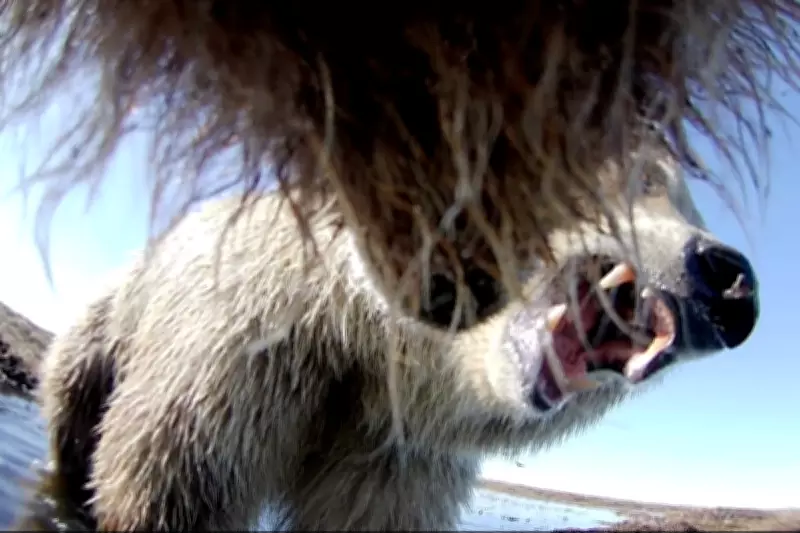
The cameras, often partially obscured by the bears' whiskery muzzles, capture remarkable footage showing the animals playing, fighting with companions, gnawing on caribou carcasses, consuming berries, napping on beaches, and swimming in ponds while searching for fish. This technology offers researchers a rare glimpse into how these bears survive in one of Earth's harshest environments.
The Critical Feeding Window
"These bears hibernate for approximately eight months each year," explained Washington State doctoral student Ellery Vincent, who leads the project alongside state wildlife biologist Jordan Pruszenski. "They have an extremely short window to obtain sufficient food resources to accumulate enough fat to survive that extended dormant period."

The research aims to understand the broad scale of how these Arctic grizzlies obtain their food throughout the year and what specific dietary choices they make to ensure survival. Among particular interests is determining to what extent the bears hunt musk oxen, a population of about 300 shaggy ice-age survivors on the North Slope that is currently not flourishing.
Seasonal Dietary Patterns Revealed
Footage from the project's first year reveals distinct seasonal feeding patterns. After emerging from hibernation, the bears consume carcasses of caribou or musk ox that perished during winter. They then shift to attacking caribou calves before transitioning to vegetation as the tundra greens up, particularly favouring blueberries and soapberries (also called buffaloberries).
Unlike salmon-eating bears that can reach up to 1,000 pounds (454 kilograms), these Arctic grizzlies remain relatively small, typically reaching maximum weights around 350 pounds (159 kilograms) according to Vincent.
Careful Research Methodology
To initially fit the bears with collar cameras, researchers tracked them through snow by helicopter last May. Pruszenski fired tranquiliser darts from the air while Vincent monitored injection times and helped determine when each bear was safe to approach on the ground.
"It is not difficult, but there is considerable thought that goes into ensuring the collar is adjusted properly," Vincent noted. The collars were fitted loosely enough that bears could grow into them as they gained weight, but securely enough to withstand their rough-and-tumble lifestyles without falling off.
Researchers darted the bears again in August to replace collars and in September to download data, simultaneously measuring weight gain and body fat percentages. After removing the camera collars, the wildlife department replaced them with GPS collars to continue monitoring.
Conservation Applications
The GPS data could prove invaluable for determining how oil-field development impacts bear populations and identifying where they den during winter. This information helps oil companies avoid these critical areas when constructing winter roads between drill sites.
Short Clips, Significant Insights
The cameras can record up to seventeen hours of video, capturing short clips of four to six seconds every ten minutes during spring and summer. In autumn, due to encroaching darkness, they recorded clips every five minutes during daylight hours.
Despite their brevity, these clips provide extraordinary perspectives on how bears thrive across the desolate North Slope, an area covering approximately 94,000 square miles (243,459 square kilometres) with only about 11,000 human residents. Nearly half these residents live in Utqiagvik, the nation's most northern community formerly known as Barrow.
"One advantage with these bears is that when they forage on particular foods, they tend to continue that activity for extended periods," Vincent observed. "These bears spend essentially their entire days eating, so our chances of actually observing their behaviours are remarkably high."

Unexpected Wildlife Encounters
The cameras even captured a peaceful encounter between a bear and a wolf pack shortly after the bear emerged from hibernation in May. Since the bear wasn't eating at that moment, there was no conflict over food resources. No wolves appeared in subsequent clips, indicating a peaceful exchange where both animals "decided it wasn't worth it, so they just looked at each other, then moved on," according to Vincent.
The study will continue for two more years, with plans to equip an additional twenty-four bears with these innovative collar cameras, further expanding our understanding of these remarkable Arctic survivors.