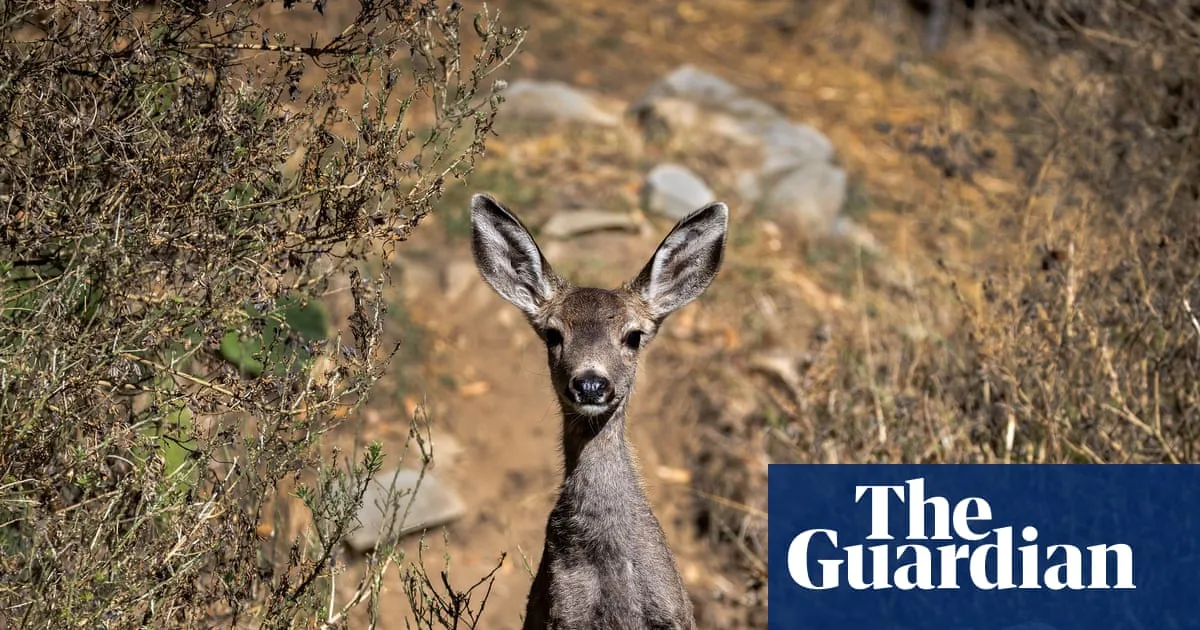
California wildlife authorities have approved a contentious plan to eradicate the non-native mule deer population on Santa Catalina Island, off the coast of Los Angeles. The decision intensifies a long-running dispute between the Catalina Island Conservancy, which manages 88% of the island, and residents who view the deer as part of the island's heritage.
The permit, issued by the California Department of Fish and Wildlife, allows the conservancy to eliminate the estimated 1,800 deer over five years. Methods include hired shooters using bait, night-time shooting outside the town of Avalon, and helicopters or drones to locate animals. Dogs may be used to track down survivors, while some deer could be captured, sterilised, and released with GPS collars.
Meat from culled deer will be donated to the California Condor Recovery Program or tribal partners. However, locals have condemned the methods as cruel, and an online petition opposing the cull has gathered nearly 23,000 signatures. Los Angeles County Supervisor Janice Hahn wrote to state officials, saying the plan disregards the deep affection many residents and visitors hold for the animals, which were introduced in the 1920s for hunting.
The conservancy argues that mule deer, which did not evolve with the island's flora, cause severe overgrazing. This has allowed invasive grasses to replace native chaparral, harming biodiversity and increasing fire risk. The group plans to replant native vegetation and support recovery of endangered species such as the Catalina Island fox and the Catalina Hutton's vireo.
Recreational hunting will continue on the island, though officials say it has not reduced deer numbers enough. The conservancy maintains that sustainable restoration is impossible while the deer remain.