
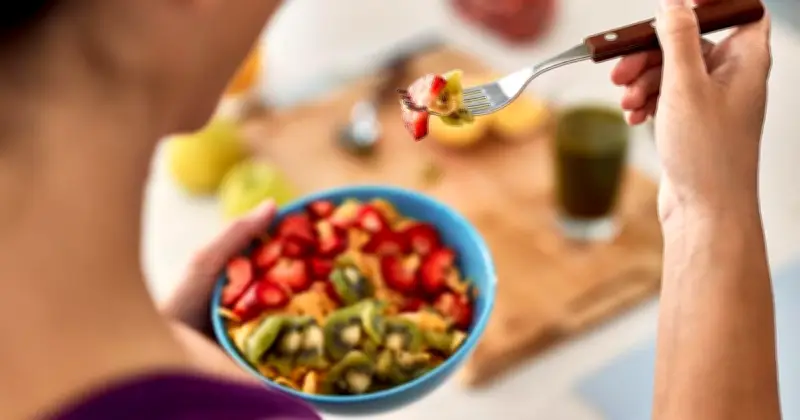
A recent study has highlighted that not all fruits and vegetables are equally beneficial for heart health. Selecting your five-a-day carefully can significantly reduce the risk of cardiovascular disease, according to researchers.
Flavanols: The Key to Heart Health
Experts recommend prioritizing produce rich in flavanols, natural compounds linked to lower heart disease risk. Top sources include blueberries, plums, blackberries, broad beans, and cherries. Study leader Dr. Javier Ottaviani from the University of California Davis stated: 'Flavanols can significantly reduce the risk of dying from cardiovascular disease, but only if you consume enough of them. Most people assume that eating plenty of fruit and vegetables covers this, but what this research shows is that the specific choices you make matter far more than the total amount.'
Practical Tips for Increasing Flavanols
Dr. Ottaviani added: 'Including a handful of blackberries, a whole apple, or having a cup of green tea alongside your meal could make a real difference to how much of these beneficial compounds you actually consume and absorb from the diet.'
Study Details and Findings
The study, involving scientists from the University of Reading and Harvard Medical School, tracked diets of over 30,000 people across the UK and US. Previous research suggests a daily intake of 500mg of flavanols is associated with a significantly reduced risk of dying from heart disease. Here is the flavanol content in common fruits and vegetables:
- Plums (500g, roughly one punnet): approximately 450mg of flavanols
- Cranberries (250g, roughly one punnet): approximately 300mg of flavanols
- Blackberries (200g, roughly one punnet): approximately 250mg of flavanols
- Green tea (one 250ml cup): approximately 200mg of flavanols
- Broad beans/fava beans (80g, a small handful): approximately 140mg of flavanols
- Cherries (400g, roughly one punnet): approximately 130mg of flavanols
- Apples with skin (200g, one medium apple): approximately 110mg of flavanols
- Strawberries (200g, roughly one punnet): approximately 90mg of flavanols
- Blueberries (150g, roughly one punnet): approximately 80mg of flavanols
- Pinto beans (40g, two tablespoons dry): approximately 70mg of flavanols
Implications for Dietary Guidelines
Researchers suggest the findings raise questions about whether dietary recommendations should be more specific. Professor Gunter Kuhnle of the University of Reading commented: 'Five-a-day is the right message, but we may need to think more carefully about which five. Different fruits and vegetables offer very different nutritional benefits beyond vitamins and minerals, and as our understanding of these compounds grows, there is a real opportunity to make dietary guidance more specific and more effective. This research is a step towards understanding what that might look like in practice.'
The findings were published in the journal Food and Function.




