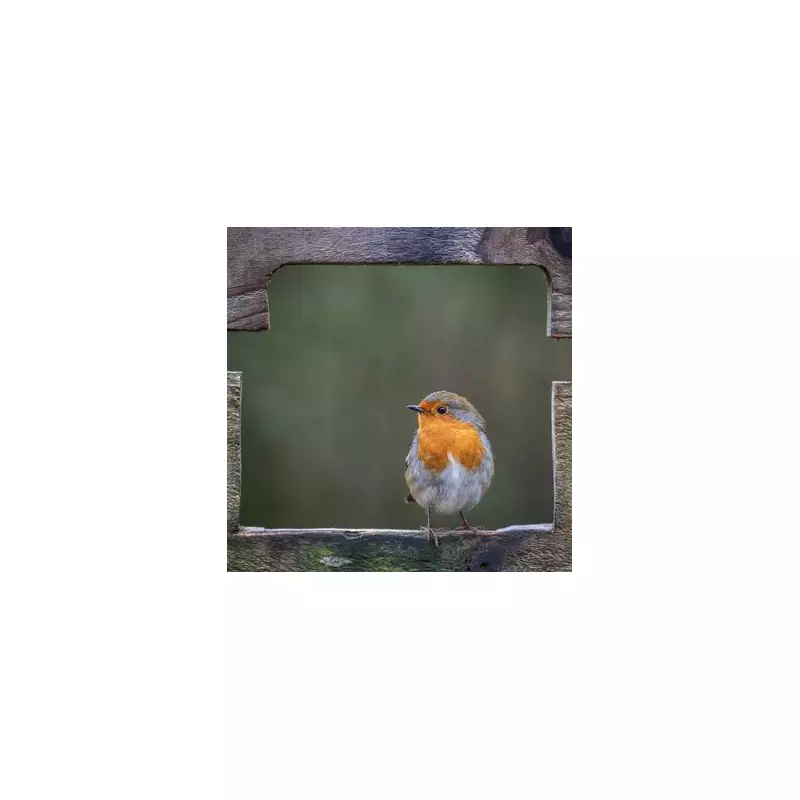
As natural food sources dwindle in the colder months, Britain's beloved robins rely more than ever on the support provided in our gardens. A leading gardening specialist has now pinpointed two specific food items that are guaranteed to entice these iconic red-breasted visitors back to your outdoor space time and again.
The Robin's Winter Menu: What to Serve
James Ewens, a gardening expert at Green Feathers, emphasises that understanding the dietary needs of the European robin is crucial for attracting them. These birds are primarily insectivores, but their usual prey becomes scarce when temperatures plummet. To bridge this gap, Ewens recommends offering two highly effective foods.
Firstly, suet balls are described as a "firm favourite". Their high-fat, high-energy content is not just appealing but physiologically essential, helping robins maintain their energy reserves to survive harsh winter conditions.

Secondly, mealworms and earthworms are highlighted as an excellent starting point. The expert promises that providing these will encourage robins to "keep coming back" for more. For additional nutrition, apples, pears, and dried fruit can offer valuable fibre and vitamins like A, E, and C, supporting everything from digestion to healthy feathers and a strong immune system.
Beyond Food: Creating a Robin-Friendly Habitat
While food is a major draw, Ewens advises that considering a robin's complete needs—including drink, shelter, and nesting opportunities—is key to making your garden a permanent haven.
Providing a consistent source of fresh water is non-negotiable. Robins need it for both drinking and bathing. A shallow bird bath or dish, positioned near shrubs for safety from predators, should be kept unfrozen throughout winter. Bathing keeps their feathers clean, parasite-free, and more pliable for efficient flight.
Planting dense shrubs, hedges, and climbing plants like the serviceberry tree (also known as juneberry or shadbush) offers ideal refuge from weather and predators. These plants also provide a natural larder of soft berries in summer, perfect for feeding young.
Strategic Positioning for Bird Boxes
For those hoping to host nesting robins, James Ewens offers specific advice on bird box placement, cautioning against choosing a spot purely for aesthetics. Robins prefer a sheltered, quiet location with natural cover, such as shrubbery.
The box should be open-fronted and positioned one to two metres above ground. Facing it between north and east is recommended to protect it from strong winds and the intense heat of the midday sun, creating a cool, dry, and protected environment that robins find irresistible.
By implementing these expert tips—focusing on the two key foods and creating a supportive habitat—you can transform your garden into a vital sanctuary for the UK's favourite feathered visitor, ensuring a splash of cheerful colour all winter long.